Munich: Europe’s defence ministers have decided that their slow, consortium-heavy way of funding weapons research is no match for a war economy, and they are betting a small new fund can fix it. On 3 June the Council agreed its negotiating mandate for AGILE, a proposed programme worth around 115 million euros designed to bankroll fast, high-risk defence innovation of the kind that usually emerges from startups and laboratories rather than established primes. The mandate clears the way for talks with the European Parliament, the last hurdle before the money can flow.
AGILE is deliberately the nimble cousin in a much larger family. The flagship European Defence Industry Programme commits 1.5 billion euros in grants between 2025 and 2027, with its biggest slice, the Industrial Reinforcement Actions, channelling hundreds of millions into ramping up production of ammunition, energetic materials and key electronic components; its first call for energetic components closes in mid-June. Above that sits SAFE, the Security Action for Europe instrument adopted in 2025, which can lend up to 150 billion euros to governments that want to buy together. AGILE’s job is to fill the gap those big vehicles leave: speed.
The logic is that Europe’s defence establishment is good at scaling things it already knows how to build and bad at backing the unproven. Drone swarms, electronic warfare, counter-drone systems and software-defined platforms have moved faster on the battlefields of the past three years than any multi-year grant cycle can track. A leaner fund with quicker decisions, ministers argue, can put money into a promising idea while it still matters, then hand successful projects to the larger programmes to industrialise.
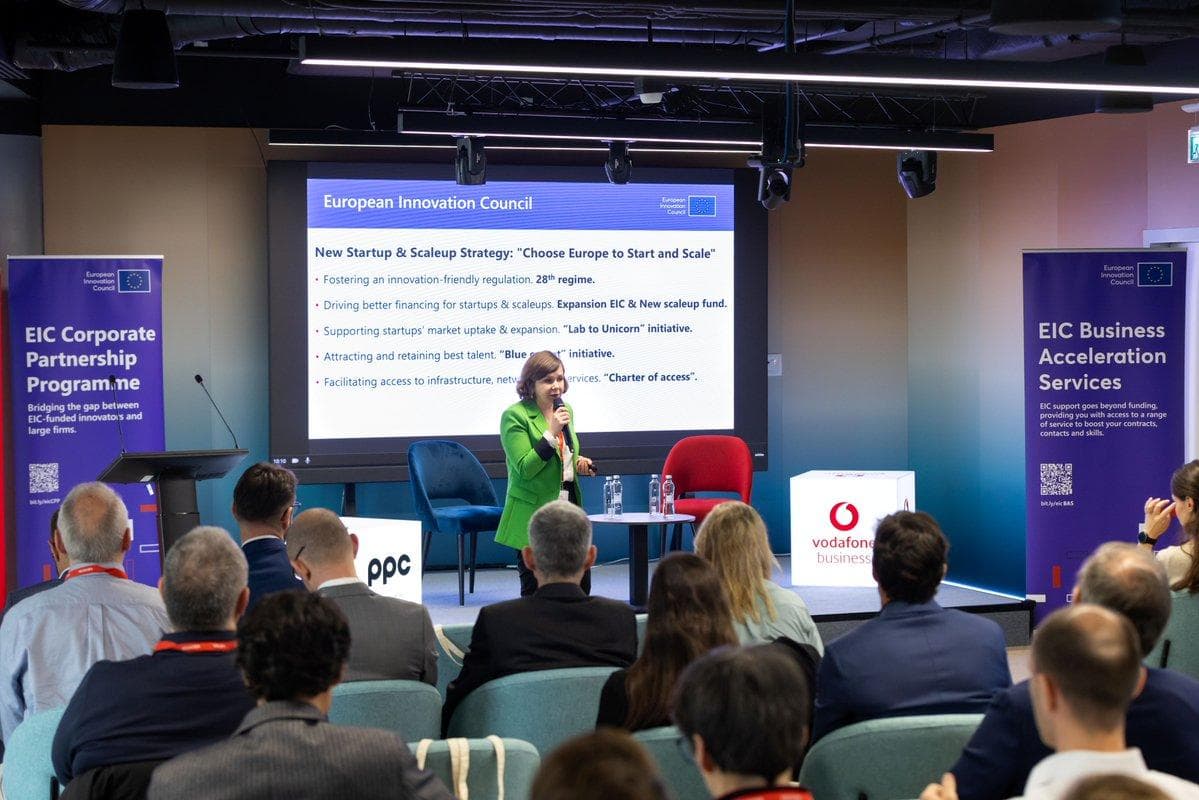
The stakes are felt most acutely by the continent’s defence-technology startups, which have complained for years that European capital is timid and European procurement glacial compared with the United States. For them, a dedicated, fast-moving pot of money is a signal as much as a sum. National champions, by contrast, will watch to ensure the new channel complements rather than bypasses them.
The obvious criticism writes itself. At 115 million euros, AGILE is a rounding error beside the hundreds of billions Europe says it must spend to rearm, and sceptics question whether yet another instrument adds coherence or simply thickens an already crowded alphabet of programmes. There is also the perennial worry that money will fragment across national priorities rather than build genuinely shared capabilities, blunting the economies of scale that joint funding is supposed to deliver.
The next move belongs to the negotiators. Parliament and Council must reconcile their positions in trilogue before AGILE becomes law, and the details of who can apply, how fast decisions are taken and how the fund hands winners up to EDIP will determine whether it lives up to its name. Ministers have set the ambition; the test will be whether a system built for caution can learn to move quickly.