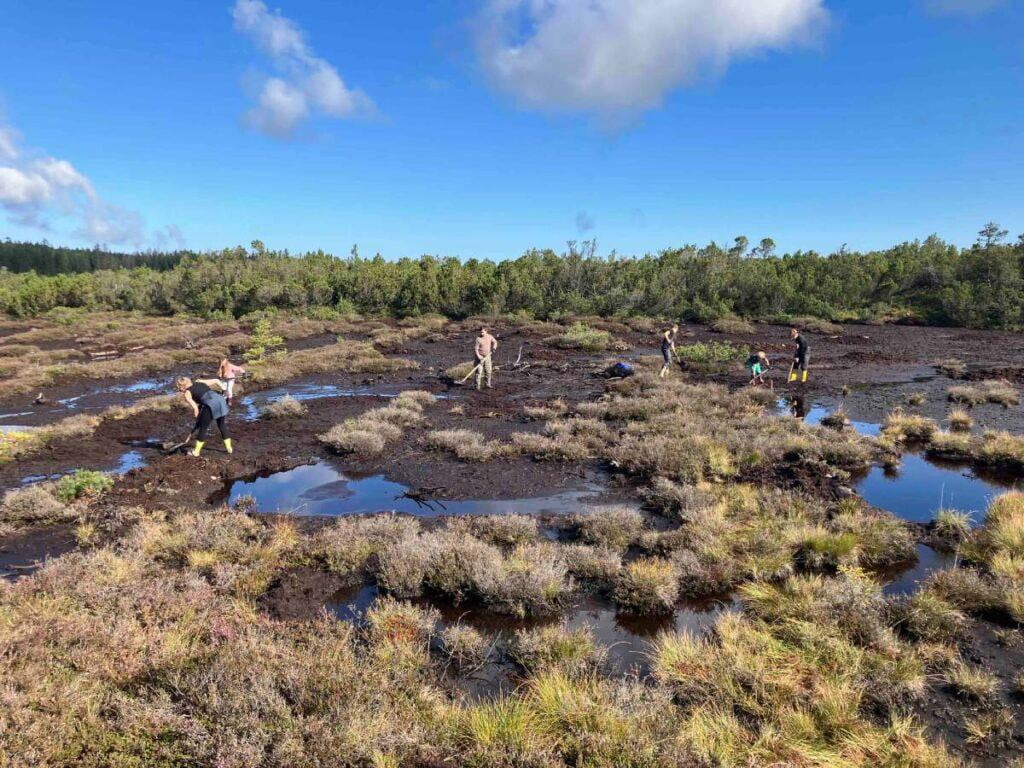
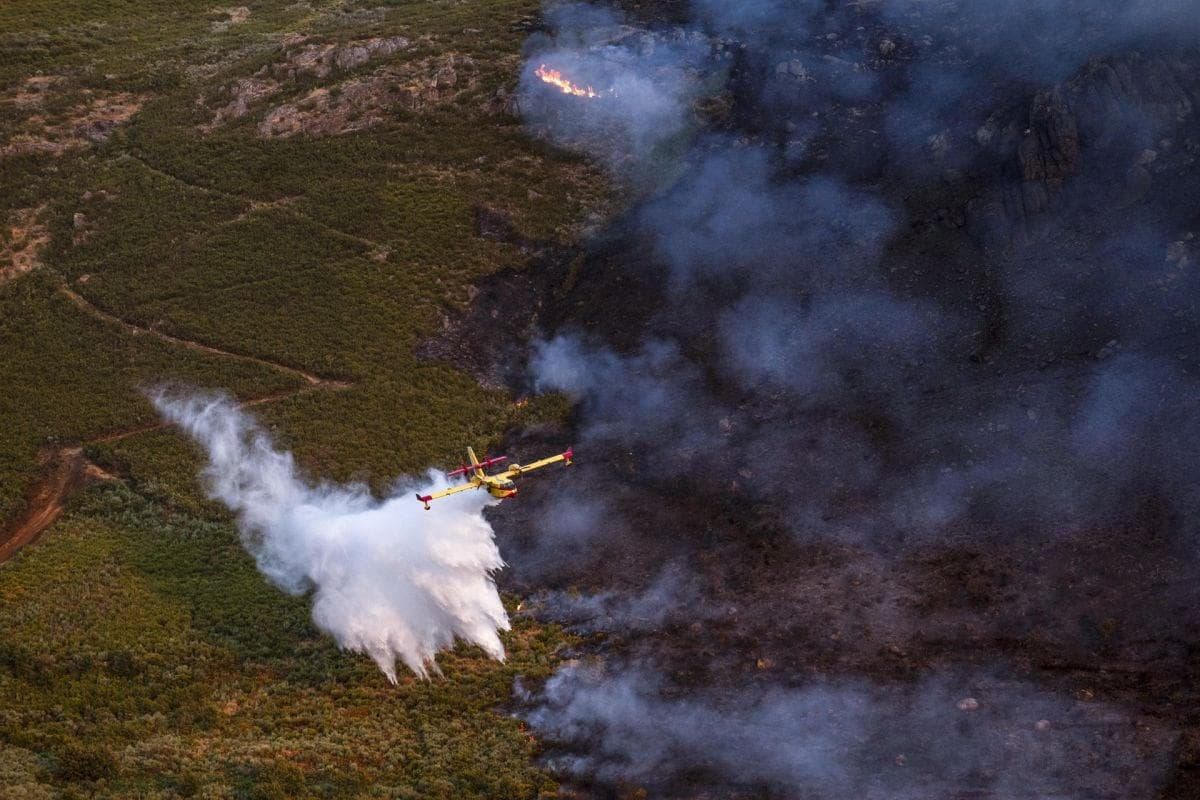
Évora: The deadline that will test Europe’s commitment to its own nature law is no longer comfortably distant. By the first of September, every member state must hand the European Commission a draft national restoration plan setting out, ecosystem by ecosystem, how it intends to bring degraded land and water back to good health. The plans are the operational heart of the Nature Restoration Regulation, the contested law that entered into force in the summer of 2024, and their quality will determine whether its targets translate into restored peatlands and rivers or remain words in an official journal.
The regulation’s headline obligations are sweeping. Member states must put restoration measures in place across at least a fifth of the Union’s land and sea by 2030, and ultimately across every ecosystem judged to need them by mid-century. Forests, farmland, wetlands, coasts and urban green space all fall within its scope, and the law pairs the area targets with biodiversity indicators meant to stop governments from declaring success on paper while nature continues to decline.
The draft plans due this autumn are where ambition meets administration. Each must identify priorities, specify concrete measures, attach funding and lay out who is responsible for delivery, all the way to 2050. A final version follows in 2027. Early assessments suggest the member states are pulling apart rather than together. A cluster of frontrunners, among them Czechia, Germany, Finland, France, Portugal and Spain, are leaning more heavily on scientific evidence to shape their plans, while others treat the exercise as a compliance hurdle to be cleared with minimal disturbance to existing land use.
Portugal has drawn particular notice for treating its plan not as a box-ticking submission but as a strategic national document spanning a broad range of habitats, an approach that conservation groups hold up as the template the law intended. The country’s mix of Atlantic forest, Mediterranean scrub and long coastline makes it a useful proving ground for whether restoration can be planned coherently across very different landscapes rather than parcelled out field by field.
The Commission has tried to smooth the path. Together with the European Environment Agency it has issued a uniform format for the plans, along with planning tools and guidance meant to spare overstretched environment ministries from inventing their own methods. The standardisation also serves the Commission: comparable plans are easier to assess, and easier to challenge if they fall short of what the regulation demands.
None of this resolves the underlying tension that has dogged the law since its bruising passage through the legislature. Farmers’ organisations and some governments fear that restoration targets will collide with food production and land rights, and that fear has not evaporated simply because the deadline has arrived. The draft plans will expose, in concrete detail, how each capital proposes to reconcile those competing claims, whether by funding voluntary measures, redrawing land use or quietly setting the least demanding targets the text allows. September will not settle the argument, but it will, for the first time, force every member state to put its intentions on the record.