August 9, 2026
LATEST
New EU Gas Market Rules Take Effect With Consumer SafeguardsDeforestation Regulation Holds Its December Deadline Despite CutsDigital Omnibus Delays Europe’s High-Risk AI Deadline to 2027Europe’s Schools Confront a Widening Basic Skills GapRule of Law Report Finds Progress but Trust Still LagsIRIS2 Gains 66 Satellites as Brussels Signs the Rollout DealNature Restoration Plans Come Due as Member States Race a DeadlineECB Rates Hold at 2.25 Percent as Frankfurt Waits on the DataEU Budget Talks Turn to Cohesion as Ireland Takes OverWildfire Response Stretches Europe’s Emergency Fleet ThinCan Europe’s Quantum Plan Match Its Big Ambitions?Armenia Edges West as Moscow’s Grip Slips AwayEurope Inherits the World’s Aid Bill It Cannot Fully PayAir Passenger Rights Get Their First Overhaul in Two DecadesErasmus Opens a 5 Billion Euro Round for Skills and MobilityCeuta Crisis Pushes the EU Toward Faster Migrant ReturnsBulky Parcels Face a Packaging Crackdown From August 12Can Europe Build Its Drone Wall Before 2030 Arrives?Indonesia’s Trade Deal With Europe Nears Its Final SignatureEurope Leans on Beijing to Keep Climate Talks Alive Before AntalyaNew EU Gas Market Rules Take Effect With Consumer SafeguardsDeforestation Regulation Holds Its December Deadline Despite CutsDigital Omnibus Delays Europe’s High-Risk AI Deadline to 2027Europe’s Schools Confront a Widening Basic Skills GapRule of Law Report Finds Progress but Trust Still LagsIRIS2 Gains 66 Satellites as Brussels Signs the Rollout DealNature Restoration Plans Come Due as Member States Race a DeadlineECB Rates Hold at 2.25 Percent as Frankfurt Waits on the DataEU Budget Talks Turn to Cohesion as Ireland Takes OverWildfire Response Stretches Europe’s Emergency Fleet ThinCan Europe’s Quantum Plan Match Its Big Ambitions?Armenia Edges West as Moscow’s Grip Slips AwayEurope Inherits the World’s Aid Bill It Cannot Fully PayAir Passenger Rights Get Their First Overhaul in Two DecadesErasmus Opens a 5 Billion Euro Round for Skills and MobilityCeuta Crisis Pushes the EU Toward Faster Migrant ReturnsBulky Parcels Face a Packaging Crackdown From August 12Can Europe Build Its Drone Wall Before 2030 Arrives?Indonesia’s Trade Deal With Europe Nears Its Final SignatureEurope Leans on Beijing to Keep Climate Talks Alive Before Antalya
August 9, 2026
LATEST
New EU Gas Market Rules Take Effect With Consumer SafeguardsDeforestation Regulation Holds Its December Deadline Despite CutsDigital Omnibus Delays Europe’s High-Risk AI Deadline to 2027Europe’s Schools Confront a Widening Basic Skills GapRule of Law Report Finds Progress but Trust Still LagsIRIS2 Gains 66 Satellites as Brussels Signs the Rollout DealNature Restoration Plans Come Due as Member States Race a DeadlineECB Rates Hold at 2.25 Percent as Frankfurt Waits on the DataEU Budget Talks Turn to Cohesion as Ireland Takes OverWildfire Response Stretches Europe’s Emergency Fleet ThinCan Europe’s Quantum Plan Match Its Big Ambitions?Armenia Edges West as Moscow’s Grip Slips AwayEurope Inherits the World’s Aid Bill It Cannot Fully PayAir Passenger Rights Get Their First Overhaul in Two DecadesErasmus Opens a 5 Billion Euro Round for Skills and MobilityCeuta Crisis Pushes the EU Toward Faster Migrant ReturnsBulky Parcels Face a Packaging Crackdown From August 12Can Europe Build Its Drone Wall Before 2030 Arrives?Indonesia’s Trade Deal With Europe Nears Its Final SignatureEurope Leans on Beijing to Keep Climate Talks Alive Before AntalyaNew EU Gas Market Rules Take Effect With Consumer SafeguardsDeforestation Regulation Holds Its December Deadline Despite CutsDigital Omnibus Delays Europe’s High-Risk AI Deadline to 2027Europe’s Schools Confront a Widening Basic Skills GapRule of Law Report Finds Progress but Trust Still LagsIRIS2 Gains 66 Satellites as Brussels Signs the Rollout DealNature Restoration Plans Come Due as Member States Race a DeadlineECB Rates Hold at 2.25 Percent as Frankfurt Waits on the DataEU Budget Talks Turn to Cohesion as Ireland Takes OverWildfire Response Stretches Europe’s Emergency Fleet ThinCan Europe’s Quantum Plan Match Its Big Ambitions?Armenia Edges West as Moscow’s Grip Slips AwayEurope Inherits the World’s Aid Bill It Cannot Fully PayAir Passenger Rights Get Their First Overhaul in Two DecadesErasmus Opens a 5 Billion Euro Round for Skills and MobilityCeuta Crisis Pushes the EU Toward Faster Migrant ReturnsBulky Parcels Face a Packaging Crackdown From August 12Can Europe Build Its Drone Wall Before 2030 Arrives?Indonesia’s Trade Deal With Europe Nears Its Final SignatureEurope Leans on Beijing to Keep Climate Talks Alive Before Antalya

Nature Becomes An Asset Class As Europe Courts Green Investors

Ghent: For years protecting Europe’s ecosystems has been treated as a cost. This month the European Commission tried to recast it as an investment, using EU Green Week to argue that restoring nature is not a drain on the economy but one of the smartest places to put money.

Green Week 2026 opened on 3 June in Brussels under the banner of a nature-positive economy, drawing policymakers, scientists, farmers and financiers into a single question: how do you pay for the restoration of soils, wetlands and biodiversity at the scale the science demands. The centrepiece was Re:Invest in Nature, billed as the first initiative of its kind, which brought roughly seventy start-ups and entrepreneurs developing nature-based technologies face to face with potential backers including large financial houses such as JP Morgan and Rabobank.

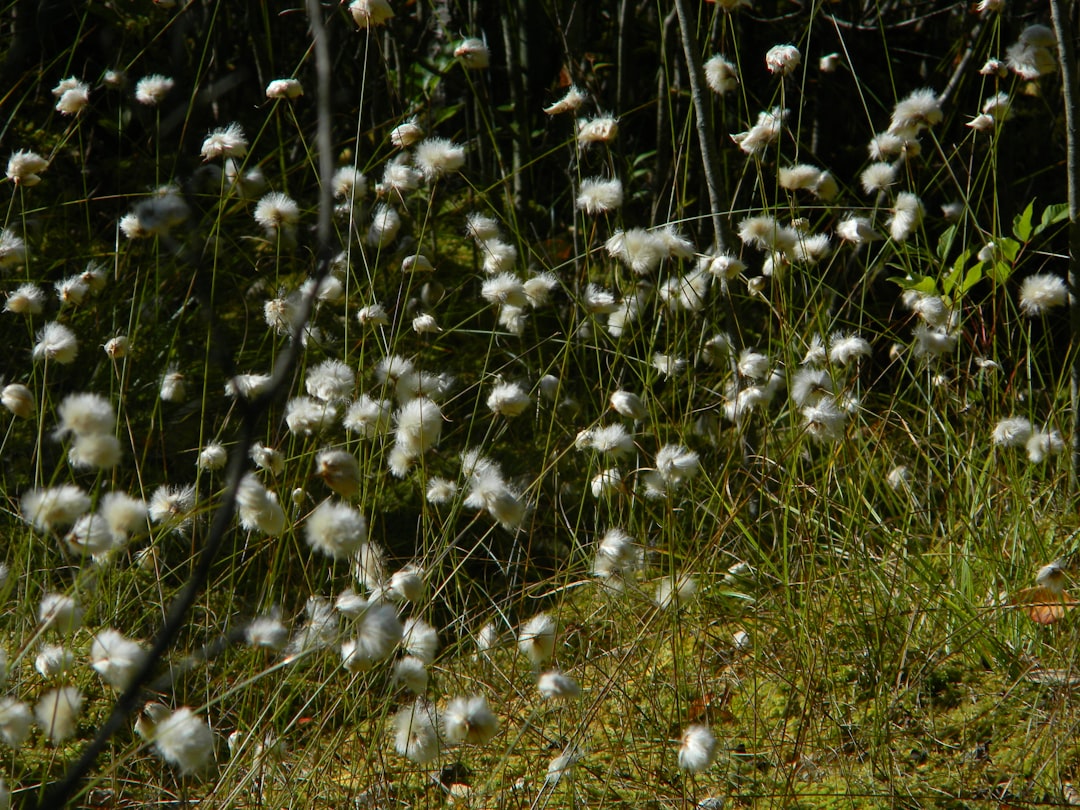
The more durable development is structural. The Commission set out, for the first time at European level, a framework to reward actions that restore ecosystems, improve soil health and strengthen biodiversity, built around the still-novel idea of nature credits. The logic mirrors carbon markets: if a landowner who rewets a peat bog or rebuilds a hedgerow can sell a verified, tradable credit for the benefit created, private money flows toward restoration without waiting on stretched public budgets. The Commission’s pitch to investors is confidence, transparency and credibility, the qualities any new market needs to be taken seriously.

The appetite is there, at least rhetorically. A June Eurobarometer survey found almost universal public concern about biodiversity loss, with 96 percent citing a moral duty to protect nature and 95 percent linking their own health and wellbeing to it. Translating that sentiment into capital is the harder task, and it is where nature credits are meant to come in.

The concept is not without sceptics, and the warnings come from the carbon market’s own troubled history. Critics worry that nature credits could repeat the failures of voluntary offset schemes, where overstated benefits, weak verification and double counting undermined trust and, in some cases, delivered little real environmental gain. Measuring biodiversity is harder than counting tonnes of carbon, and a credit that cannot be reliably verified is an invitation to greenwashing. There is also a deeper objection: that pricing nature risks reducing living systems to financial instruments and shifting responsibility from regulation onto markets that may not deliver.

The Commission’s answer is that the framework exists precisely to impose standards before the market scales, learning from carbon’s mistakes rather than repeating them. Whether the rules are strict enough to satisfy ecologists while remaining attractive to investors is the tension at the heart of the project.

Why it matters is the financing gap. Europe’s biodiversity targets for 2030 require sums that public money alone cannot cover, and progress so far has been judged too slow. If nature credits work, they could unlock a steady stream of private investment into restoration; if they fail, they could discredit the idea of market-based conservation for a generation. The next test is detail, the methodologies, verification standards and registries that will decide whether a nature credit means something or nothing. On that unglamorous groundwork rests the credibility of Europe’s newest green market.