August 9, 2026
LATEST
New EU Gas Market Rules Take Effect With Consumer SafeguardsDeforestation Regulation Holds Its December Deadline Despite CutsDigital Omnibus Delays Europe’s High-Risk AI Deadline to 2027Europe’s Schools Confront a Widening Basic Skills GapRule of Law Report Finds Progress but Trust Still LagsIRIS2 Gains 66 Satellites as Brussels Signs the Rollout DealNature Restoration Plans Come Due as Member States Race a DeadlineECB Rates Hold at 2.25 Percent as Frankfurt Waits on the DataEU Budget Talks Turn to Cohesion as Ireland Takes OverWildfire Response Stretches Europe’s Emergency Fleet ThinCan Europe’s Quantum Plan Match Its Big Ambitions?Armenia Edges West as Moscow’s Grip Slips AwayEurope Inherits the World’s Aid Bill It Cannot Fully PayAir Passenger Rights Get Their First Overhaul in Two DecadesErasmus Opens a 5 Billion Euro Round for Skills and MobilityCeuta Crisis Pushes the EU Toward Faster Migrant ReturnsBulky Parcels Face a Packaging Crackdown From August 12Can Europe Build Its Drone Wall Before 2030 Arrives?Indonesia’s Trade Deal With Europe Nears Its Final SignatureEurope Leans on Beijing to Keep Climate Talks Alive Before AntalyaNew EU Gas Market Rules Take Effect With Consumer SafeguardsDeforestation Regulation Holds Its December Deadline Despite CutsDigital Omnibus Delays Europe’s High-Risk AI Deadline to 2027Europe’s Schools Confront a Widening Basic Skills GapRule of Law Report Finds Progress but Trust Still LagsIRIS2 Gains 66 Satellites as Brussels Signs the Rollout DealNature Restoration Plans Come Due as Member States Race a DeadlineECB Rates Hold at 2.25 Percent as Frankfurt Waits on the DataEU Budget Talks Turn to Cohesion as Ireland Takes OverWildfire Response Stretches Europe’s Emergency Fleet ThinCan Europe’s Quantum Plan Match Its Big Ambitions?Armenia Edges West as Moscow’s Grip Slips AwayEurope Inherits the World’s Aid Bill It Cannot Fully PayAir Passenger Rights Get Their First Overhaul in Two DecadesErasmus Opens a 5 Billion Euro Round for Skills and MobilityCeuta Crisis Pushes the EU Toward Faster Migrant ReturnsBulky Parcels Face a Packaging Crackdown From August 12Can Europe Build Its Drone Wall Before 2030 Arrives?Indonesia’s Trade Deal With Europe Nears Its Final SignatureEurope Leans on Beijing to Keep Climate Talks Alive Before Antalya
August 9, 2026
LATEST
New EU Gas Market Rules Take Effect With Consumer SafeguardsDeforestation Regulation Holds Its December Deadline Despite CutsDigital Omnibus Delays Europe’s High-Risk AI Deadline to 2027Europe’s Schools Confront a Widening Basic Skills GapRule of Law Report Finds Progress but Trust Still LagsIRIS2 Gains 66 Satellites as Brussels Signs the Rollout DealNature Restoration Plans Come Due as Member States Race a DeadlineECB Rates Hold at 2.25 Percent as Frankfurt Waits on the DataEU Budget Talks Turn to Cohesion as Ireland Takes OverWildfire Response Stretches Europe’s Emergency Fleet ThinCan Europe’s Quantum Plan Match Its Big Ambitions?Armenia Edges West as Moscow’s Grip Slips AwayEurope Inherits the World’s Aid Bill It Cannot Fully PayAir Passenger Rights Get Their First Overhaul in Two DecadesErasmus Opens a 5 Billion Euro Round for Skills and MobilityCeuta Crisis Pushes the EU Toward Faster Migrant ReturnsBulky Parcels Face a Packaging Crackdown From August 12Can Europe Build Its Drone Wall Before 2030 Arrives?Indonesia’s Trade Deal With Europe Nears Its Final SignatureEurope Leans on Beijing to Keep Climate Talks Alive Before AntalyaNew EU Gas Market Rules Take Effect With Consumer SafeguardsDeforestation Regulation Holds Its December Deadline Despite CutsDigital Omnibus Delays Europe’s High-Risk AI Deadline to 2027Europe’s Schools Confront a Widening Basic Skills GapRule of Law Report Finds Progress but Trust Still LagsIRIS2 Gains 66 Satellites as Brussels Signs the Rollout DealNature Restoration Plans Come Due as Member States Race a DeadlineECB Rates Hold at 2.25 Percent as Frankfurt Waits on the DataEU Budget Talks Turn to Cohesion as Ireland Takes OverWildfire Response Stretches Europe’s Emergency Fleet ThinCan Europe’s Quantum Plan Match Its Big Ambitions?Armenia Edges West as Moscow’s Grip Slips AwayEurope Inherits the World’s Aid Bill It Cannot Fully PayAir Passenger Rights Get Their First Overhaul in Two DecadesErasmus Opens a 5 Billion Euro Round for Skills and MobilityCeuta Crisis Pushes the EU Toward Faster Migrant ReturnsBulky Parcels Face a Packaging Crackdown From August 12Can Europe Build Its Drone Wall Before 2030 Arrives?Indonesia’s Trade Deal With Europe Nears Its Final SignatureEurope Leans on Beijing to Keep Climate Talks Alive Before Antalya

Nature Becomes an Asset Class in the EU’s New Economic Pitch

Camargue: The European Union has spent decades arguing that nature deserves protection. This month it tried a different pitch entirely: that nature is infrastructure, and that letting it decay is a financial risk no economy can afford.

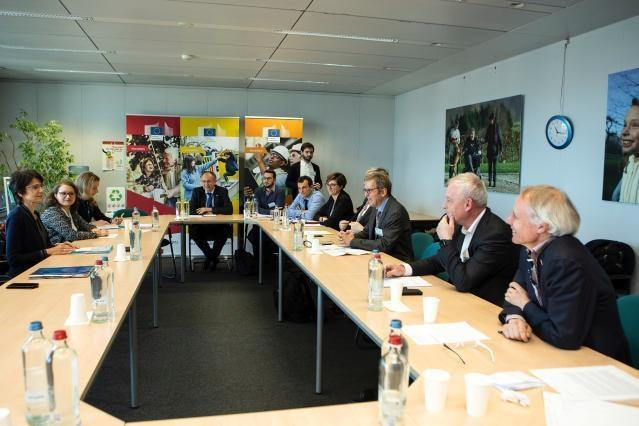
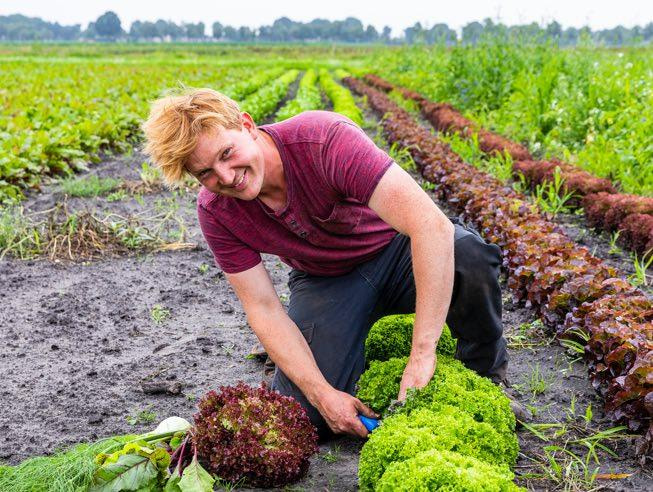
The shift was on full display at the bloc’s annual Green Week conference in early June, where policymakers, investors, researchers, farmers and businesses gathered around a single phrase – the nature-positive economy. The Commission used the event to reframe healthy ecosystems not as scenery to be cordoned off but as the foundation of food production, flood defence, public health, local jobs and long-term investment security. Wetlands that buffer storms, pollinators that underpin harvests and forests that store carbon were presented as assets with measurable value, the loss of which carries a measurable cost.

The rhetorical move is deliberate. Conservation framed purely as preservation has struggled to compete with growth and competitiveness in budget rooms, especially as the bloc sharpens its focus on industrial strength and security. By recasting biodiversity as economic infrastructure, the Commission hopes to pull private capital toward restoration and to make the case that resilience spending is investment, not charity. It dovetails with the water resilience strategy adopted last year, which treats scarcity and a broken water cycle as threats to the same economic base.

The evidence behind the framing is sobering. Europe’s own monitoring shows progress toward global biodiversity targets but warns that the pace is too slow to protect the natural systems that water, feed and shelter the continent. A mid-term review of the bloc’s zero-pollution plan, adopted earlier this year, found clean air, water and soil still well short of their targets. The message running through these documents is that degradation is already imposing costs – in lost crops, flood damage and health bills – whether or not anyone puts a line item against them.

Not everyone is persuaded that monetising nature is the right answer. Environmental groups warn that turning ecosystems into asset classes can invite financial engineering that protects balance sheets rather than habitats, and that offset markets have a patchy record. Some accuse officials of softening hard regulatory commitments while dressing up the retreat in investor-friendly language. Farmers, for their part, want assurances that restoration obligations come with support rather than fresh burdens.

The practical test will be money. A nature-positive economy needs financing mechanisms, credible measurement and rules that reward restoration without rewarding greenwash, none of which were settled in a single conference. What changed in June was the argument, not the funding. Whether the new economic framing survives contact with the next budget fight – and whether it pulls real capital toward Europe’s depleted wetlands, rivers and soils – will determine if this was a genuine turn or merely a rebrand of a promise the bloc has struggled to keep.