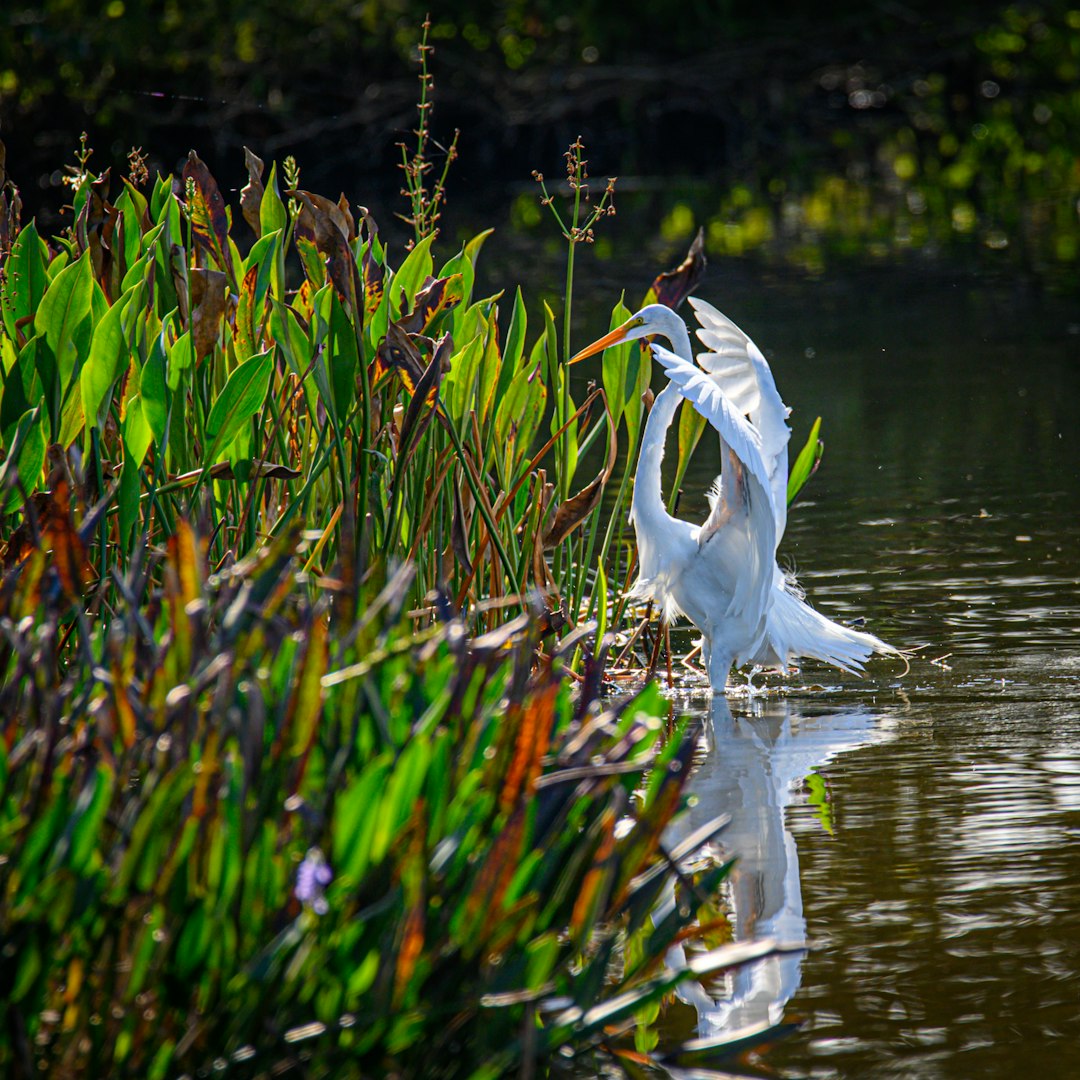
Doñana: The marshes of southern Spain, where flamingos wade through one of Europe’s most celebrated wetlands, owe much of their protection to two pieces of legislation that have anchored EU conservation for decades. Those laws — the Birds Directive and the Habitats Directive — are now being placed under unusually close scrutiny, and conservationists are watching nervously to see whether the exercise strengthens them or chips away at their force.
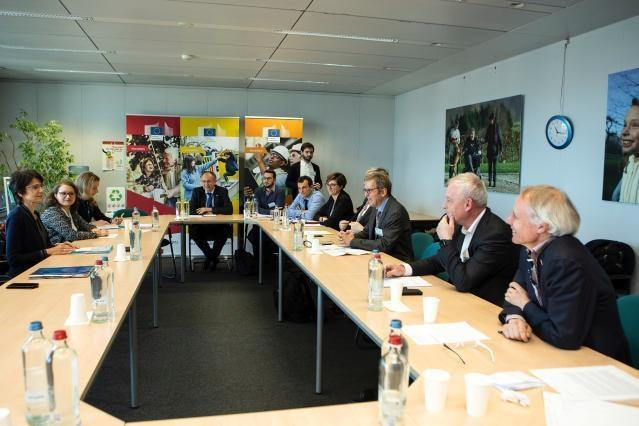
On 12 May, the European Commission opened a public consultation on the two directives, inviting citizens, scientists, farmers, landowners and campaigners to submit their views. The contributions will feed into what officials describe as a stress test of both instruments, an assessment of how well they are functioning in practice. The consultation runs until 4 August, setting up a summer of lobbying as competing interests press their case.
The directives together form the legal backbone of the EU’s nature policy. They underpin the Natura 2000 network, the vast web of protected sites that stretches from Spanish wetlands to Baltic forests, and they impose obligations on member states to safeguard threatened species and habitats. For environmental groups, they are sacrosanct — hard-won guarantees that have survived previous attempts at revision. For some in agriculture and development, they are a source of friction, blamed for delays and restrictions on land use.
The timing places the review within a crowded environmental calendar. Member states are due to submit National Restoration Plans to the Commission by September, detailing how they will meet the targets set under the bloc’s nature restoration rules. Those national reports will dovetail with the broader picture of progress that feeds into a global review at the United Nations biodiversity conference in October, where governments will measure themselves against the Kunming-Montreal framework they signed up to. A stress test of the foundational directives, conducted in the same months, ensures that the EU’s entire nature architecture is under examination at once.
A special Eurobarometer survey released as the Commission’s Green Week got under way underscored why the stakes are political as well as ecological: more than 90% of Europeans said protecting nature is essential for their health and economic prosperity. That overwhelming public sentiment gives campaigners confidence that any attempt to weaken the directives would meet stiff resistance, while supporters of reform argue that improving how the laws are implemented need not mean lowering their ambition.
The distinction between a stress test and a rewrite is precisely what is at issue. The Commission has framed the exercise as a health check rather than a prelude to deregulation, but past reviews have shown how quickly such language can shift once the consultation closes and drafting begins. Environmental organisations fear that complaints about administrative burden could be marshalled into a case for loosening protections, particularly at a moment when competitiveness has become the dominant theme of EU policy.
For now, the directives stand untouched, and the consultation is an invitation to be heard rather than a decision. But the months ahead will reveal whether Europe’s longest-standing nature laws emerge from their stress test reaffirmed, or whether the marshes of Doñana and the thousands of sites like them face a future of weaker guarantees.