August 9, 2026
LATEST
New EU Gas Market Rules Take Effect With Consumer SafeguardsDeforestation Regulation Holds Its December Deadline Despite CutsDigital Omnibus Delays Europe’s High-Risk AI Deadline to 2027Europe’s Schools Confront a Widening Basic Skills GapRule of Law Report Finds Progress but Trust Still LagsIRIS2 Gains 66 Satellites as Brussels Signs the Rollout DealNature Restoration Plans Come Due as Member States Race a DeadlineECB Rates Hold at 2.25 Percent as Frankfurt Waits on the DataEU Budget Talks Turn to Cohesion as Ireland Takes OverWildfire Response Stretches Europe’s Emergency Fleet ThinCan Europe’s Quantum Plan Match Its Big Ambitions?Armenia Edges West as Moscow’s Grip Slips AwayEurope Inherits the World’s Aid Bill It Cannot Fully PayAir Passenger Rights Get Their First Overhaul in Two DecadesErasmus Opens a 5 Billion Euro Round for Skills and MobilityCeuta Crisis Pushes the EU Toward Faster Migrant ReturnsBulky Parcels Face a Packaging Crackdown From August 12Can Europe Build Its Drone Wall Before 2030 Arrives?Indonesia’s Trade Deal With Europe Nears Its Final SignatureEurope Leans on Beijing to Keep Climate Talks Alive Before AntalyaNew EU Gas Market Rules Take Effect With Consumer SafeguardsDeforestation Regulation Holds Its December Deadline Despite CutsDigital Omnibus Delays Europe’s High-Risk AI Deadline to 2027Europe’s Schools Confront a Widening Basic Skills GapRule of Law Report Finds Progress but Trust Still LagsIRIS2 Gains 66 Satellites as Brussels Signs the Rollout DealNature Restoration Plans Come Due as Member States Race a DeadlineECB Rates Hold at 2.25 Percent as Frankfurt Waits on the DataEU Budget Talks Turn to Cohesion as Ireland Takes OverWildfire Response Stretches Europe’s Emergency Fleet ThinCan Europe’s Quantum Plan Match Its Big Ambitions?Armenia Edges West as Moscow’s Grip Slips AwayEurope Inherits the World’s Aid Bill It Cannot Fully PayAir Passenger Rights Get Their First Overhaul in Two DecadesErasmus Opens a 5 Billion Euro Round for Skills and MobilityCeuta Crisis Pushes the EU Toward Faster Migrant ReturnsBulky Parcels Face a Packaging Crackdown From August 12Can Europe Build Its Drone Wall Before 2030 Arrives?Indonesia’s Trade Deal With Europe Nears Its Final SignatureEurope Leans on Beijing to Keep Climate Talks Alive Before Antalya
August 9, 2026
LATEST
New EU Gas Market Rules Take Effect With Consumer SafeguardsDeforestation Regulation Holds Its December Deadline Despite CutsDigital Omnibus Delays Europe’s High-Risk AI Deadline to 2027Europe’s Schools Confront a Widening Basic Skills GapRule of Law Report Finds Progress but Trust Still LagsIRIS2 Gains 66 Satellites as Brussels Signs the Rollout DealNature Restoration Plans Come Due as Member States Race a DeadlineECB Rates Hold at 2.25 Percent as Frankfurt Waits on the DataEU Budget Talks Turn to Cohesion as Ireland Takes OverWildfire Response Stretches Europe’s Emergency Fleet ThinCan Europe’s Quantum Plan Match Its Big Ambitions?Armenia Edges West as Moscow’s Grip Slips AwayEurope Inherits the World’s Aid Bill It Cannot Fully PayAir Passenger Rights Get Their First Overhaul in Two DecadesErasmus Opens a 5 Billion Euro Round for Skills and MobilityCeuta Crisis Pushes the EU Toward Faster Migrant ReturnsBulky Parcels Face a Packaging Crackdown From August 12Can Europe Build Its Drone Wall Before 2030 Arrives?Indonesia’s Trade Deal With Europe Nears Its Final SignatureEurope Leans on Beijing to Keep Climate Talks Alive Before AntalyaNew EU Gas Market Rules Take Effect With Consumer SafeguardsDeforestation Regulation Holds Its December Deadline Despite CutsDigital Omnibus Delays Europe’s High-Risk AI Deadline to 2027Europe’s Schools Confront a Widening Basic Skills GapRule of Law Report Finds Progress but Trust Still LagsIRIS2 Gains 66 Satellites as Brussels Signs the Rollout DealNature Restoration Plans Come Due as Member States Race a DeadlineECB Rates Hold at 2.25 Percent as Frankfurt Waits on the DataEU Budget Talks Turn to Cohesion as Ireland Takes OverWildfire Response Stretches Europe’s Emergency Fleet ThinCan Europe’s Quantum Plan Match Its Big Ambitions?Armenia Edges West as Moscow’s Grip Slips AwayEurope Inherits the World’s Aid Bill It Cannot Fully PayAir Passenger Rights Get Their First Overhaul in Two DecadesErasmus Opens a 5 Billion Euro Round for Skills and MobilityCeuta Crisis Pushes the EU Toward Faster Migrant ReturnsBulky Parcels Face a Packaging Crackdown From August 12Can Europe Build Its Drone Wall Before 2030 Arrives?Indonesia’s Trade Deal With Europe Nears Its Final SignatureEurope Leans on Beijing to Keep Climate Talks Alive Before Antalya

Nature Restoration: Member States File First Implementation Plans

Madrid: The Nature Restoration Law has entered its first reporting cycle, with the European Environment Agency confirming receipt of preliminary national restoration plans from 23 Member States by the regulation’s 15 May submission deadline. The legislation, adopted in 2024 after one of the most contested negotiations in the history of Union environmental policy, requires Member States to restore ecosystems covering at least 30 percent of degraded habitats by 2030, with progressive targets extending to 2050.

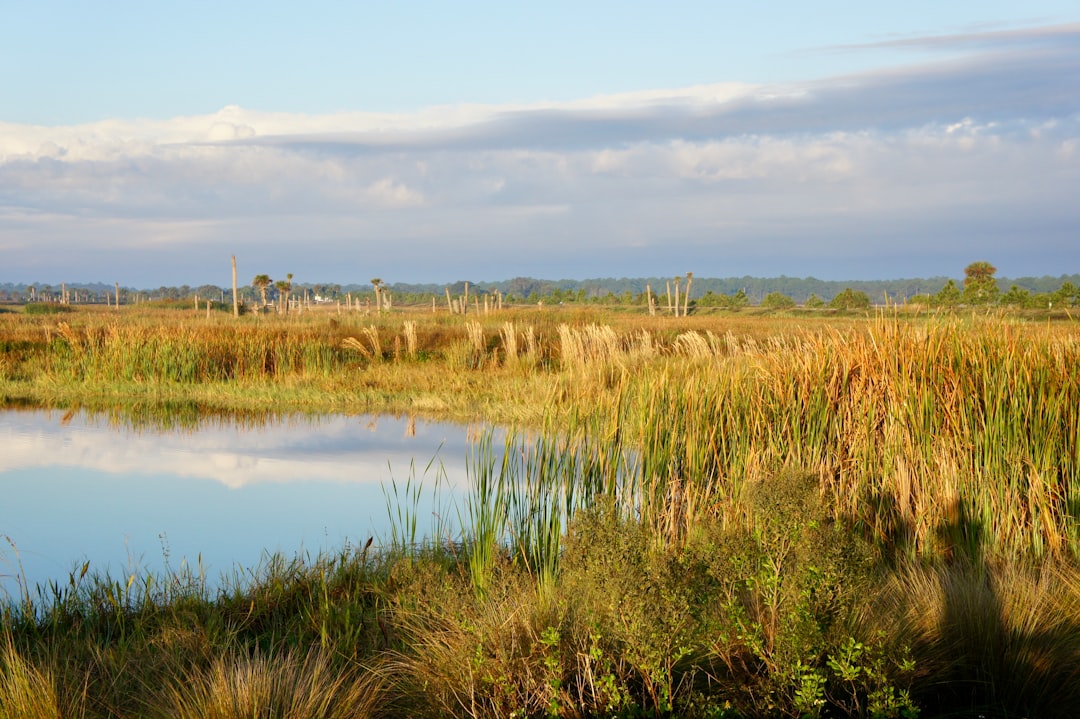
The Spanish Ministry for Ecological Transition’s submission, prepared in coordination with regional environmental authorities, identifies 14 priority habitat types for restoration action, including Mediterranean wetlands, peatlands in the northwestern bioclimatic zone, and traditional dehesa pastoral landscapes. The plan documents existing pressures, including water stress, agricultural intensification in irrigated zones, and the effects of recurring wildfire, and identifies financing pathways drawn from the Common Agricultural Policy, the Cohesion Fund, and dedicated national programmes.

Across the Union, the plans submitted to date reveal substantial variation in ambition and methodological approach. The Member States with the most ecologically intact baseline conditions, Sweden, Finland, and the Baltic states, have emphasised forest and peatland restoration. Those with more transformed landscapes, Germany, France, the Netherlands, Belgium, have placed greater emphasis on river continuity restoration, urban greening, and the recovery of pollinator populations. The Member States in the Mediterranean basin face the most acute restoration challenges, reflecting the combined pressures of climate change, water scarcity, and historical land-use change.

The financing question is consequential. The Commission’s mid-term review of EU environmental funding, published in April, estimates that the financial requirement for full implementation of the Nature Restoration Law’s 2030 targets exceeds 18 billion euro annually across the Union. Current commitments, drawing on the LIFE programme, Horizon Europe’s biodiversity calls, and dedicated lines in the Cohesion Fund and Common Agricultural Policy, fall short of this requirement by a significant margin. The Council’s discussion on closing this gap is expected during the Czech presidency of the Council in the second half of 2027.

The relationship between the Nature Restoration Law and the Common Agricultural Policy remains the most operationally significant interaction in the Union’s environmental framework. The CAP’s eco-schemes, taken together, provide the largest single financing instrument for restoration action; their alignment with national restoration plans is therefore decisive. Several Member States, notably the Netherlands and Ireland, have already revised their CAP strategic plans to strengthen this alignment; others retain plans whose contribution to restoration targets remains uncertain.

Scientific institutions, including the European Topic Centre on Biological Diversity, have welcomed the law’s structural ambition while pressing for methodological improvements in baseline mapping and progress monitoring. Their forthcoming guidance, due in July, addresses the harmonisation of indicators across Member States and the integration of restoration outcomes with the broader Biodiversity Strategy for 2030.

Civil society engagement has been substantial. BirdLife Europe and Central Asia, the European Environmental Bureau, and WWF have each developed parallel assessments of national plans. Their preliminary conclusions emphasise that ambition on paper must be matched by implementation capacity, and that capacity, particularly in protected area management and ecological monitoring, remains uneven across the Union.

The first comprehensive Commission assessment of national plans is expected in October. Its findings will shape the trajectory of the Nature Restoration Law’s implementation through the remainder of the decade.