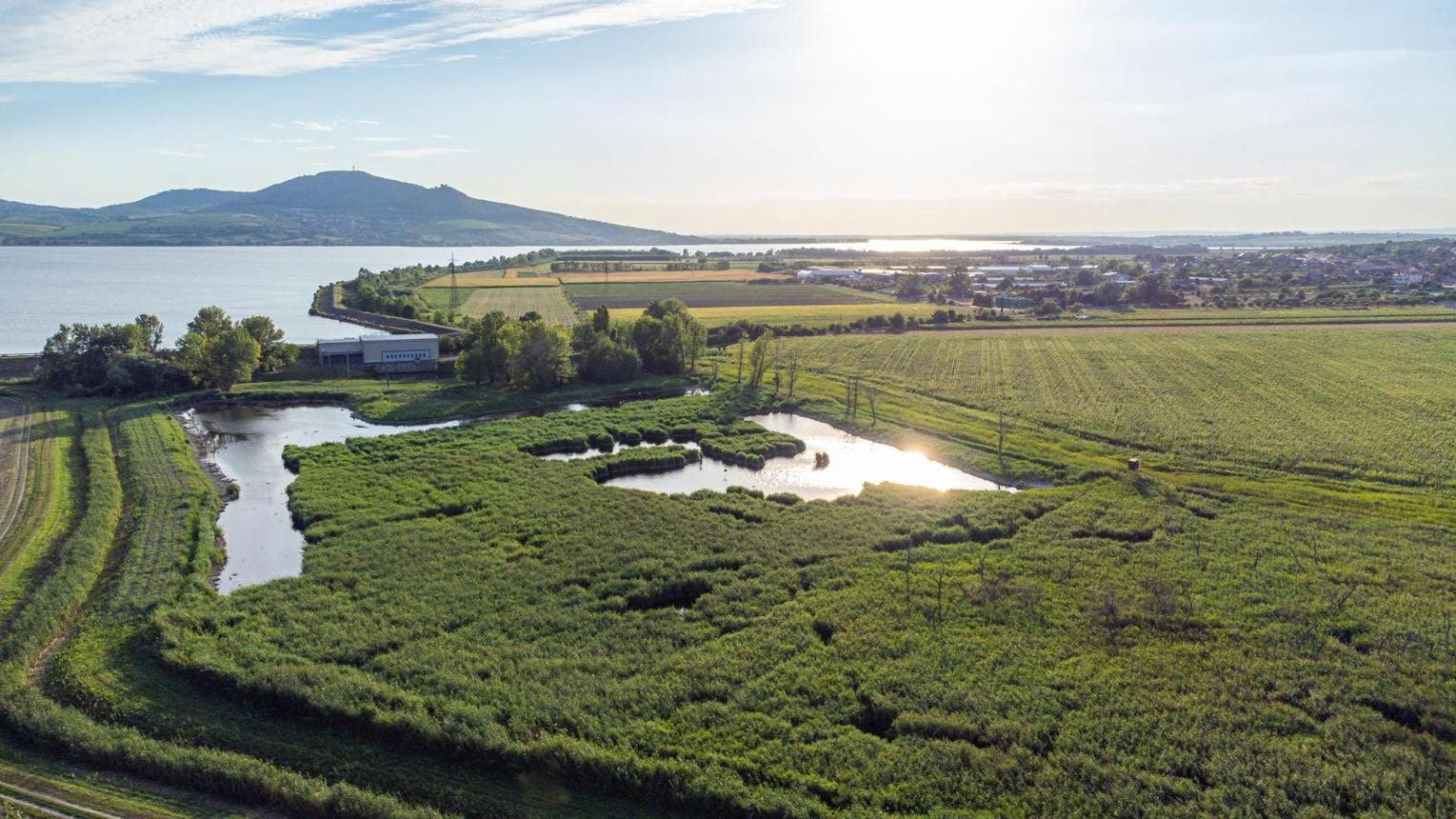
Prague: The most demanding test of Europe’s nature restoration ambitions is no longer a distant target but a date on the calendar. By 1 September every member state must hand Brussels a draft National Restoration Plan setting out, habitat by habitat, how it intends to heal ecosystems it has spent decades draining, paving and simplifying.
The plans flow from Regulation 2024/1991, the binding core of the European Green Deal’s biodiversity agenda. Governments must restore at least 30 percent of habitats in poor condition by 2030, 60 percent by 2040 and 90 percent by mid-century, with measures covering a fifth of the EU’s land and sea within five years. The Commission keeps the legal framework and its milestones in its nature restoration pages.
Prague sits among the frontrunners. Conservation analysts single out Czechia, alongside Germany, Finland, France, Portugal and Spain, for leaning on solid scientific evidence as they draft their plans rather than assembling a wish-list of vague intentions. That distinction will decide credibility: a plan grounded in habitat data can be measured and enforced, while one built on aspiration tends to quietly evaporate.
The wider picture is far less reassuring. A mid-term assessment of national planning found progress uneven and, taken as a whole, insufficient to meet the law’s binding targets. Some capitals treat the September deadline as a genuine turning point; others approach it as a bureaucratic box to tick, and conservation groups laid out the disparities in their review of the draft plans.
The politics behind the numbers stay raw. Farm lobbies fought the regulation hard, fearing that rewetted peatlands and restored floodplains would pull productive land out of use, and the compromise text softened several obligations to win passage. That truce now moves from the negotiating table into 27 national plans, where the same tensions between food production, forestry, energy and habitat will surface again in local detail.
Money looms over all of it. Restoration on this scale demands sustained funding for land management, monitoring and, in many cases, compensation for the farmers and foresters asked to change how they use their land. The plans due in September must name those funding streams, not merely gesture at them, and vague financing is exactly where earlier environmental commitments came undone.
A draft submitted this autumn is only the first move; final plans follow in 2027, and the real work stretches to 2050. But September marks the moment the regulation stops being an abstraction and forces each government to write down, in enforceable terms, how it will give degraded nature a route back. What lands on the Commission’s desk will reveal which capitals mean it.