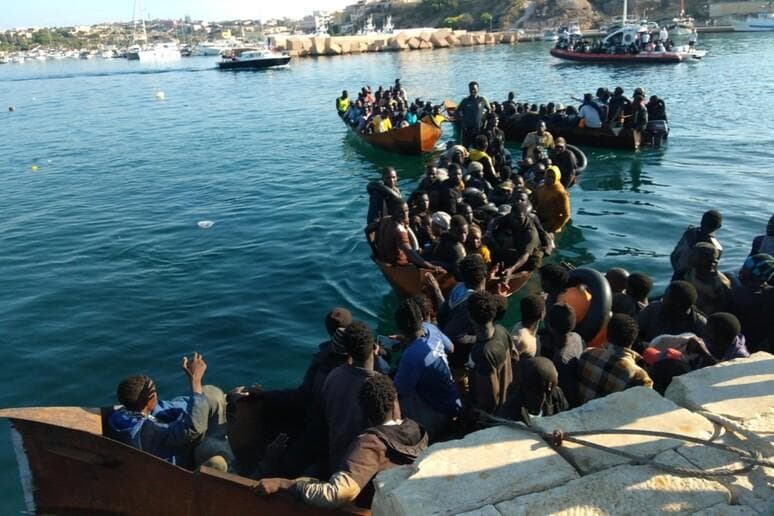
Lampedusa: On the small Italian island that has long served as Europe’s most exposed frontier, the rules governing who arrives, how they are screened and where they are sent have just changed more profoundly than at any time in a generation. The New Pact on Migration and Asylum entered application in mid-June, ending years of negotiation and opening a far harder phase of implementation.
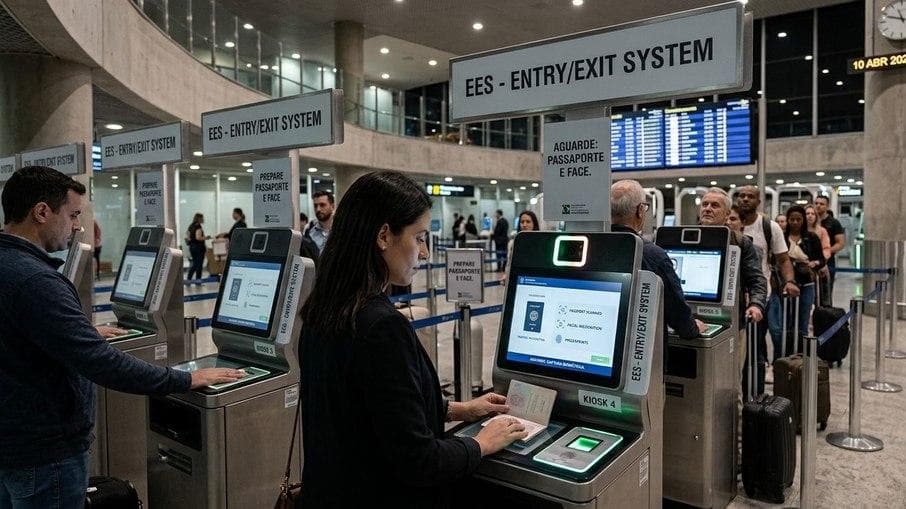
The new system rests on a sequence of obligations. Every irregular arrival is now subject to mandatory registration, with identity, security, health and vulnerability checks meant to be completed within days and biometric data, including facial images and fingerprints, stored in an expanded Eurodac database. Those judged unlikely to qualify for protection, or considered security risks, face accelerated border procedures and remain in designated areas while their claims are assessed, rather than moving onward into the bloc.
At the heart of the pact sits a bargain that took the longest to strike. Frontline states such as Italy, Greece and Spain, which absorb the bulk of Mediterranean arrivals, demanded that others share the load. The result is a mandatory solidarity mechanism under which every member state must contribute, either by relocating asylum seekers, by sending money and personnel, or by paying a set sum for each person it declines to take. Ministers agreed the size of the solidarity pool late last year, fixing the contributions that make the arithmetic work.
The Commission, reporting on the state of play in early May, said the main pillars were now in place and that capitals had advanced significantly in preparing the systems, staff and facilities the law requires. That is the official account. On the ground, the picture is more uneven, with reception capacity, detention space and trained personnel still catching up to the timetable the legislation imposes.
Critics are vocal and varied. Human rights organisations warn that fast border procedures, combined with detention-like conditions, risk eroding the right to a fair hearing, and that vulnerable arrivals, including children and survivors of trafficking, may be swept into accelerated tracks ill-suited to their circumstances. They question whether seven-day screening windows can deliver genuine assessment or merely the appearance of it.
From the opposite direction, several governments argue the pact is too lenient, and a bloc of states continues to press for tougher external measures, faster returns and agreements with countries of origin and transit. The solidarity mechanism, designed as the compromise that held the whole structure together, is resented by some capitals as either an unwanted obligation to host or a licence to buy their way out.
What is no longer in doubt is that the framework is live. The arguments of the past decade, conducted in summits and parliamentary chambers, now play out in screening centres and appeal tribunals. Islands like this one, where the policy meets the boat, will be the first to reveal whether Europe has built a system that is both orderly and humane, or merely orderly.