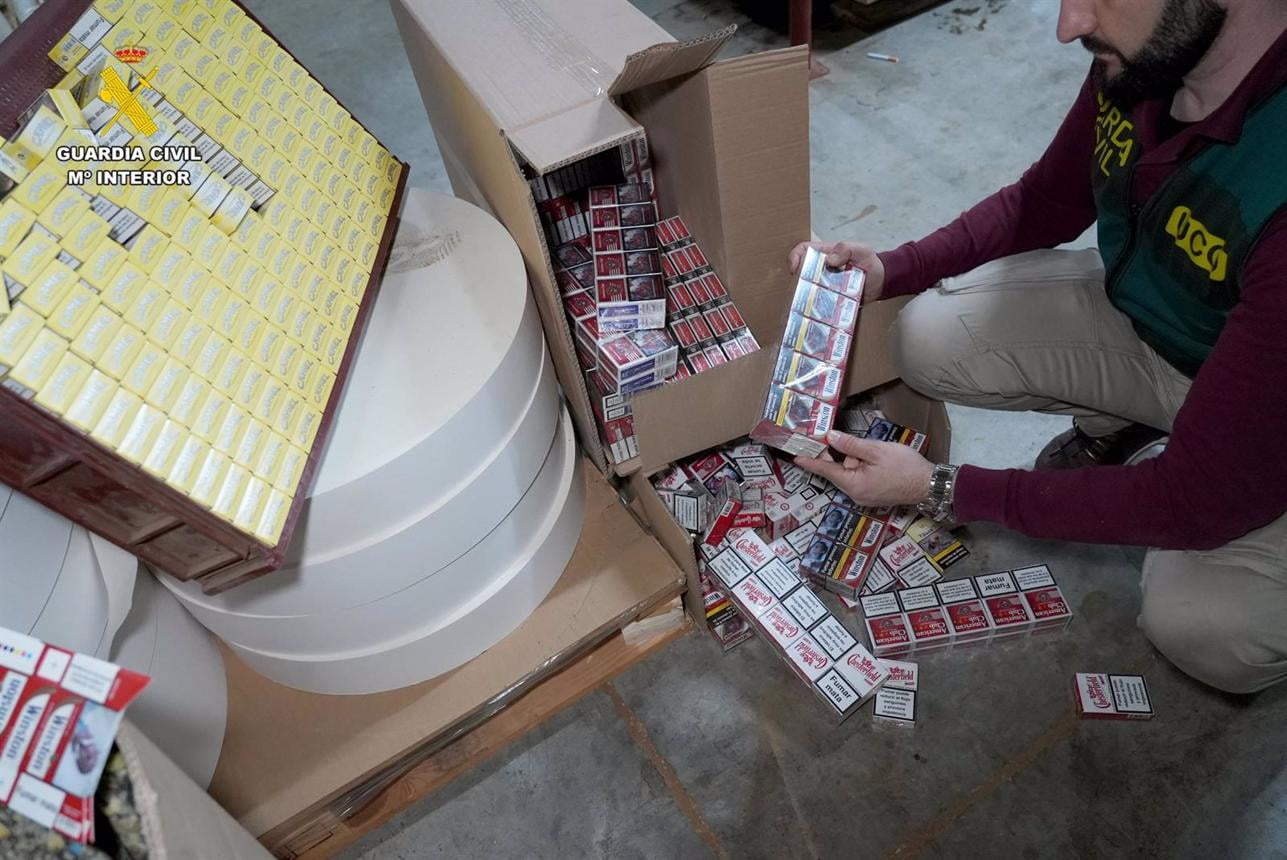
Copenhagen: A rewrite of the Union’s tobacco laws is drawing an unusually loud crowd, with more than eighty thousand submissions already lodged in a consultation that will shape how Europe treats cigarettes, vapes and the fast-growing world of nicotine pouches. The Commission is expected to table proposals to revise its tobacco rules by the end of the year, and the volume of feedback already dwarfs most public consultations the Union has run in recent memory.
The review reaches far beyond traditional cigarettes. Officials want the new framework to cover the full range of nicotine delivery systems, from disposable vapes and heated tobacco to pouches that sit between lip and gum, products that barely existed when the current directive was written and that regulators have struggled to police since.
Health campaigners see a chance to close gaps that let novel products slip through. They point to flavours and packaging that appeal to teenagers, to online advertising that evades national bans and to marketing that presents nicotine pouches as harmless lifestyle accessories rather than addictive stimulants that hook a new generation.
Industry and many adult users push back hard. Vaping advocates argue that e-cigarettes help committed smokers quit, and they warn that heavy-handed nicotine rules could shove former smokers back toward combustible tobacco or into an unregulated grey market where no safety standard applies at all.
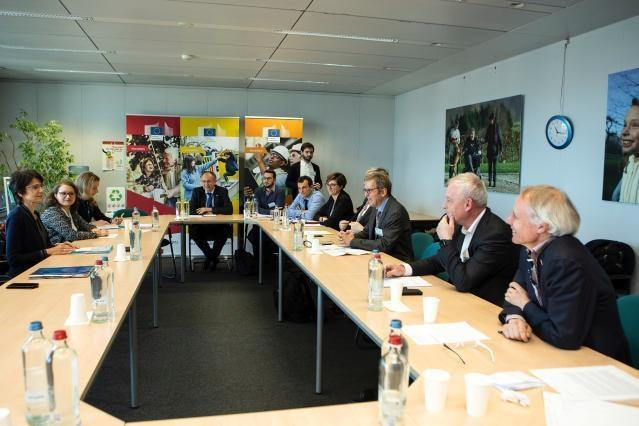
National governments sit uneasily in the middle. The Commission has canvassed member states through a detailed questionnaire on flavourings, labelling, nicotine limits and digital advertising, and capitals disagree sharply, with some pressing for near-prohibition of flavours and others fearing lost tax revenue and cross-border shopping.
Taxation runs on a parallel track. Brussels has separately moved to modernise the levy on tobacco, extending minimum duties to e-cigarettes, heated products and pouches, a change that would raise prices and hand governments a fresh revenue stream even as health ministers focus on the products themselves.
The sheer volume of responses signals how contested the file has become. A parliamentary tracker shows the revision advancing while lawmakers have already resisted some tax proposals, a reminder that any final text must survive both national capitals and a divided legislature before it binds a single shop.
Whatever emerges, the direction looks set. Europe is moving to treat every form of nicotine as a public health concern rather than a patchwork of separate products, and the coming proposals will decide how strict the new nicotine rules become and who ends up paying for them.