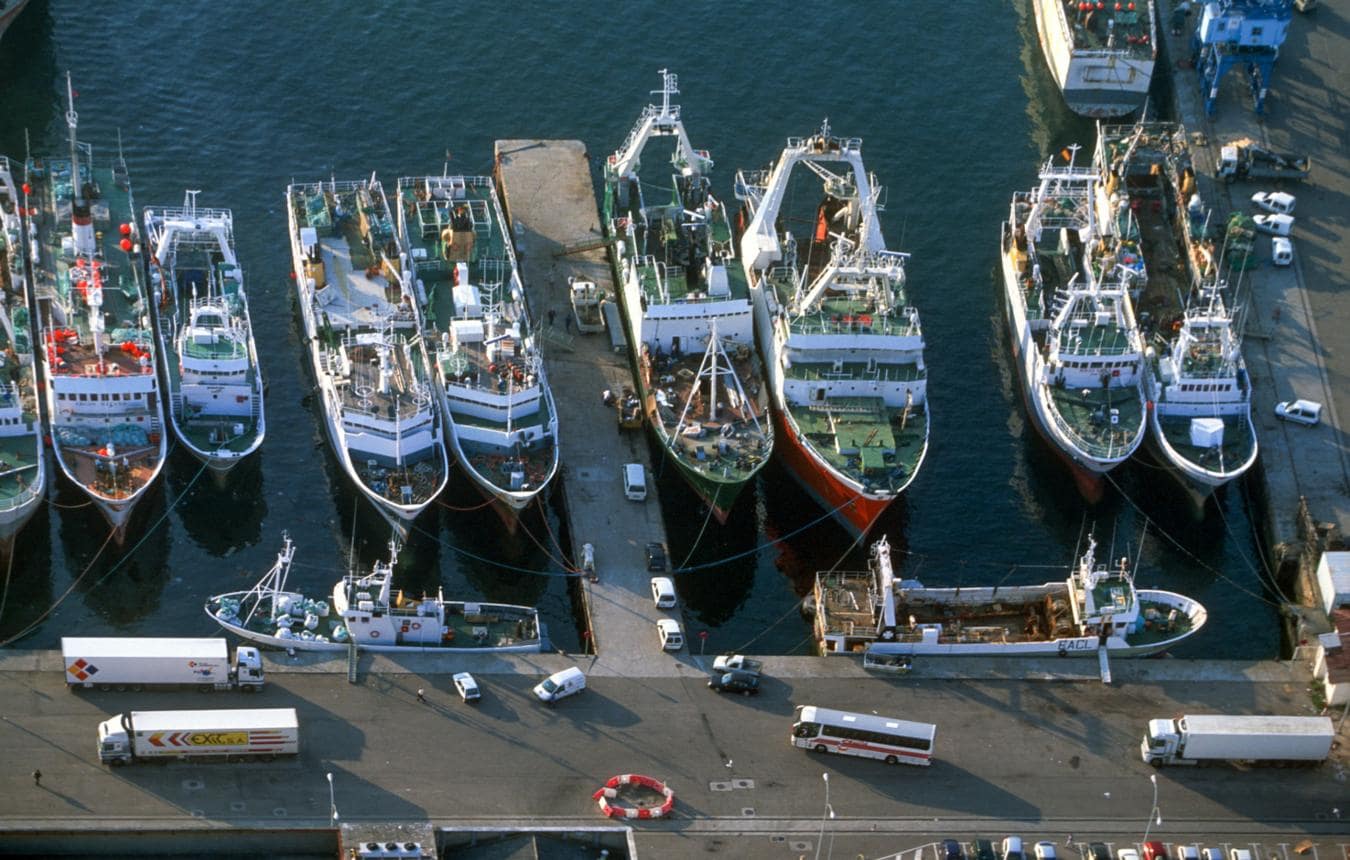
Vigo: From the quays of Galicia’s biggest fishing port, the Union’s next big marine project looks less like a slogan and more like a deadline. A public consultation on a future ocean act closed in mid-July, and the Commission now has to turn thousands of responses into a law it has promised before the year ends.
The consultation, which ran until 16 July, forms the legislative spine of the European Ocean Pact that the Commission adopted in June 2025 and unveiled at the United Nations Ocean Conference in Nice. The pact bundles six priorities, from ocean health and a competitive blue economy to coastal resilience, maritime security and ocean diplomacy, under a single banner.
Officials frame the ocean act as the moment those ambitions acquire binding force. The Commission has said it will table the proposal by the end of 2026, and the summer consultation was the last broad chance for ports, fishers, scientists and coastal regions to shape it. Details sit on the Commission’s ocean pact pages.
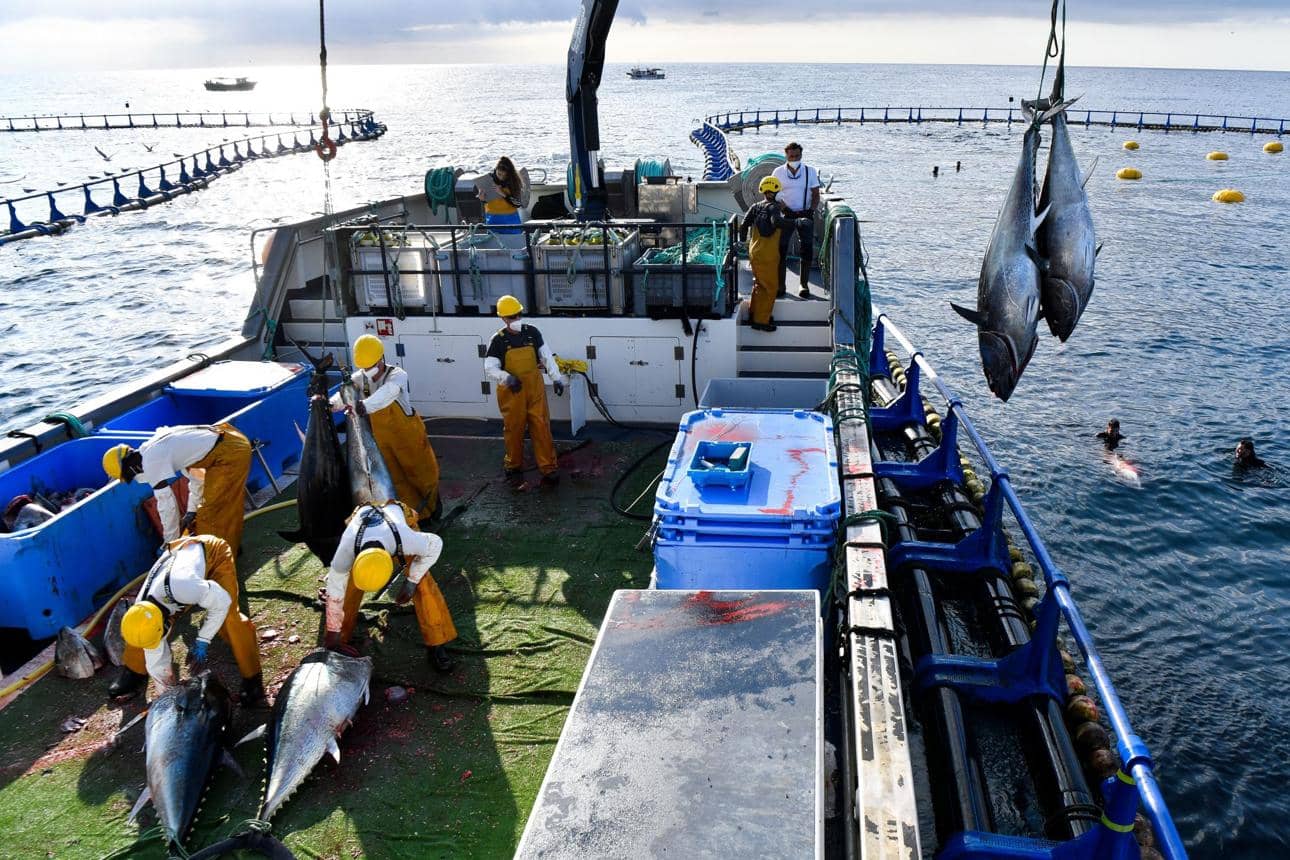
Fishing crews in ports like Vigo watch one strand especially closely: the fight against illegal, unreported and unregulated catches. Since January 2026, the bloc has required operators to log catch certificates through a digital system known as IT CATCH, replacing a paper trail that smugglers had long exploited. Crews who play by the rules hope the shift finally levels the water.
Ports themselves feature in the plan. A new ports strategy, built on the European Ports Alliance, aims to turn harbours into secure hubs that resist organised crime and trafficking while guarding the trade routes that feed the single market. For a working port, that means tighter controls but also a claim on Union investment.
Decarbonisation adds another layer. The Commission wants to modernise the fishing fleet and cut its fuel use, backed by an energy transition partnership for fisheries and aquaculture. Owners welcome the help yet warn that new engines and hulls demand capital that a squeezed sector cannot raise alone.
Environmental groups want the act to go further, binding member states to measurable targets for restoring marine life rather than restating goals. Fishing associations push the other way, wary of rules that could shrink quotas or raise costs without cushioning coastal jobs. The Council’s own fishing rules already show how sharply those interests collide each year.
What happens next rests with the drafters, but the stakes land in places like Vigo, where the sea is both a workplace and a livelihood. If the ocean act balances protection with a future for the fleet, it could steady an industry long buffeted by scarcity and suspicion. If it tilts too far either way, the backlash will start on the quay.