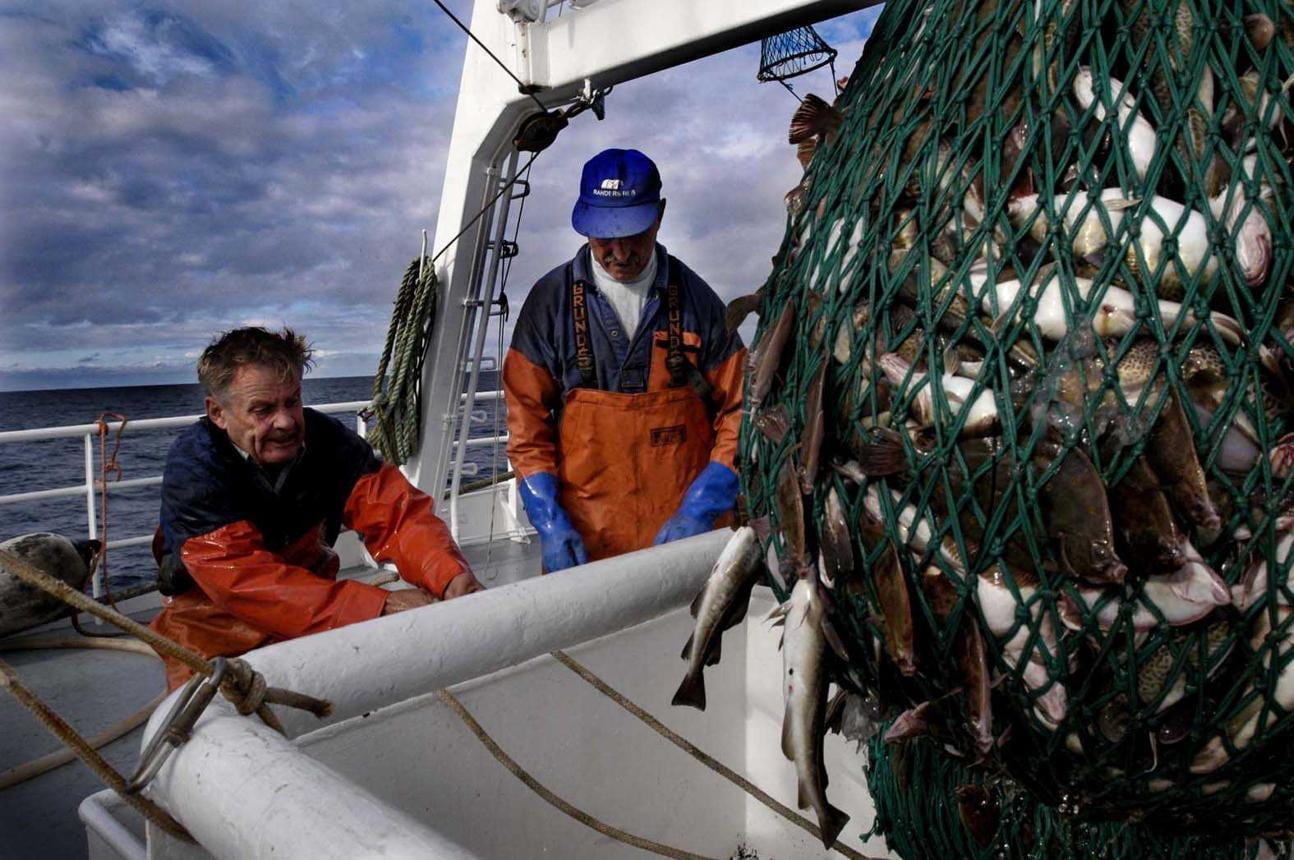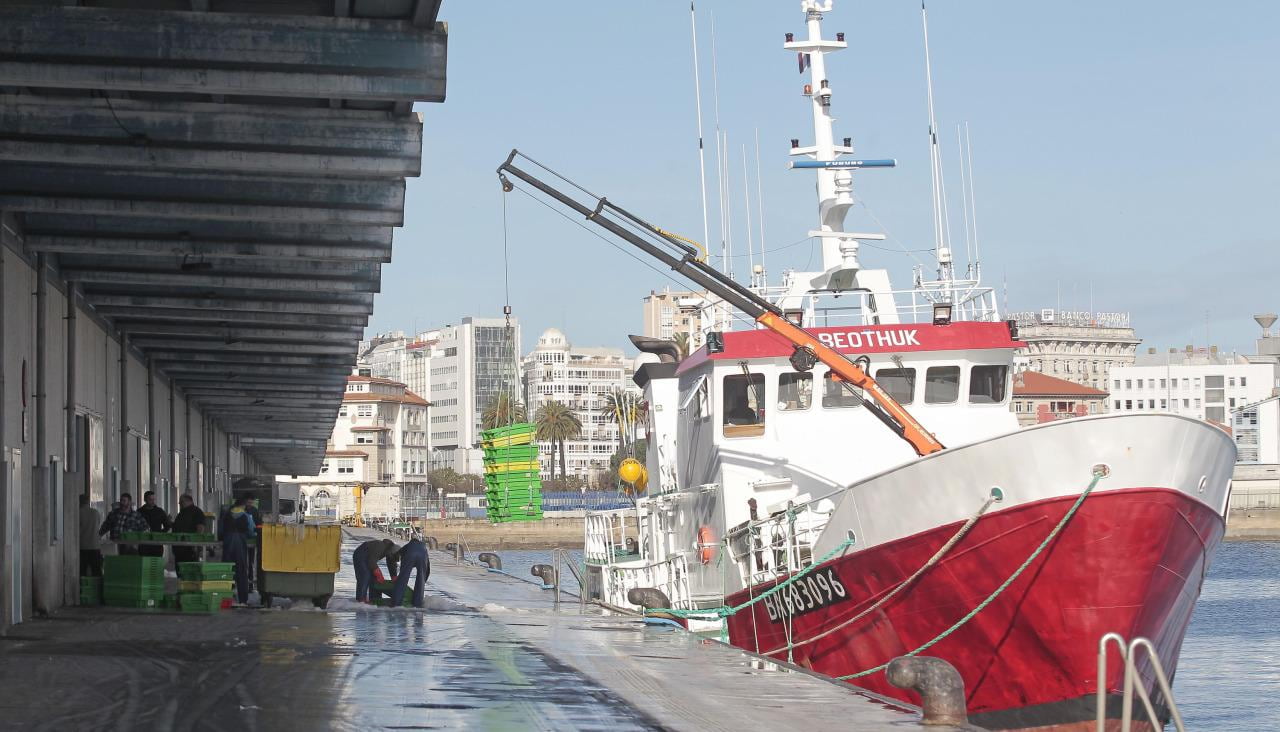
A Coruña: The trawlers that crowd this Galician port carry the anxieties of an entire industry. Skippers fret over shrinking quotas, rising fuel bills and rules that seem to multiply each season. The bloc now proposes to gather those scattered concerns into a single framework, and the debate over ocean governance has reached the quaysides.
The effort traces back to the European Ocean Pact, which leaders unveiled in the summer of 2025 at a United Nations conference in Nice. The pact pulls policies on fishing, shipping, marine nature and coastal jobs under one roof, backed by a billion euros. A year on, officials have reviewed its first steps and pressed for firmer legal footing.
That footing is meant to come from a planned Ocean Act. The Commission opened a public consultation in the spring, inviting fishers, scientists, ports and green groups to shape a law it hopes to adopt before the year ends. The act would serve as one reference point for the economic, climate and environmental targets that now sit in separate texts.
For the fleets tied up in A Coruña, the practical changes have already begun. A digital catch certificate took effect in January, tracking every consignment of fish that enters the bloc in a bid to shut out illegal hauls. Crews grumble about the extra clicks, yet buyers increasingly demand proof that a catch was landed within the rules.
The pact rests on six priorities, from restoring the health of the seas to strengthening maritime security and supporting the communities that depend on the water. It also folds in a ports strategy and an industrial plan for shipbuilding, sectors that officials cast as vital to both the economy and the bloc’s defence.
Fishers worry that lofty goals will translate into tighter limits on their nets. A recent evaluation of the bloc’s common fisheries policy fed the debate, praising gains in some stocks while conceding that others remain fragile. Environmental groups want the new law to lock in stricter protection; the industry wants room to keep working.
How the Ocean Act balances those pulls will decide whether ports like this one thrive or fade. The consultation closes and the drafting begins, with a proposal expected later in the year. For now the fleet waits, watching a policy debate in distant capitals that will ripple all the way down to the tide line.
Coastal towns have a stake far beyond the catch itself. Processing plants, boatyards and markets all lean on a steady flow of fish, and a shock to the fleet ripples through the whole local economy. Officials insist the new framework will steady those jobs rather than threaten them, but the crews on the quay will judge the promise by what lands in their nets.