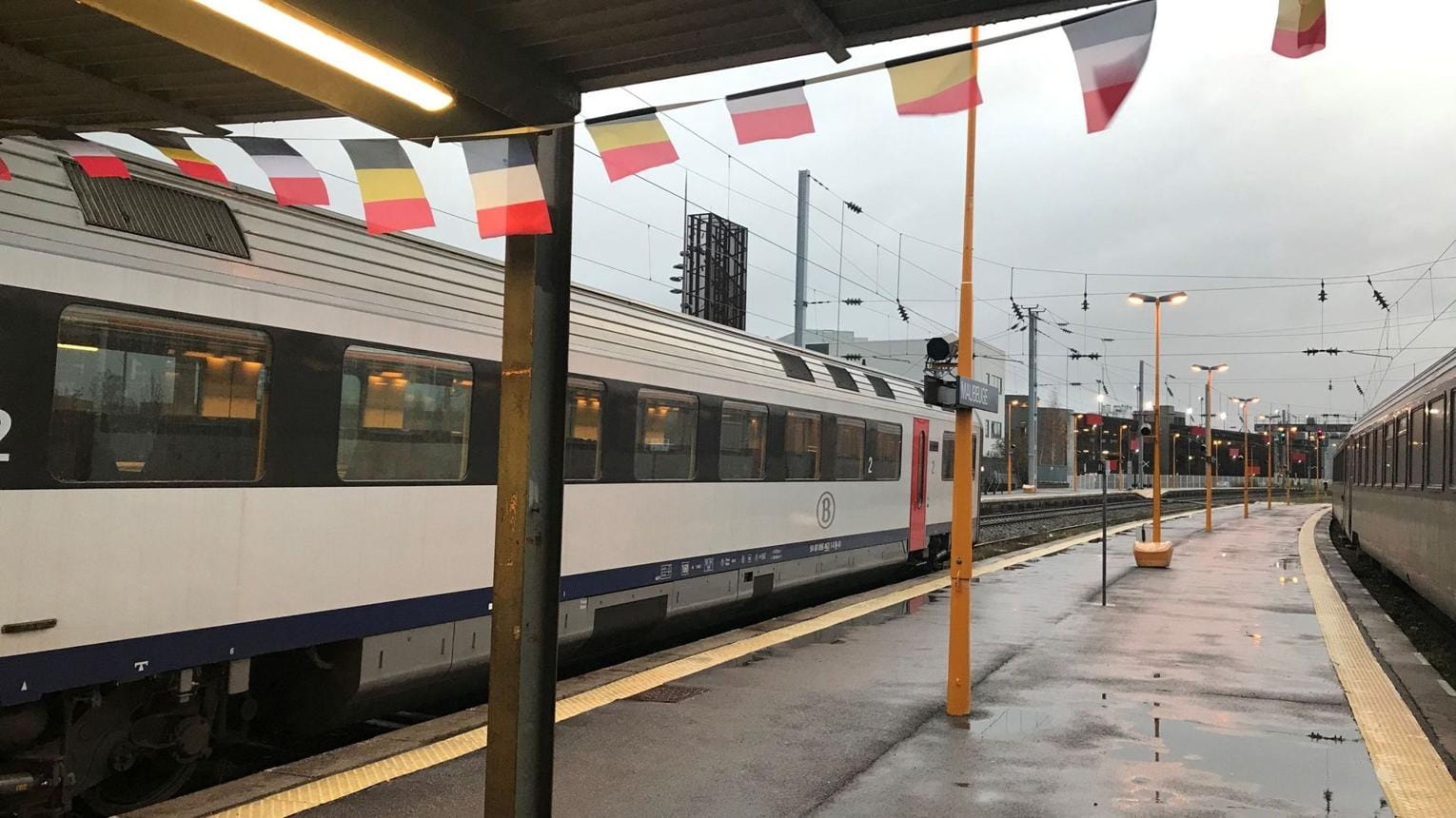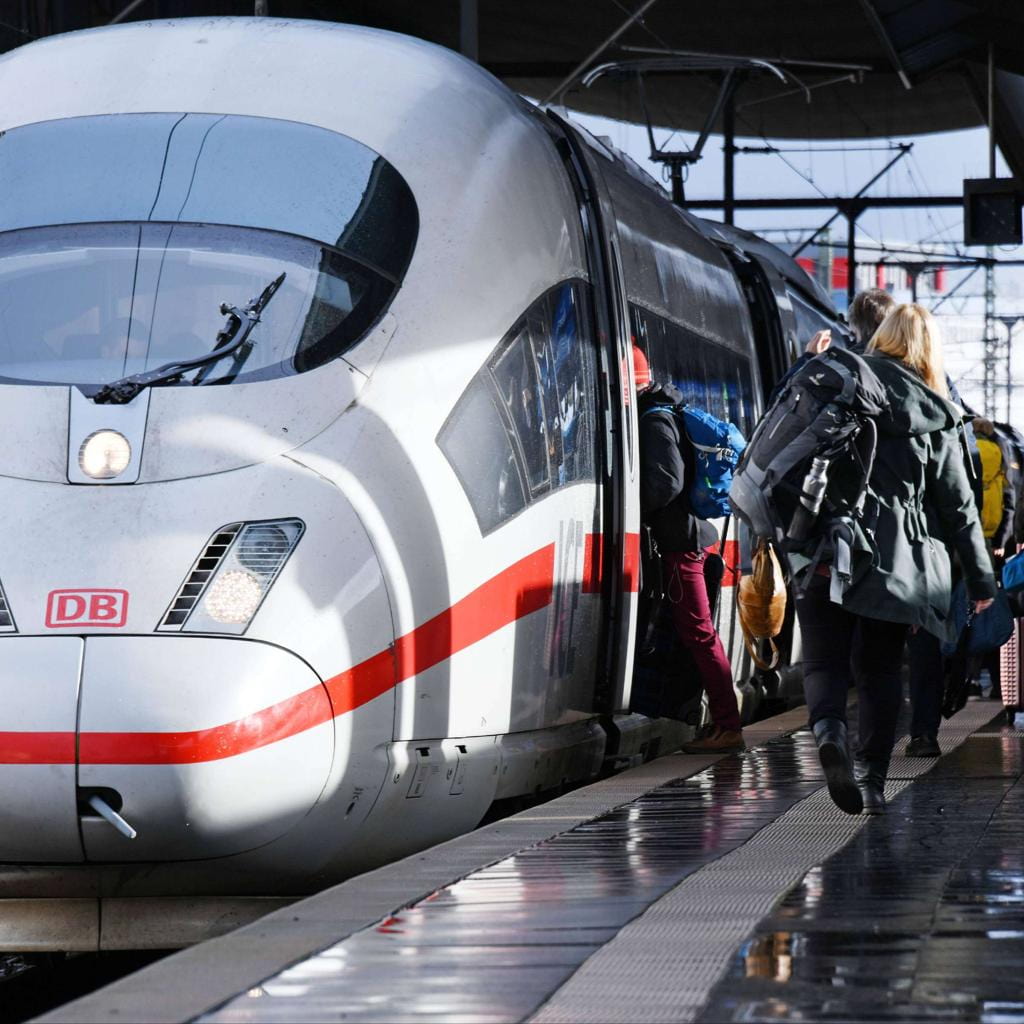
Vienna: For travellers who have juggled three separate bookings to cross the continent by rail, relief is edging closer. The European Commission wants a single rail ticket to carry passengers across borders and operators, with full protection when a connection falls through.
The plan sits inside a package of proposals the Commission tabled to make seamless travel a practical reality rather than a slogan. It targets the frustration that has long deterred people from choosing the train for long journeys, where a delay on one leg can strand a passenger holding a separate ticket for the next.
At the heart of the reform is the promise of one transaction. Passengers would be able to find, compare and buy services from different rail companies combined into a single ticket, purchased on the platform of their choice. The Commission argues that the change removes the biggest practical barrier to cross-border rail.
The protection matters as much as the booking. Travellers who miss a connection on a multi-operator journey covered by a single ticket would gain full passenger rights, including assistance, rerouting, reimbursement and compensation. Today a missed link often leaves passengers arguing with companies that each deny responsibility.
The Commission paired the proposals with an implementation report on existing rail passenger rights. That review tracks progress since the current rules took effect in mid-2023, pointing to clearer rules on carrying bicycles, better passenger information and fewer national exemptions that once diluted protections.
Rail operators respond with caution. Selling a rival’s service and sharing liability for delays cut against decades of commercial habit, and incumbents worry about how revenue and blame get split when a journey spans several companies. Ticketing platforms, by contrast, stand to gain from rules that force wider access to fares and timetables.
Consumer and environmental groups back the push. They see easier booking as essential if rail is to compete with short-haul flights on price and convenience, and they argue that the climate case for trains collapses if passengers cannot buy a through ticket in a single click.
The proposals still face negotiation between the Parliament and member states, where national operators wield influence and timelines can stretch. Even so, the direction is set. If the package survives largely intact, the tangle of bookings that has long defined European rail could give way to the kind of single ticket that air and coach passengers already take for granted.