Verona: The revised organic products rules must reach agreement within seven weeks, because the current regime for organic food imports expires on 31 December 2026. The European Parliament’s Agriculture Committee prepared its position in July, and the EU institutions say they aim to settle the file before the end of the year. Without a deal, importers and certifiers face legal uncertainty on 1 January.
The Commission proposed the changes after a ruling by the Court of Justice on 4 October 2024. The Court found that imported products recognised under equivalence arrangements cannot carry the EU organic logo. The proposal for new organic products rules tries to fix that problem while keeping trade flowing. Under the Parliament text, non-EU products could display the logo only if they meet equivalent standards and also follow additional production and control requirements.
The committee adopted its position by 37 votes to 4, with 8 abstentions. It then backed a mandate to negotiate with the Council by 40 votes to 8, with 1 abstention. Rapporteur Camilla Laureti argued for a stable regulatory framework that simplifies certain organic products rules without overturning them after only a few years of implementation. That sentence sums up the political bargain: lighter obligations for farmers, without a retreat from the standards consumers trust.
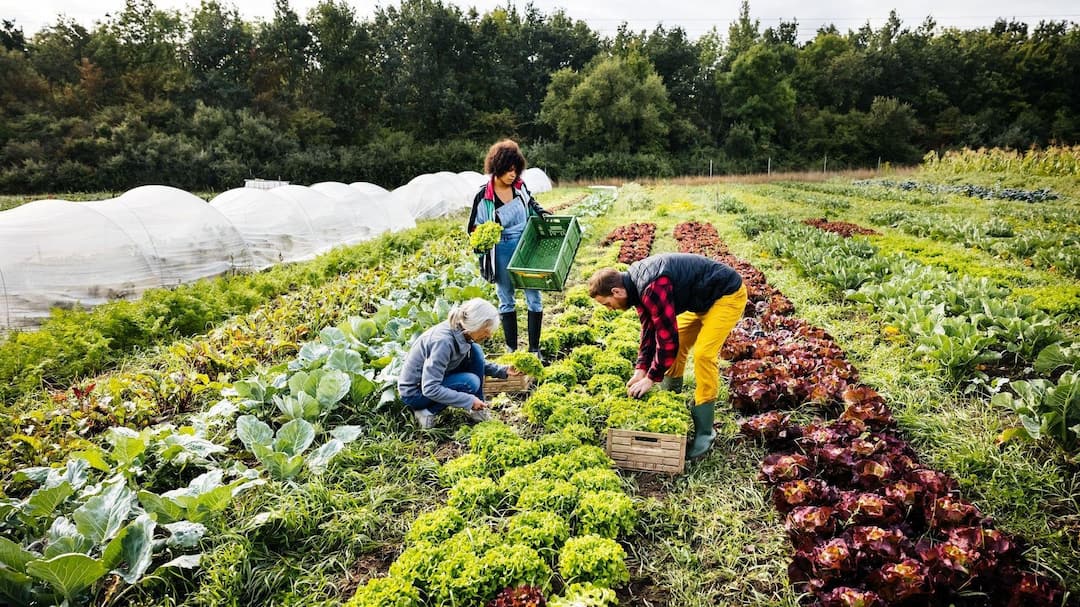
Small operators receive the most visible relief under the organic products rules. Producers who sell unpackaged organic products directly to consumers can claim an exemption, and the committee raised the annual turnover threshold from 20,000 euros to 25,000 euros. It also lifted the sales volume limit from 5,000 kilograms to 10,000 kilograms a year. Lawmakers noted that recent price rises had pushed some producers above the old turnover cap, even though their businesses had not grown.
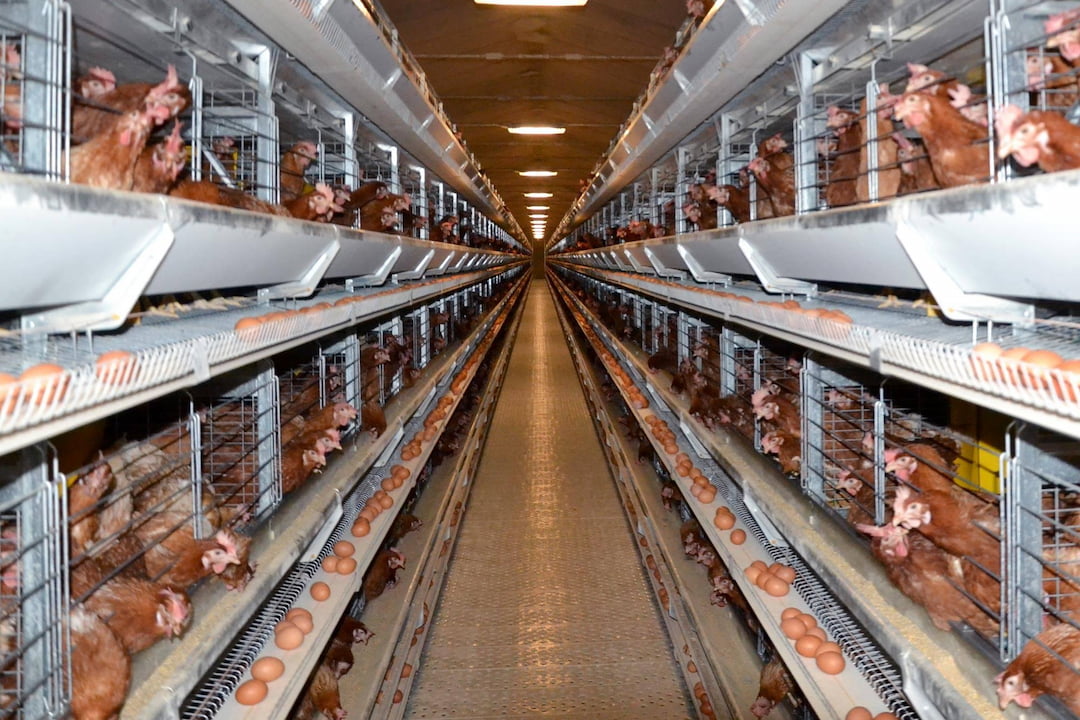
The text also changes the rules on poultry. It modifies the requirements for houses that hold fattening poultry and for daytime open-air access, with the aim of cutting administrative and logistical costs for farmers. Animal welfare groups will want to see whether the changes weaken the promise that organic birds live differently from conventional ones.
The calendar adds pressure. Parliament wants a plenary vote as soon as possible, and negotiators on both sides know that a failed deal would not stop organic trade overnight but would leave imports without clear legal footing. Importers need to know which equivalence arrangements survive, and certification bodies need time to adapt their controls.
The organic products rules therefore stand at a decisive moment. A quick agreement would give the sector stability and reward farmers who sell small volumes directly, while a delay would turn a technical update into a trade problem on New Year’s Day.