Copenhagen: A new modelling study circulated in mid-May has handed Europe’s stalled hydrogen ambitions an unexpectedly practical idea. By wiring together Danish offshore wind and Spanish solar, researchers argue, the bloc could produce renewable hydrogen at a cost close to two euros per kilogram, a threshold that would finally make the fuel competitive with the grey hydrogen refineries and fertiliser plants burn today.
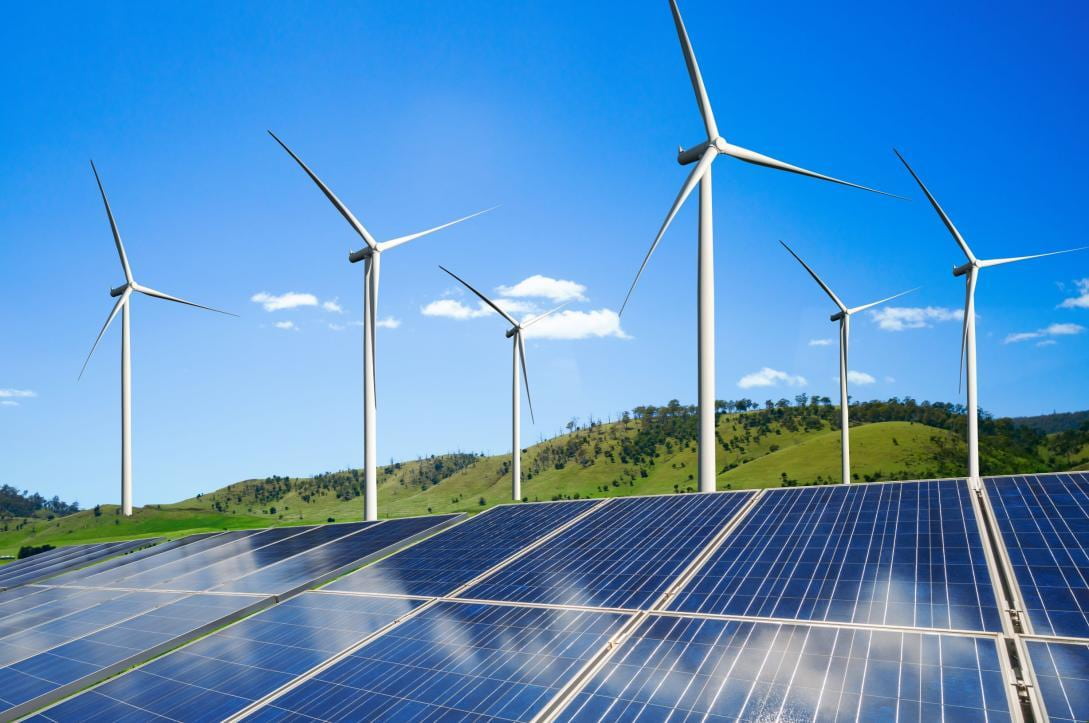
The logic rests on weather. Spanish photovoltaic output peaks in long, bright summers, while Danish turbines spin hardest through dark, blustery winters. Run an electrolyser fleet across both, the analysis suggests, and the machines stay busy far more of the year than either resource could manage alone. Higher utilisation spreads the heavy capital cost of electrolysers over more output, and the price per kilogram falls accordingly. A corridor linking the two ends of the continent, the authors contend, could underpin a genuine internal market rather than a patchwork of isolated pilots.
That conclusion lands at a moment when the European Hydrogen Bank is straining to match supply with money. Its third auction, settled this spring, drew roughly 8.4 billion euros in bids chasing a far smaller pot. Nine projects eventually shared just over one billion euros, between fifty-seven cents and three and a half euros per kilogram of subsidy, covering close to 1.1 gigawatts of electrolyser capacity. Those plants are expected to yield about 1.3 million tonnes of renewable and low-carbon hydrogen across their first decade while avoiding some nine million tonnes of carbon dioxide. For the first time, winners emerged in Greece and Austria, and the single largest award went to a project in Finland.
The arithmetic of those auctions exposes the gap the corridor concept tries to close. Demand for subsidy keeps overwhelming the budget because production costs still sit well above the price industrial buyers will pay. Cutting the underlying cost of the molecule, rather than topping up the difference with public cash, is the only durable way out. A wind-and-sun pairing that lifts utilisation does exactly that, attacking the problem at its root instead of subsidising the symptom.
Obstacles remain stubbornly physical. A hydrogen corridor stretching from Iberia to the North Sea needs pipelines, storage caverns and cross-border rules that do not yet exist at scale, and the backbone the Commission has sketched will take years and tens of billions to build. National permitting timelines, grid connection queues and disputes over who pays for shared infrastructure could all blunt the theoretical savings. The study models an idealised system; the real one will be slower and messier.
Even so, the direction of travel is clear. Winning projects from the latest auction are expected to sign their grant agreements with the Commission’s climate executive agency before the year is out, and policymakers are openly hunting for ways to stretch limited funds further. A blueprint that promises competitive hydrogen through geography rather than ever-larger subsidies is the kind of argument finance ministries are inclined to hear. Whether the pipelines follow the physics is now the question that matters.