Vilnius: A landmark deadline for closing Europe’s gender pay gap arrived on 7 June, and most of the Union missed it. Member states were required to write the pay transparency directive into national law by that date, yet only four of the twenty-seven, Slovakia, Italy, Lithuania and Malta, had done so on time.
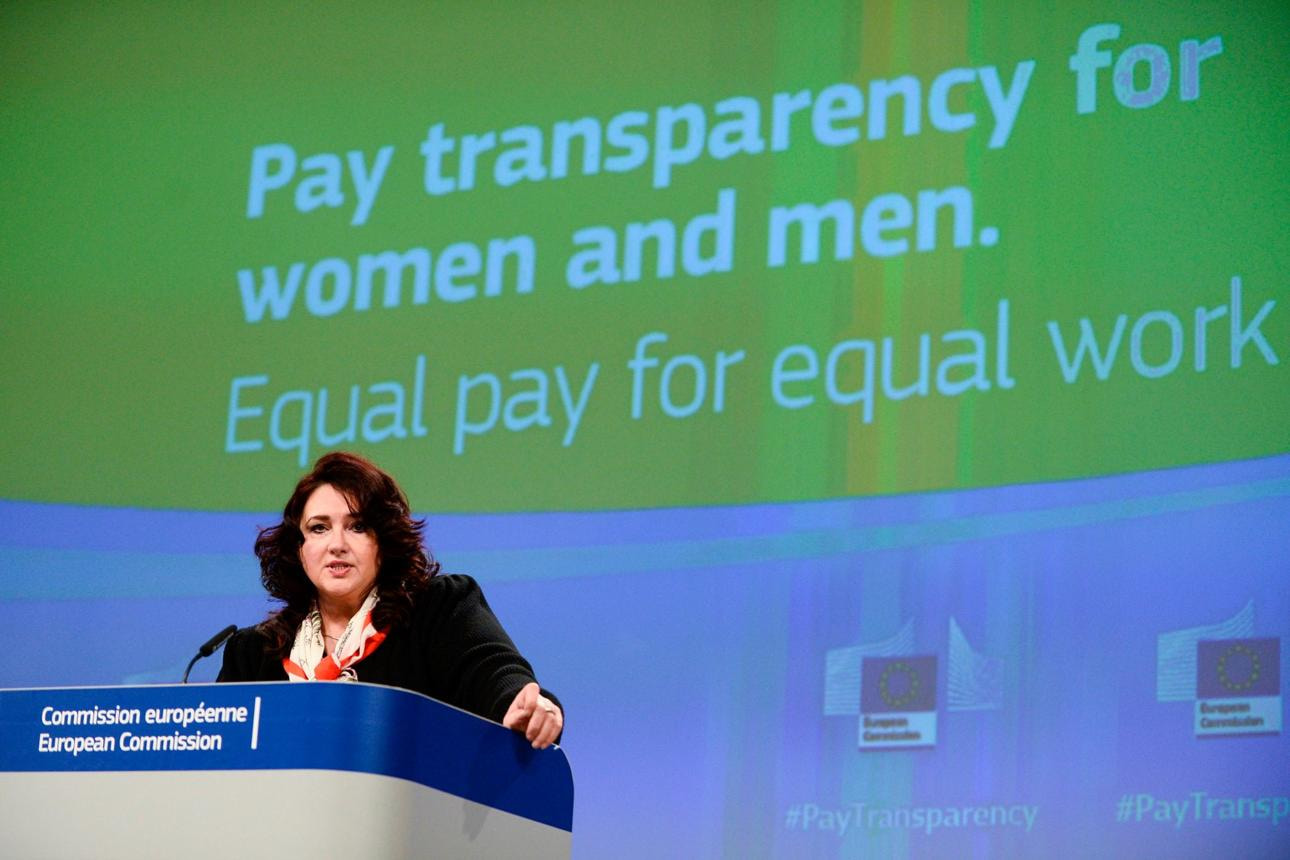
The directive is one of the most consequential pieces of employment law the Union has passed in years. It gives workers the right to know the pay ranges for the jobs they apply for, bans employers from asking candidates about their salary history, and outlaws the contract clauses that forbid staff from discussing what they earn. The aim is to drag pay out of the shadows where inequality tends to hide.
Its sharpest teeth are in the reporting rules. From 2027, employers with 150 or more workers in a single member state must publish the gap between what they pay men and women, using full-year data from 2026, and break it down by category of worker. Smaller firms follow later. The obligation makes pay a matter of public record rather than private negotiation.
Where a gap of five per cent or more in any category cannot be justified by objective, gender-neutral criteria, and is not fixed within six months of a report, the directive requires the employer to act, working with worker representatives to close the difference. It is a rare European rule that specifies not only disclosure but remedy.
The missed deadline does not pause any of that. Lawyers advising multinationals stress that the obligations flow from the European text, so companies cannot treat a government’s delay as their own reprieve. Because the first reports will draw on pay data from across 2026, employers that wait for national legislation before auditing their payrolls may find the reference year already slipping past them.
The four states that met the deadline have handed their employers a head start and a template. The rest face a scramble to legislate while businesses on their territory try to comply with rules that are not yet fully written into local law, an awkward gap that invites confusion and legal risk.
The Commission has signalled little patience for foot-dragging on a file it treats as central to gender equality. Its guidance on equal pay frames transparency as the precondition for everything else. For workers who have long suspected they earn less than the colleague at the next desk, the coming months will decide whether that suspicion can finally be tested against published numbers.