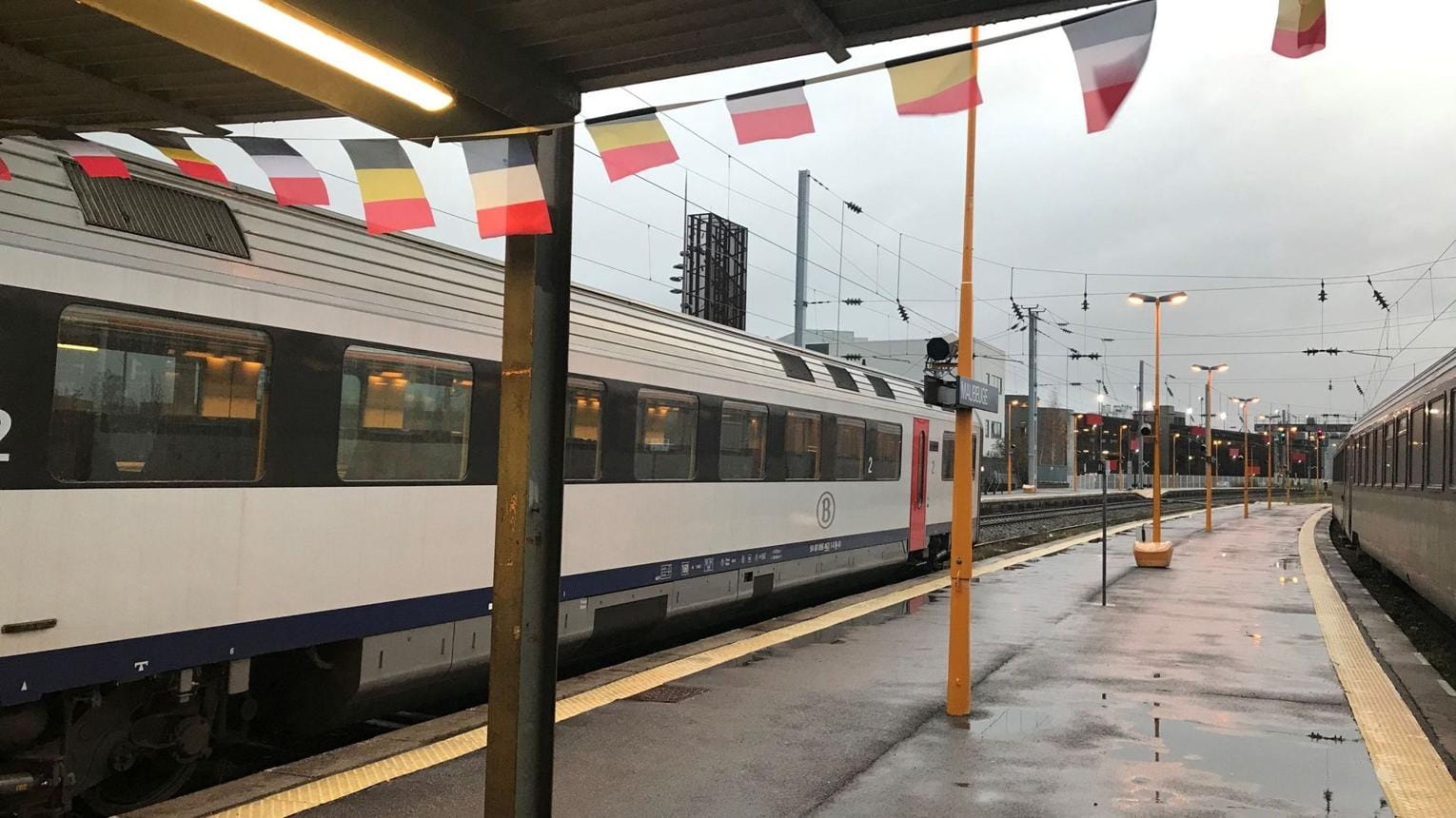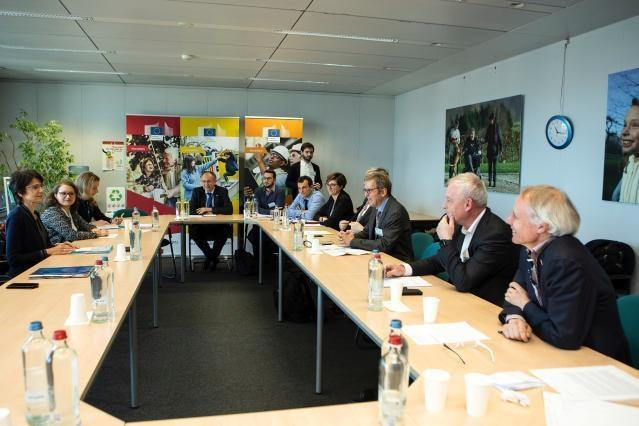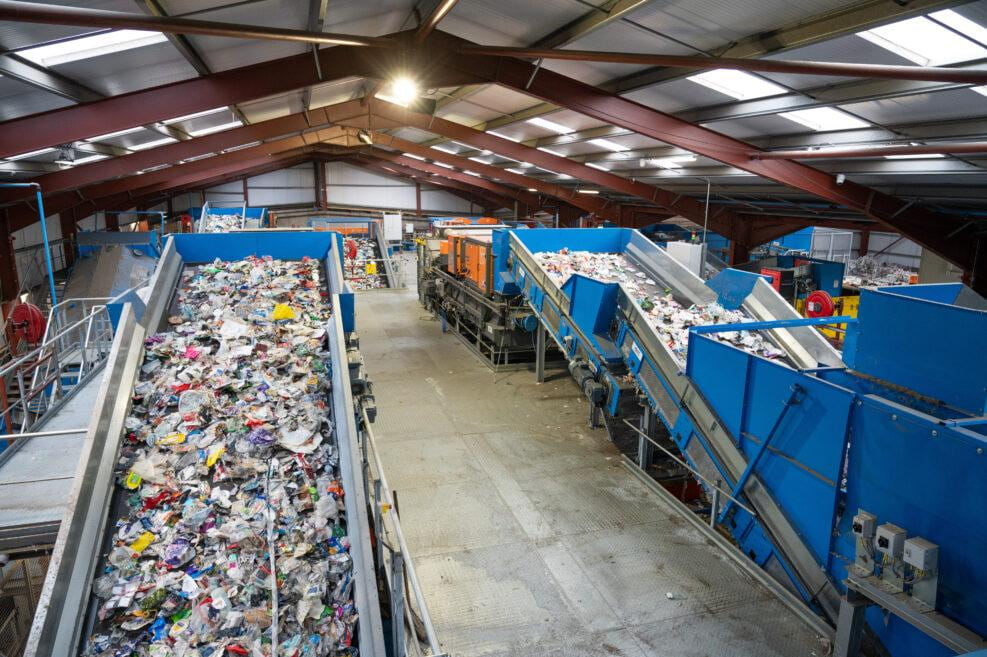
Rotterdam: A new phase of the Union’s overhauled waste-trade rulebook took hold this spring, tightening the conditions under which plastic and other waste can cross borders and pushing the whole system onto a single digital platform. The revised Waste Shipment Regulation, adopted in 2024, began applying its central obligations from 21 May, reshaping the paperwork and the politics behind one of the continent’s least visible trades.
The headline change targets plastic. From 21 May, all exports of plastic waste to countries outside the Union require prior informed consent, the formal notify-and-approve procedure previously reserved for hazardous and other notified waste. In practice that means a European exporter can no longer simply load a container of mixed plastic for a distant recycler; the destination country’s authorities must be told and must agree in advance. The measure follows years of scandal over European scrap piling up in South-East Asia, and it is designed to keep waste inside jurisdictions that can genuinely process it.
Inside the single market the regulation pulls in the opposite direction, streamlining rather than restricting. A simplified consent process is meant to speed approvals when member-state authorities handle shipments of notified waste between one another, and a fast-track procedure rewards facilities that have been pre-consented for recovery. The intent is to make it easier to recycle waste within Europe while making it harder to dump it beyond the Union’s edge, a balance the Commission frames as the core of a working circular economy.
Ports such as Rotterdam sit at the centre of that shift, since a large share of the bloc’s waste flows through the North Sea gateways before heading onward. The launch of the Digital Waste Shipment System, known as DIWASS, moves the notifications, consents and tracking of these movements online, replacing a patchwork of national paperwork. The Commission estimates the digital switch will save operators and authorities around 1.4 million euros a year in administrative costs, while giving regulators a clearer view of what is moving and where.
The transition is not instant. Recognising that operators need time to adapt, the Union agreed a flexible arrangement for so-called green-listed waste, the lower-risk material that dominates legitimate recycling flows, allowing the older paper-based procedure to continue until the end of December. Only after that will the electronic system become the sole route.
Why the rules matter goes beyond compliance costs. Waste is a resource as much as a burden, and the secure circulation of scrap metal, paper and plastic feeds the secondary-materials supply that European industry increasingly relies on as it tries to cut its dependence on imported raw materials. Tighter export rules also carry an environmental-justice dimension, closing the escape valve that let richer economies offload their disposal problems onto poorer ones.
Enforcement will now test the design. Customs and environmental inspectors must police the new consent requirements against operators who have long treated waste borders as porous, and the coming months will show whether the digital net catches what the paper one missed.