August 9, 2026
LATEST
New EU Gas Market Rules Take Effect With Consumer SafeguardsDeforestation Regulation Holds Its December Deadline Despite CutsDigital Omnibus Delays Europe’s High-Risk AI Deadline to 2027Europe’s Schools Confront a Widening Basic Skills GapRule of Law Report Finds Progress but Trust Still LagsIRIS2 Gains 66 Satellites as Brussels Signs the Rollout DealNature Restoration Plans Come Due as Member States Race a DeadlineECB Rates Hold at 2.25 Percent as Frankfurt Waits on the DataEU Budget Talks Turn to Cohesion as Ireland Takes OverWildfire Response Stretches Europe’s Emergency Fleet ThinCan Europe’s Quantum Plan Match Its Big Ambitions?Armenia Edges West as Moscow’s Grip Slips AwayEurope Inherits the World’s Aid Bill It Cannot Fully PayAir Passenger Rights Get Their First Overhaul in Two DecadesErasmus Opens a 5 Billion Euro Round for Skills and MobilityCeuta Crisis Pushes the EU Toward Faster Migrant ReturnsBulky Parcels Face a Packaging Crackdown From August 12Can Europe Build Its Drone Wall Before 2030 Arrives?Indonesia’s Trade Deal With Europe Nears Its Final SignatureEurope Leans on Beijing to Keep Climate Talks Alive Before AntalyaNew EU Gas Market Rules Take Effect With Consumer SafeguardsDeforestation Regulation Holds Its December Deadline Despite CutsDigital Omnibus Delays Europe’s High-Risk AI Deadline to 2027Europe’s Schools Confront a Widening Basic Skills GapRule of Law Report Finds Progress but Trust Still LagsIRIS2 Gains 66 Satellites as Brussels Signs the Rollout DealNature Restoration Plans Come Due as Member States Race a DeadlineECB Rates Hold at 2.25 Percent as Frankfurt Waits on the DataEU Budget Talks Turn to Cohesion as Ireland Takes OverWildfire Response Stretches Europe’s Emergency Fleet ThinCan Europe’s Quantum Plan Match Its Big Ambitions?Armenia Edges West as Moscow’s Grip Slips AwayEurope Inherits the World’s Aid Bill It Cannot Fully PayAir Passenger Rights Get Their First Overhaul in Two DecadesErasmus Opens a 5 Billion Euro Round for Skills and MobilityCeuta Crisis Pushes the EU Toward Faster Migrant ReturnsBulky Parcels Face a Packaging Crackdown From August 12Can Europe Build Its Drone Wall Before 2030 Arrives?Indonesia’s Trade Deal With Europe Nears Its Final SignatureEurope Leans on Beijing to Keep Climate Talks Alive Before Antalya
August 9, 2026
LATEST
New EU Gas Market Rules Take Effect With Consumer SafeguardsDeforestation Regulation Holds Its December Deadline Despite CutsDigital Omnibus Delays Europe’s High-Risk AI Deadline to 2027Europe’s Schools Confront a Widening Basic Skills GapRule of Law Report Finds Progress but Trust Still LagsIRIS2 Gains 66 Satellites as Brussels Signs the Rollout DealNature Restoration Plans Come Due as Member States Race a DeadlineECB Rates Hold at 2.25 Percent as Frankfurt Waits on the DataEU Budget Talks Turn to Cohesion as Ireland Takes OverWildfire Response Stretches Europe’s Emergency Fleet ThinCan Europe’s Quantum Plan Match Its Big Ambitions?Armenia Edges West as Moscow’s Grip Slips AwayEurope Inherits the World’s Aid Bill It Cannot Fully PayAir Passenger Rights Get Their First Overhaul in Two DecadesErasmus Opens a 5 Billion Euro Round for Skills and MobilityCeuta Crisis Pushes the EU Toward Faster Migrant ReturnsBulky Parcels Face a Packaging Crackdown From August 12Can Europe Build Its Drone Wall Before 2030 Arrives?Indonesia’s Trade Deal With Europe Nears Its Final SignatureEurope Leans on Beijing to Keep Climate Talks Alive Before AntalyaNew EU Gas Market Rules Take Effect With Consumer SafeguardsDeforestation Regulation Holds Its December Deadline Despite CutsDigital Omnibus Delays Europe’s High-Risk AI Deadline to 2027Europe’s Schools Confront a Widening Basic Skills GapRule of Law Report Finds Progress but Trust Still LagsIRIS2 Gains 66 Satellites as Brussels Signs the Rollout DealNature Restoration Plans Come Due as Member States Race a DeadlineECB Rates Hold at 2.25 Percent as Frankfurt Waits on the DataEU Budget Talks Turn to Cohesion as Ireland Takes OverWildfire Response Stretches Europe’s Emergency Fleet ThinCan Europe’s Quantum Plan Match Its Big Ambitions?Armenia Edges West as Moscow’s Grip Slips AwayEurope Inherits the World’s Aid Bill It Cannot Fully PayAir Passenger Rights Get Their First Overhaul in Two DecadesErasmus Opens a 5 Billion Euro Round for Skills and MobilityCeuta Crisis Pushes the EU Toward Faster Migrant ReturnsBulky Parcels Face a Packaging Crackdown From August 12Can Europe Build Its Drone Wall Before 2030 Arrives?Indonesia’s Trade Deal With Europe Nears Its Final SignatureEurope Leans on Beijing to Keep Climate Talks Alive Before Antalya

Private Jets Win a Green Label as Court Overturns EU Ban

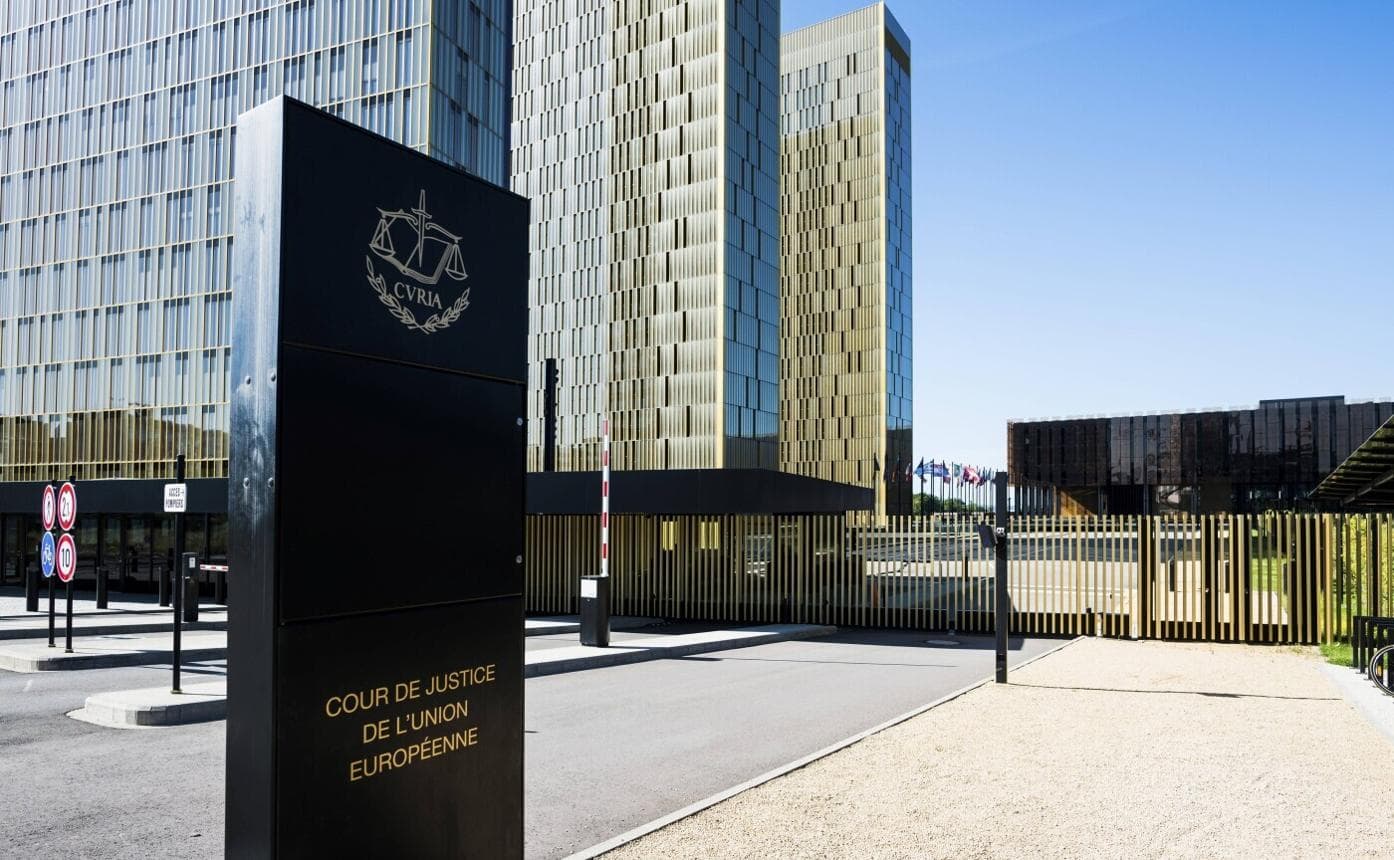
Toulouse: A European court has struck down the exclusion of business-aviation aircraft manufacturing from the bloc’s sustainable finance taxonomy, handing planemakers a victory that environmental campaigners view with alarm. The General Court ruled this month that barring private and commercial business jets from the list of so-called transitional activities was unlawful, reopening a contentious question about what counts as a green investment.

The taxonomy is the bloc’s rulebook for labelling economic activities as environmentally sustainable, a classification that steers capital by telling investors which projects align with climate goals. Transitional activities are those that help cut emissions where fully clean alternatives do not yet exist. In 2023 the Commission excluded aircraft built for private or business aviation from that category, reasoning that their carbon dioxide emissions per passenger kilometre compared poorly with other modes of transport.

The French manufacturer Dassault Aviation challenged the decision, calling it unlawful, and the court agreed. Its reasoning drew a careful distinction that could echo through future taxonomy disputes. The judges noted that the carbon footprint in question relates to the operation of aircraft, not their manufacture, so penalising the act of building them conflated two different things. They added that the Commission had failed to account for the possibility that private jets could be flown on sustainable aviation fuel, which would alter their emissions profile.

The court also rejected the assumption that other modes of transport are automatically low-carbon substitutes for business aviation. Private jets, it observed, offer particular characteristics in flexibility, speed and connectivity that ordinary alternatives cannot match, making a simple per-passenger comparison misleading. On that basis it annulled the exclusion, lifting a barrier that had complicated access to green-labelled financing for the sector.

For manufacturers, the ruling is more than symbolic. A taxonomy label can influence the cost and availability of capital, and exclusion risked steering sustainability-minded investors away. Dassault welcomed the annulment as a correction of an unfair penalty, arguing that manufacturing innovation and cleaner fuels deserve recognition rather than blanket condemnation.

Environmental groups see it differently, warning that granting any green imprimatur to private jets, among the most carbon-intensive ways to travel per passenger, risks hollowing out the credibility of a system designed to channel money toward genuinely sustainable activity. They fear the decision could open the door to further challenges that chip away at the taxonomy’s stringency, turning a tool for climate ambition into a contested battleground.

The Commission may still appeal, leaving the final word uncertain. Whatever the outcome, the case underscores how fraught the task of defining sustainability has become, and how much rides on the fine print. As Europe leans on private finance to fund its climate transition, every line drawn in the taxonomy carries weight, and this ruling has redrawn one of the more controversial among them.