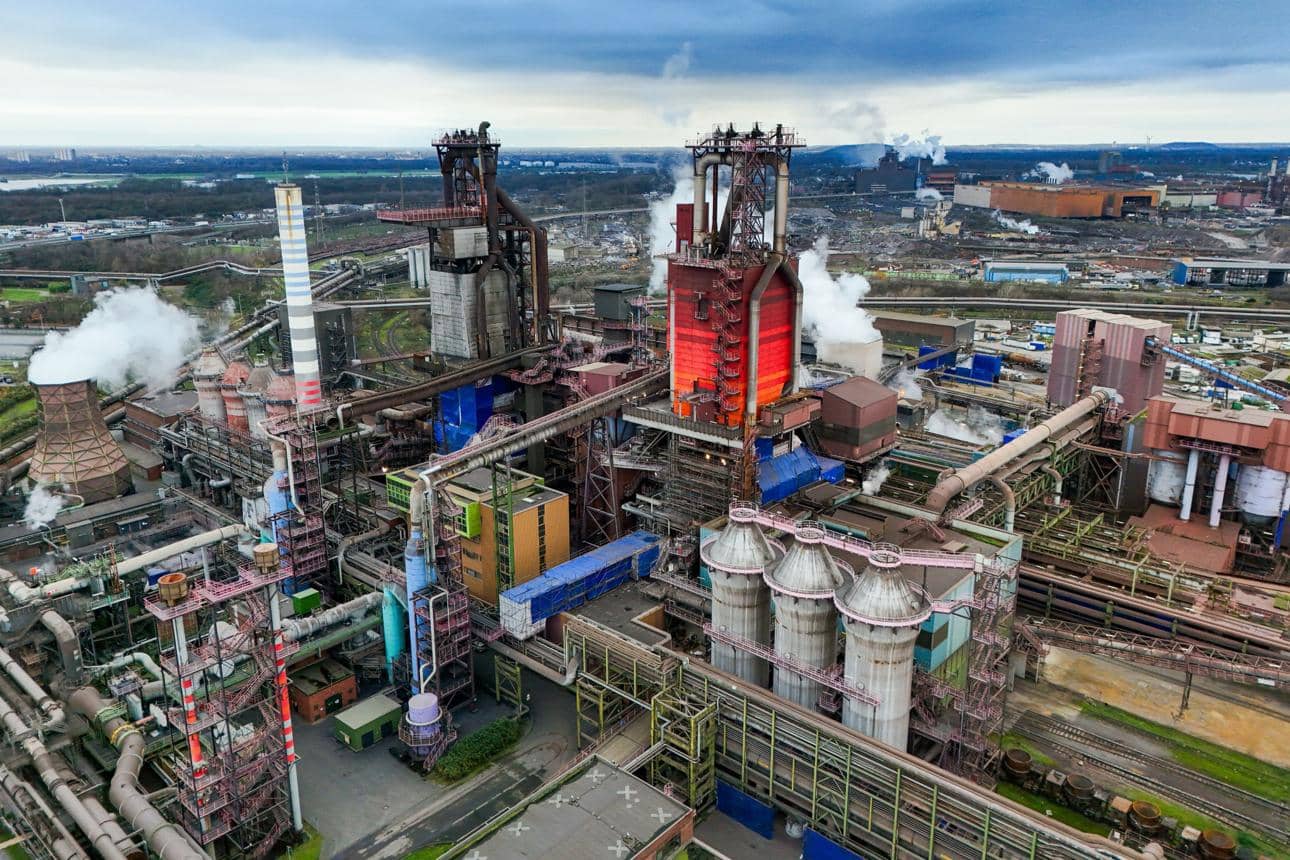
Duisburg: From the sprawling inland port that funnels containers between the North Sea and Europe’s industrial heart, the fate of a single directive has become an unlikely test of the bloc’s green ambitions. Operators here want Brussels to update the rules that reward shifting freight off the road and onto rail and water. The Commission wants to scrap the update altogether.
At issue is the Combined Transport Directive, a decades-old law that offers incentives when goods travel most of their journey by freight rail, barge or ship and cover only the short first and last legs by truck. Combined transport is central to Europe’s plan to cut emissions from moving goods, yet the current rules are widely seen as outdated and too weak to shift much cargo.
The Commission proposed a revision to sharpen those incentives, then listed the plan for withdrawal in its 2026 work programme, judging that talks had stalled beyond rescue. That decision set off an unusual revolt. The European Parliament rejected the withdrawal, insisting the file stay alive, and rail bodies mounted what one described as a last-ditch effort through the spring to save it.
For the freight sector the stakes are concrete. Rail and barge operators argue that without stronger, clearer incentives, hauliers will keep defaulting to the road, where costs are lower and logistics simpler. Every container that stays on a truck, they contend, undercuts the climate targets the same institutions have signed up to elsewhere.
The dispute also feeds into the Commission’s wider Greening Freight Package, which bundles a revision of the rules on lorry weights and dimensions, a regulation on how railway capacity is shared and a common method for counting transport emissions. Combined transport was meant to be the connective tissue linking those pieces, and its supporters fear that dropping it would leave the whole strategy weaker. The Commission’s transport pages describe the network the freight is supposed to travel.
The Commission’s reluctance is not hard to read. Member states disagreed sharply over the original proposal, and officials saw little prospect of a compromise worth the political effort. Reviving a file that governments could not agree on risks months of negotiation for an uncertain payoff.
Yet the Parliament’s stand has forced the question back open, and the rail industry has seized the opening. Their argument is that abandoning the revision sends exactly the wrong signal at a moment when Europe claims to want more goods off congested, polluting motorways.
For Duisburg, where trains and barges already carry a large share of the traffic, the outcome is more than symbolic. A stronger directive could pull yet more freight through its terminals. A quiet withdrawal would confirm the fear that Europe’s green freight ambitions, for all the rhetoric, keep losing to the convenience of the open road.