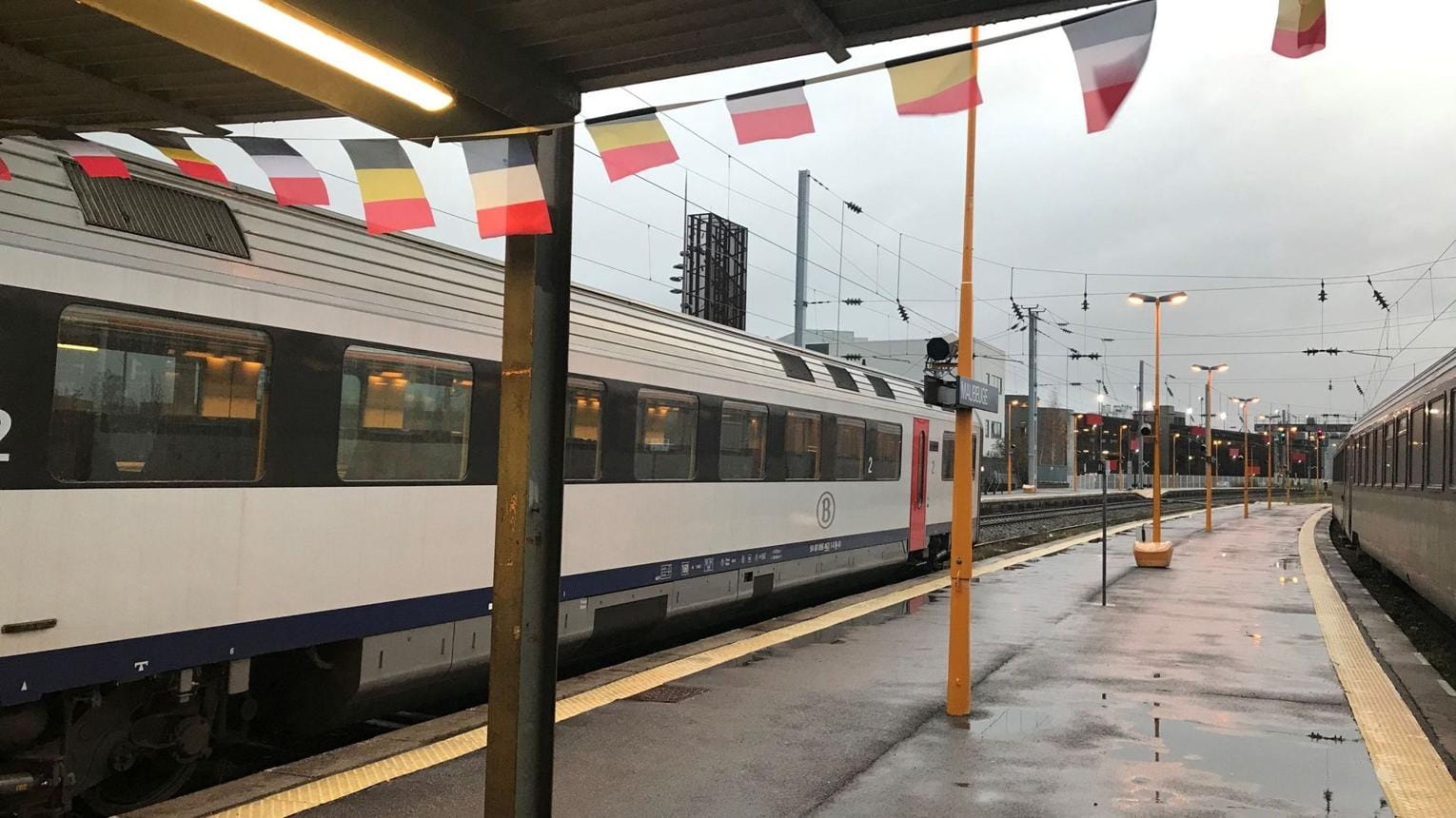
Valenciennes: From its base in this northern French rail town, the European Union Agency for Railways carries a mandate far larger than its budget, and a fresh review says the mismatch is starting to show. The assessment calls for a stronger, better-resourced agency if Europe wants trains to cross borders as freely as trucks already do.
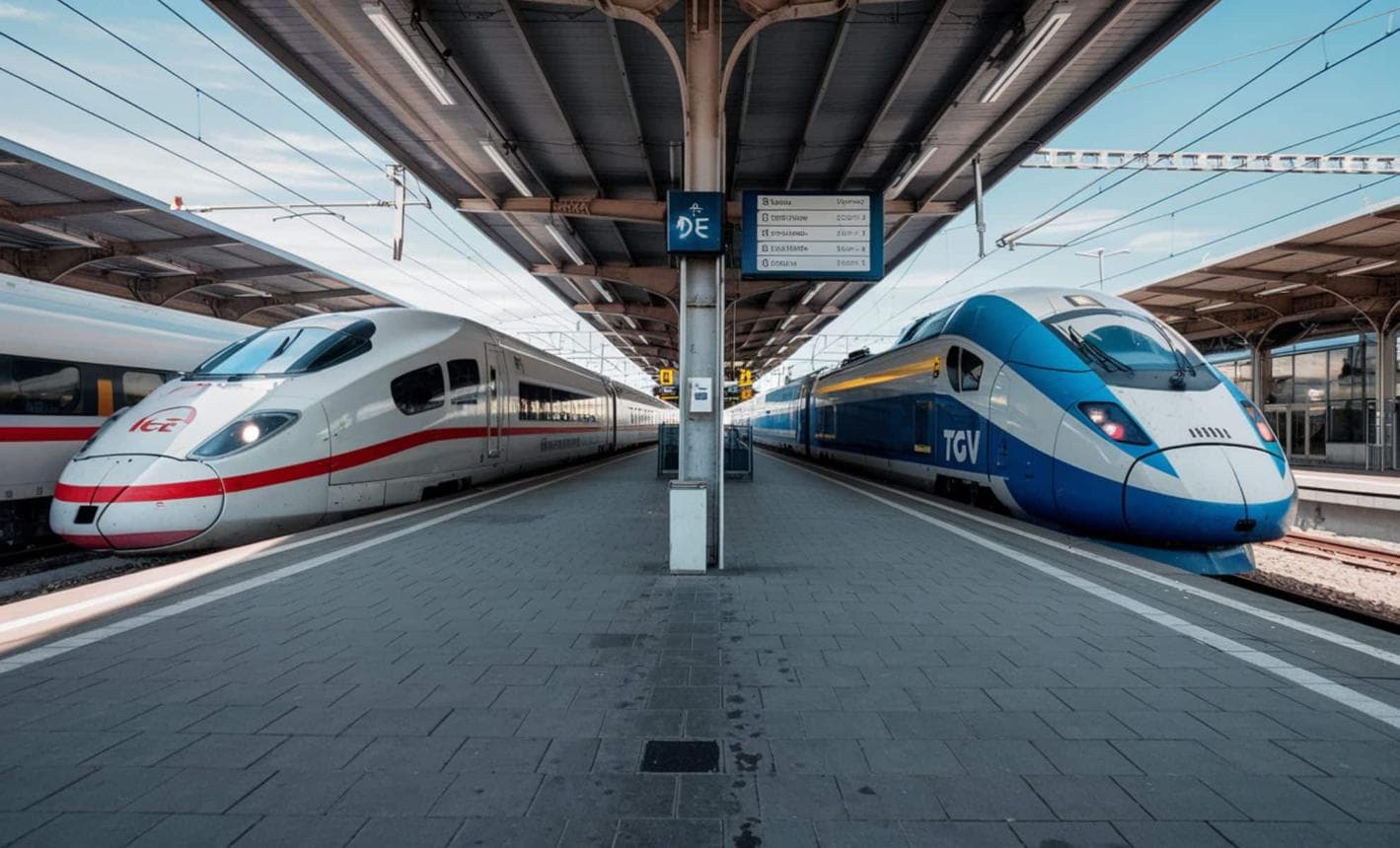
The agency sits at the heart of a stubborn problem. Europe runs a patchwork of national rail systems, each with its own signalling, safety rules and technical quirks, and a train that glides through one country can grind to a halt at the next frontier. The agency’s job is to harmonise those rules and issue the single safety certificates and vehicle authorisations that let operators run across the continent.
That work has grown faster than the resources behind it. As more operators seek EU-wide approvals and the bloc pushes rail as the low-carbon answer to short-haul flights and road freight, the agency’s caseload has swelled. The review, reported by industry press, warns that without more staff and money the body cannot keep pace with the demand it was created to serve. The trade outlet Railway PRO summarised the call for reinforcement.
The timing fits a wider push. Brussels has made a single European railway area a centrepiece of its transport and climate plans, betting that seamless cross-border trains can pull passengers off planes and freight off motorways. That vision collapses if a locomotive certified in France still needs months of paperwork to run in Germany or Poland.
The agency has already dragged the sector toward common standards, most visibly through the European Train Control System that aims to replace dozens of incompatible national signalling setups. But rolling that system across tens of thousands of kilometres of track takes decades and vast investment, and member states move at very different speeds.
Supporters of a beefed-up agency argue that the economics are simple. Every delay at a border, every duplicated safety check and every incompatible signal adds cost and time that make rail less competitive against the road and air rivals it is meant to replace. A stronger central body, they say, pays for itself by unlocking a genuinely continental market.
Sceptics counter that pouring resources into a Valenciennes office does not lay a single metre of track, and that the real bottleneck lies with national governments reluctant to cede control of systems they have run for a century. Harmonised rules mean little, they note, if a member state drags its feet on implementing them at home.
The review lands as the EU prepares its next long-term budget, a fight in which every agency must justify its share. Rail advocates will press the case that a borderless network needs a referee with the authority and the funding to enforce common rules.
For now, the trains still stop at the invisible lines where one nation’s system ends and another’s begins. Whether the agency gains the muscle to erase those lines will shape how Europeans move for a generation.