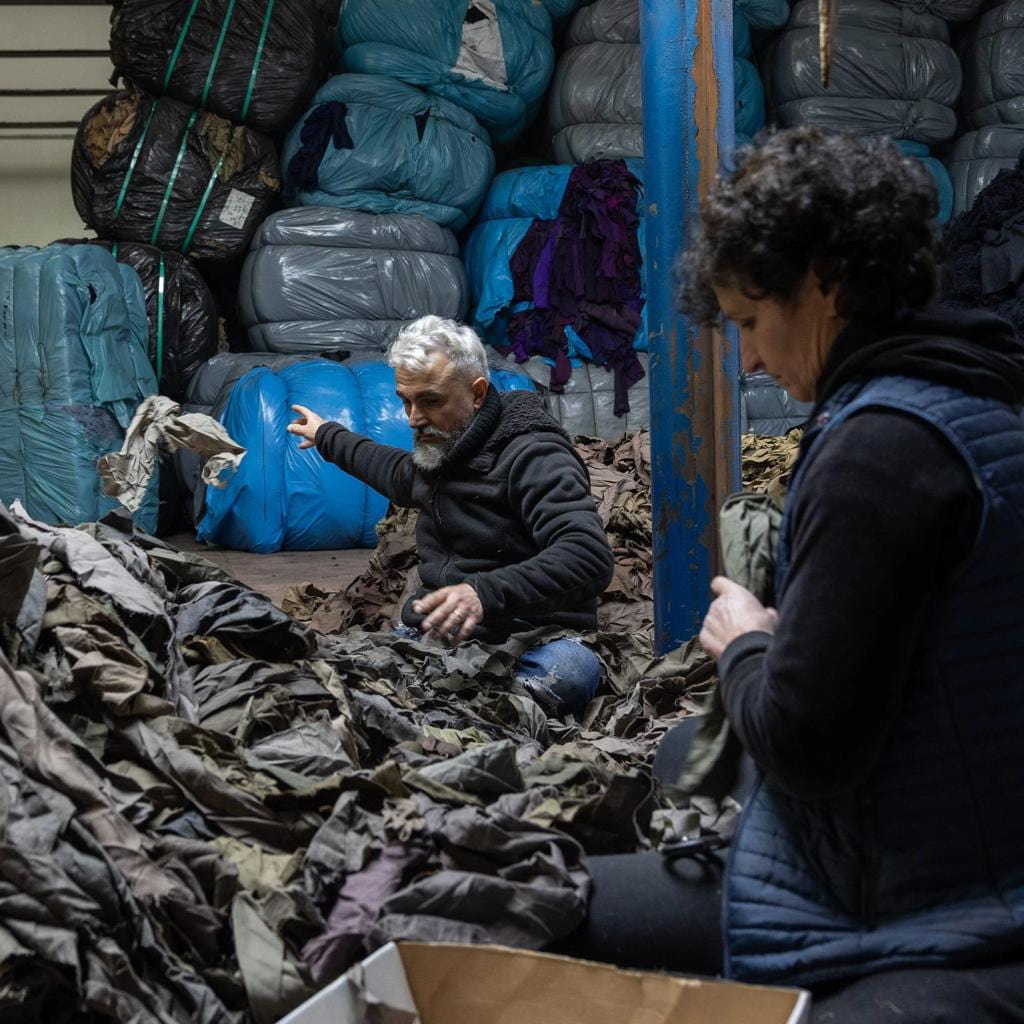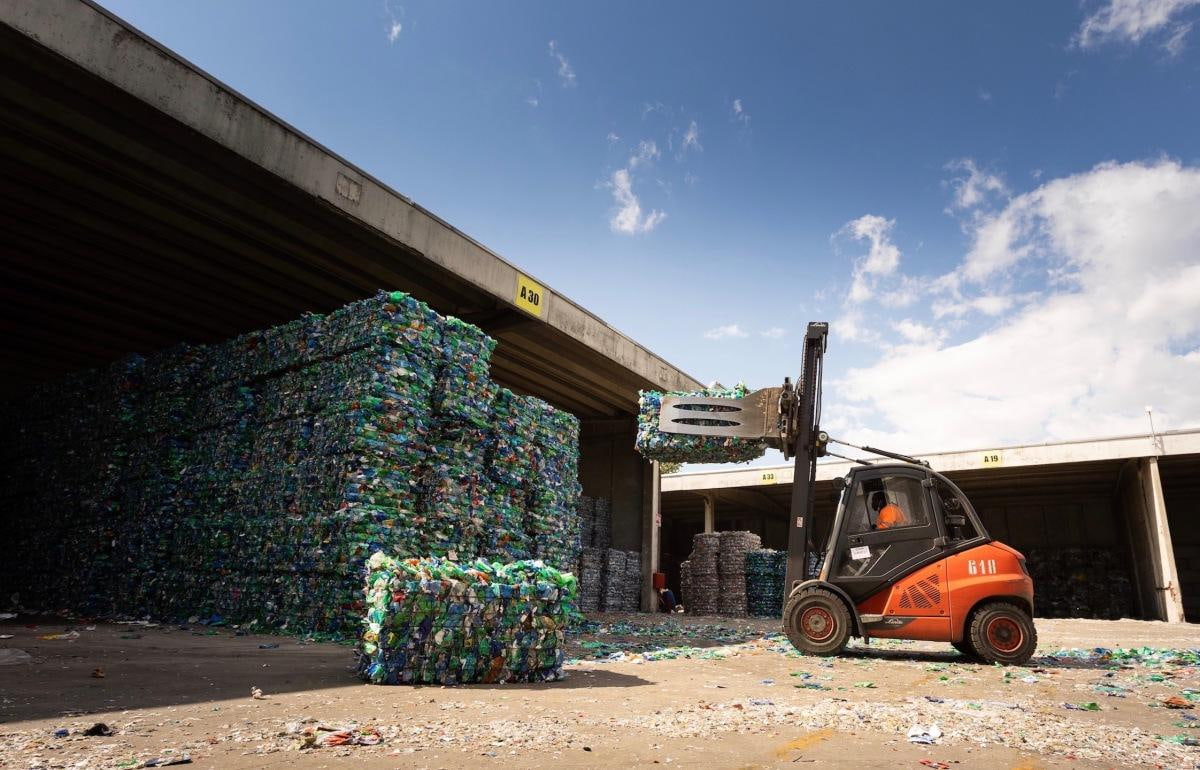
Terni: A bale of shredded polymer leaving an Umbrian sorting plant can cross into Austria as a product or as a waste shipment, and which of the two it becomes depends on the inspector who opens the paperwork. Recyclers have complained about that coin flip for a decade. The Commission has promised to end it with a Circular Economy Act, and the calendar says the proposal lands in the third quarter of 2026.
The quarter is nearly over. Companies that invested in chemical recycling capacity on the strength of the announcement now budget for a fourth-quarter text at best, and a 2027 negotiation that runs straight into the next budget fight.
The core problem is legal, not technical. Each capital applies its own end-of-waste criteria, so material that Spain treats as a secondary raw material can arrive in Poland as controlled waste. That single divergence adds permits, storage costs and insurance to every cross-border load. The Commission opened a public consultation in August 2025 and heard the same complaint from almost every processor that answered.
Harmonised end-of-waste rules top the draft agenda. Officials also want mandatory recycled content in more product groups, because supply alone has never created demand. Recyclers argue the reverse causality bites hardest: without a buyer obliged to take recyclate, nobody builds the plant that would make it cheap.
The numbers explain the urgency. Europe’s circular material use rate sat at 12.2 percent in 2024, and the Commission wants 24 percent by 2030. Doubling a rate in six years demands that the material moves, and right now it moves badly. Virgin plastic remains cheaper than recyclate across most grades, a gap that widened when oil prices fell.
Industry lobbies disagree about the remedy. Packaging producers want recycled-content targets written product by product, with long lead times. Waste managers want the shipment rules fixed first and the targets later, arguing that quotas on a broken market simply import recyclate from outside the Union.
Parliament’s research service has already mapped the fault lines in a briefing that treats the Act less as environmental law than as industrial policy. That framing matters. Filed under the Clean Industrial Deal, the Act competes for attention with steel safeguards and energy prices, and it inherits the same reflex toward simplification that has thinned other green files this term.
There is also a quieter question about who pays for collection. Extended producer responsibility schemes vary so widely that a drinks bottle funds three different systems depending on where a consumer drops it. The Act will not rebuild those schemes, but it will expose how little they resemble one another.
Until the text arrives, the Umbrian bale keeps its ambiguous status. Plants across the Union hold material they cannot classify with confidence, and financiers price that uncertainty into every loan. A single market for secondary raw materials remains a phrase in a work programme rather than a rule anyone can cite at a border post.