Porto: Europe’s biggest investment pot is being quietly repurposed for an age of insecurity. Under the mid-term review of cohesion policy, member states have agreed to redirect 34.6 billion euros from the 2021-2027 budget toward the bloc’s most pressing strategic priorities, a reallocation that pulls regional development money toward defence, advanced technology and housing and away from its traditional mission of narrowing the gap between rich and poor regions.
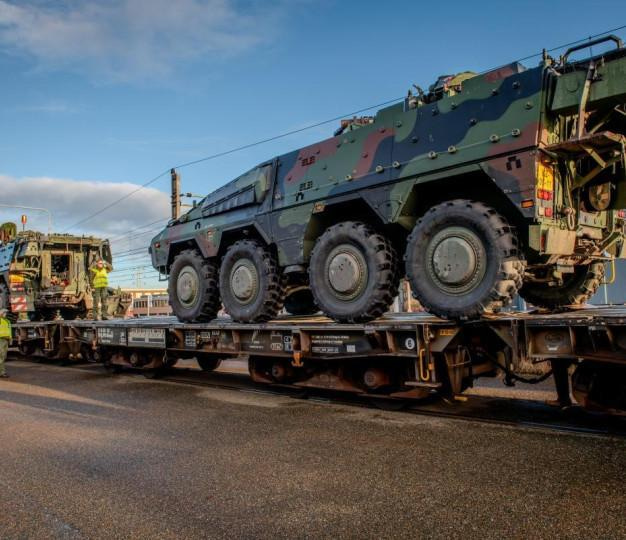
The breakdown reveals the new political weather. The largest slice, 15.2 billion euros, goes to competitiveness through critical technologies, innovation and skills. Another 11.9 billion is earmarked for defence industrial capacity, military mobility and civil preparedness, a category that barely featured in cohesion spending a few years ago. A further 3.3 billion targets affordable and sustainable housing, responding to a cost-of-living crisis felt acutely in cities, and 3.1 billion goes to water resilience.
To encourage the shift, the Commission has dangled financial carrots. Reprogrammed funds benefit from higher pre-financing, and where a programme devotes at least 15 percent of its allocation to the new priorities it earns bonus pre-financing and an extra year of eligibility, until the end of 2030. Some projects can now draw up to 100 percent EU financing, a generous rate designed to overcome national reluctance to move money at speed.
The uptake has been brisk. Since the co-legislators adopted the proposal in September 2025, the Commission has approved amendments to 186 national and regional programmes across 25 member states, evidence that capitals were eager to unlock flexibility even at the cost of bending cohesion’s original purpose.
That bending is exactly what worries critics. Cohesion policy was built to reduce disparities between Europe’s regions, channelling money to poorer areas in the south and east so they could catch up. Redirecting billions toward defence and frontier technology risks favouring wealthier, more industrialised regions that already host the relevant firms and bases, potentially widening the very gaps the policy exists to close. Opponents in the European Parliament have warned that the review threatens to turn a long-term development tool into an emergency toolbox, reached for whenever a new crisis demands cash.
Supporters respond that cohesion cannot stay frozen while the continent’s security environment is transformed. A war on Europe’s eastern flank, supply-chain shocks and a housing squeeze are, they argue, precisely the kind of territorial challenges the policy should address, and leaving tens of billions locked into pre-pandemic plans would be its own failure.
The reallocation also previews a larger fight. Negotiations over the EU’s next long-term budget are already exposing tensions over how much money should remain ring-fenced for regions and how much should flow to pan-European priorities decided centrally. The mid-term review, by showing how readily cohesion funds can be repointed, hands ammunition to both camps. What began as a technical update has become a test of what Europe’s flagship investment policy is ultimately for.