August 9, 2026
LATEST
New EU Gas Market Rules Take Effect With Consumer SafeguardsDeforestation Regulation Holds Its December Deadline Despite CutsDigital Omnibus Delays Europe’s High-Risk AI Deadline to 2027Europe’s Schools Confront a Widening Basic Skills GapRule of Law Report Finds Progress but Trust Still LagsIRIS2 Gains 66 Satellites as Brussels Signs the Rollout DealNature Restoration Plans Come Due as Member States Race a DeadlineECB Rates Hold at 2.25 Percent as Frankfurt Waits on the DataEU Budget Talks Turn to Cohesion as Ireland Takes OverWildfire Response Stretches Europe’s Emergency Fleet ThinCan Europe’s Quantum Plan Match Its Big Ambitions?Armenia Edges West as Moscow’s Grip Slips AwayEurope Inherits the World’s Aid Bill It Cannot Fully PayAir Passenger Rights Get Their First Overhaul in Two DecadesErasmus Opens a 5 Billion Euro Round for Skills and MobilityCeuta Crisis Pushes the EU Toward Faster Migrant ReturnsBulky Parcels Face a Packaging Crackdown From August 12Can Europe Build Its Drone Wall Before 2030 Arrives?Indonesia’s Trade Deal With Europe Nears Its Final SignatureEurope Leans on Beijing to Keep Climate Talks Alive Before AntalyaNew EU Gas Market Rules Take Effect With Consumer SafeguardsDeforestation Regulation Holds Its December Deadline Despite CutsDigital Omnibus Delays Europe’s High-Risk AI Deadline to 2027Europe’s Schools Confront a Widening Basic Skills GapRule of Law Report Finds Progress but Trust Still LagsIRIS2 Gains 66 Satellites as Brussels Signs the Rollout DealNature Restoration Plans Come Due as Member States Race a DeadlineECB Rates Hold at 2.25 Percent as Frankfurt Waits on the DataEU Budget Talks Turn to Cohesion as Ireland Takes OverWildfire Response Stretches Europe’s Emergency Fleet ThinCan Europe’s Quantum Plan Match Its Big Ambitions?Armenia Edges West as Moscow’s Grip Slips AwayEurope Inherits the World’s Aid Bill It Cannot Fully PayAir Passenger Rights Get Their First Overhaul in Two DecadesErasmus Opens a 5 Billion Euro Round for Skills and MobilityCeuta Crisis Pushes the EU Toward Faster Migrant ReturnsBulky Parcels Face a Packaging Crackdown From August 12Can Europe Build Its Drone Wall Before 2030 Arrives?Indonesia’s Trade Deal With Europe Nears Its Final SignatureEurope Leans on Beijing to Keep Climate Talks Alive Before Antalya
August 9, 2026
LATEST
New EU Gas Market Rules Take Effect With Consumer SafeguardsDeforestation Regulation Holds Its December Deadline Despite CutsDigital Omnibus Delays Europe’s High-Risk AI Deadline to 2027Europe’s Schools Confront a Widening Basic Skills GapRule of Law Report Finds Progress but Trust Still LagsIRIS2 Gains 66 Satellites as Brussels Signs the Rollout DealNature Restoration Plans Come Due as Member States Race a DeadlineECB Rates Hold at 2.25 Percent as Frankfurt Waits on the DataEU Budget Talks Turn to Cohesion as Ireland Takes OverWildfire Response Stretches Europe’s Emergency Fleet ThinCan Europe’s Quantum Plan Match Its Big Ambitions?Armenia Edges West as Moscow’s Grip Slips AwayEurope Inherits the World’s Aid Bill It Cannot Fully PayAir Passenger Rights Get Their First Overhaul in Two DecadesErasmus Opens a 5 Billion Euro Round for Skills and MobilityCeuta Crisis Pushes the EU Toward Faster Migrant ReturnsBulky Parcels Face a Packaging Crackdown From August 12Can Europe Build Its Drone Wall Before 2030 Arrives?Indonesia’s Trade Deal With Europe Nears Its Final SignatureEurope Leans on Beijing to Keep Climate Talks Alive Before AntalyaNew EU Gas Market Rules Take Effect With Consumer SafeguardsDeforestation Regulation Holds Its December Deadline Despite CutsDigital Omnibus Delays Europe’s High-Risk AI Deadline to 2027Europe’s Schools Confront a Widening Basic Skills GapRule of Law Report Finds Progress but Trust Still LagsIRIS2 Gains 66 Satellites as Brussels Signs the Rollout DealNature Restoration Plans Come Due as Member States Race a DeadlineECB Rates Hold at 2.25 Percent as Frankfurt Waits on the DataEU Budget Talks Turn to Cohesion as Ireland Takes OverWildfire Response Stretches Europe’s Emergency Fleet ThinCan Europe’s Quantum Plan Match Its Big Ambitions?Armenia Edges West as Moscow’s Grip Slips AwayEurope Inherits the World’s Aid Bill It Cannot Fully PayAir Passenger Rights Get Their First Overhaul in Two DecadesErasmus Opens a 5 Billion Euro Round for Skills and MobilityCeuta Crisis Pushes the EU Toward Faster Migrant ReturnsBulky Parcels Face a Packaging Crackdown From August 12Can Europe Build Its Drone Wall Before 2030 Arrives?Indonesia’s Trade Deal With Europe Nears Its Final SignatureEurope Leans on Beijing to Keep Climate Talks Alive Before Antalya

Regions Hand Back Cohesion Cash to Fund Defence and Housing

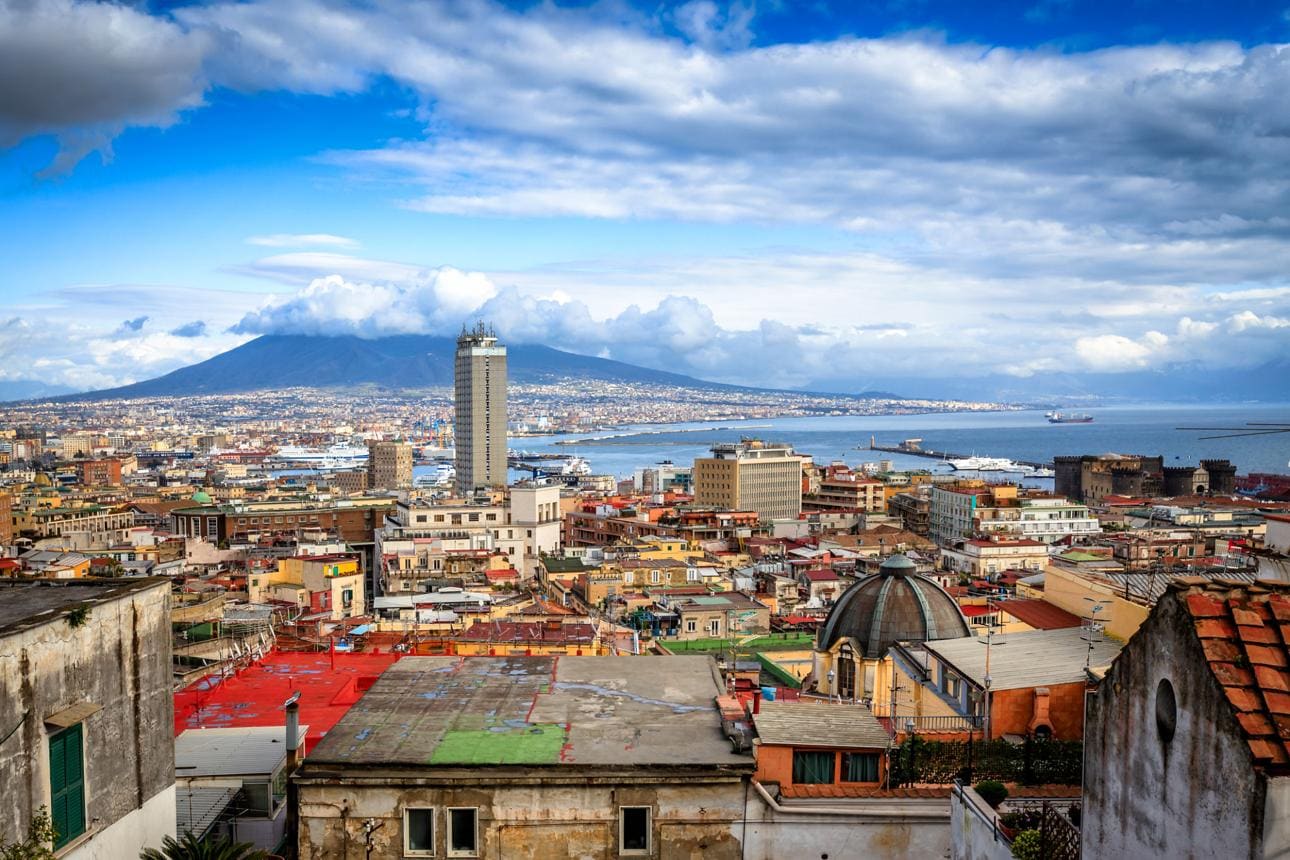
Naples: Cohesion policy, the Union’s long-standing machine for narrowing the gap between rich and poor regions, is being quietly repurposed. Under the mid-term review of the 2021 to 2027 funds, member states have amended 186 national and regional programmes and redirected 34.6 billion euro toward a new set of priorities. The money that once flowed almost automatically to roads, broadband and business support in lagging regions is increasingly being pointed at defence, competitiveness and housing.

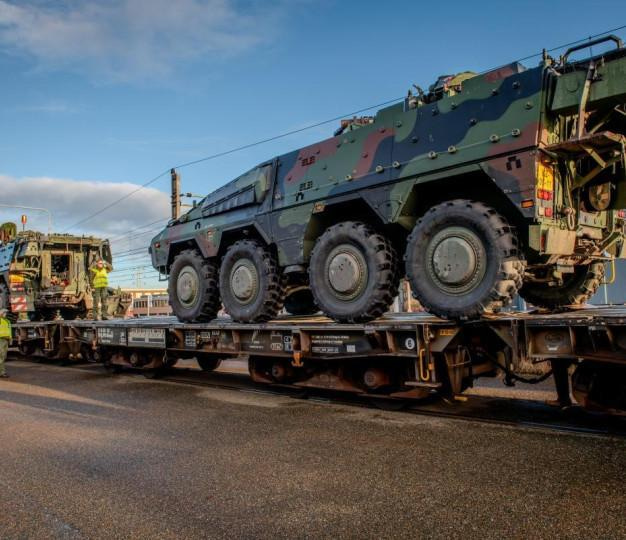
The breakdown tells the story. Some 15.2 billion euro has been steered to competitiveness and 11.9 billion to defence, with a further 3.3 billion for housing, 3.1 billion for water resilience and 1.2 billion for energy security. To encourage the shift, programmes that channel their flexibility reserves into these areas receive higher pre-financing and, where at least 15 percent of an allocation is committed, up to 100 percent financing from the Union budget and an extra year to spend it.

The geography of the response is revealing. Poland, Italy, Spain, Portugal, Germany and Greece made the greatest use of the new flexibilities, while much of the money in Nordic and eastern countries bordering Russia, Belarus and Ukraine was redirected toward defence and military mobility. For a southern city like Naples, where cohesion funds have underwritten infrastructure and jobs for a generation, the pivot raises an uncomfortable question about whether development money will still reach the places it was designed to lift.

Supporters argue the flexibility is overdue. A budget conceived before war returned to the continent and before an energy shock rewrote the cost of living cannot stay frozen in its original categories. Letting regions move money toward preparedness, housing and industrial strength, they say, keeps cohesion policy relevant rather than watching it fund yesterday’s plans while today’s crises go unanswered.

Critics see something more troubling. Members of the European Parliament from the Greens have warned that the review risks turning cohesion into an emergency toolbox, raided whenever a new priority appears, at the expense of its founding purpose of reducing regional inequality. Each euro moved to defence, they note, is a euro not spent closing the gap between a prosperous core and a struggling periphery.

The debate is a preview of a larger fight. In its proposal for the 2028 to 2034 budget, the Commission wants to fold cohesion, agriculture, migration and security into single national and regional partnership plans, tying disbursement to national reforms. Regional authorities fear this would centralise decisions in capitals and hollow out the local voice that has defined the policy. The mid-term reallocation shows how quickly priorities can move once the rules allow it. Whether cohesion survives as a tool for solidarity or becomes a flexible reserve for whatever the moment demands is now the question hanging over the next budget.