Katowice: The mid-term review of cohesion policy was billed as a technical exercise in housekeeping. It has turned into one of the largest voluntary reallocations of regional money the Union has seen, with member states amending 186 national and regional programmes and steering 34.6 billion euros toward priorities that barely featured when the current budget period was designed.
The mechanism behind the shift is the flexibility reserve, a portion of the funds for 2026 and 2027 that capitals were invited to redirect toward newer challenges in exchange for generous incentives. Programmes that channel the reserve into the agreed priorities qualify for higher pre-financing and, in some cases, up to 100 percent EU co-financing. Those that devote at least 15 percent of their allocation to the new objectives earn a bonus tranche of pre-financing and an extra year of eligibility, stretching their spending window to the end of 2030. The carrots were calibrated to move money, and they did.
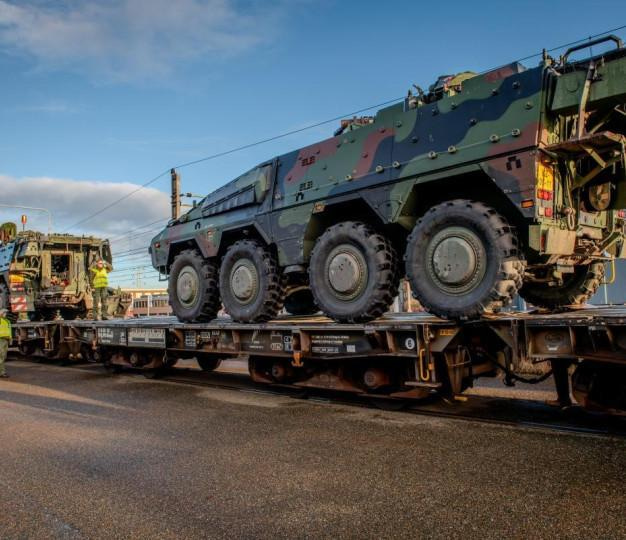
Where the money has gone reveals how sharply the political weather has changed. The single largest tranche, some 15.2 billion euros, flows to competitiveness, much of it routed through the Strategic Technologies for Europe Platform and aimed at clean technology, innovation and skills, with the support now open to enterprises of any size. Close behind sits 11.9 billion earmarked for defence capabilities, military mobility and civil preparedness, a category that would have been almost unthinkable as a cohesion-policy line item only a few years ago. Smaller envelopes follow: 3.3 billion for affordable and sustainable housing, 3.1 billion for water resilience, and 1.2 billion for energy security and industrial decarbonisation.
The reorientation has not been universally welcomed. Cohesion policy was conceived to narrow the gap between richer and poorer regions, and some local authorities and members of the Parliament worry that money pulled toward defence and competitiveness will thin the resources available for the convergence work that remains unfinished in many eastern and southern regions. The reallocation toward defence in particular, with around 12 billion euros moved across the bloc, has prompted questions about whether a fund built for regional development should be financing military mobility at all.
Defenders of the review counter that cohesion policy has always evolved with the Union’s needs, and that a regional fund indifferent to security, energy shocks and the housing crisis would quickly lose its relevance and its political support. The new priorities, they argue, are precisely the ones citizens feel most acutely, and routing them through programmes already embedded in regions is faster than building new instruments from scratch.
The deeper significance is what the review says about the next budget. The post-2027 framework is already being negotiated, and the mid-term reallocation reads as a preview of the arguments to come: how much flexibility to grant capitals, how tightly to tie regional money to bloc-wide strategic goals, and whether the founding promise of convergence can coexist with an agenda increasingly shaped by competitiveness and defence. The 34.6 billion already moved is a substantial down payment on that debate.