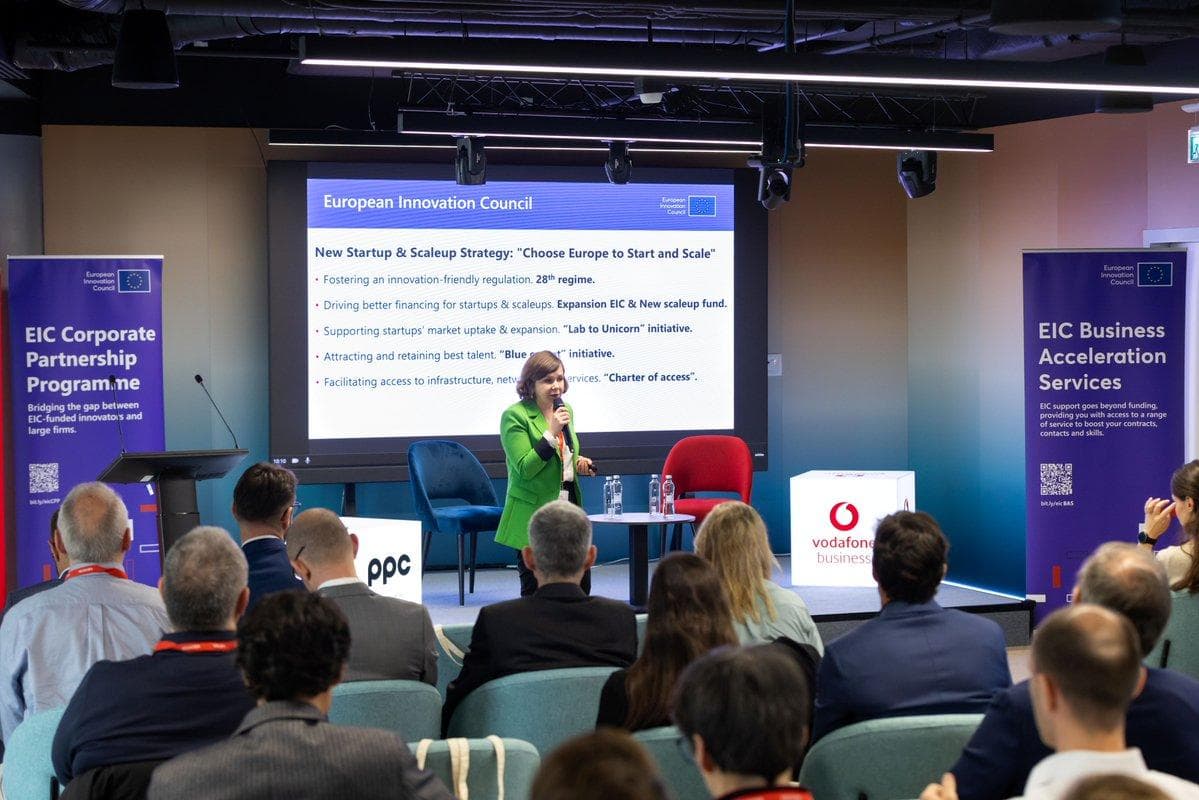
Riga: The Union’s largest investment policy is quietly being rewired in mid-flight. Cohesion funding, the roughly one-third of the long-term budget devoted to narrowing the gap between rich and poor regions, was designed years ago around priorities that now feel like a different era. Faced with war on its eastern flank, an energy shock and a competitiveness scare, the Commission has spent the past year coaxing member states to bend their existing programmes toward more urgent ends, and the mid-term review completed this spring shows how far the money has already moved.
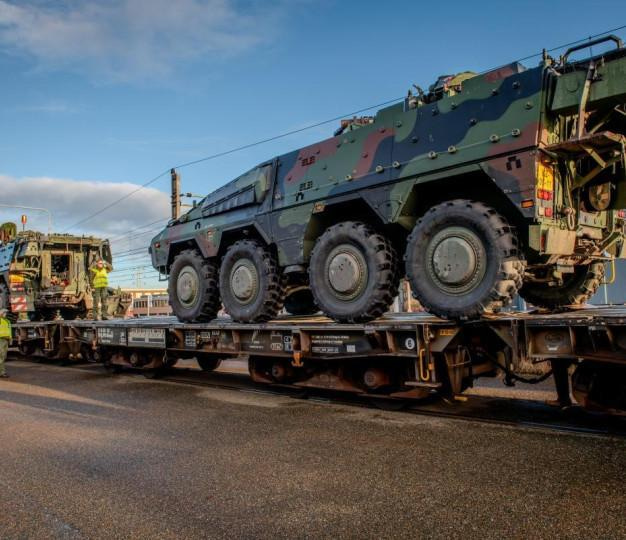
The headline is striking for a policy usually associated with slow, formula-driven spending. Following the review, the Commission approved amendments to 186 national and regional programmes across twenty-five member states, redirecting some €34.6 billion toward a revised list of strategic priorities. Those priorities read like a summary of the continent’s anxieties: competitiveness and clean-tech industry, defence and security, support for regions along the eastern border, affordable housing, water resilience and the energy transition. Cohesion policy, in other words, is being asked to double as an instrument of geopolitics.
The mechanics of the shift matter as much as the totals. Rather than compel reallocation, the Commission dangled incentives. Programmes that move at least fifteen percent of their envelope toward the new priorities can unlock an extra 4.5 percent in up-front financing, with a richer nine and a half percent on offer for the eastern border regions living closest to the security threat. Simplified rules and extended implementation deadlines sweeten the deal. The design reflects a hard lesson from previous cycles, that regions starved of cash flow will not embrace reform, and that flexibility bought with pre-financing buys cooperation.
For the regions themselves, the reprogramming is a double-edged gift. Money redirected toward defence-adjacent infrastructure or grid upgrades is money not spent on the classic cohesion staples of roads, training schemes and small-business grants that many poorer areas were counting on. Managing authorities in the Baltic and central-European states, closest to the new strategic map, have generally welcomed the change; others fret that a policy built to reduce disparities is being repurposed to serve Union-wide goals that may not track local need. The tension between territorial solidarity and strategic priority runs through every amended programme.
The review is also a rehearsal for a larger fight. As the Commission drafts the next long-term budget covering 2028 to 2034, the future shape of cohesion policy is contested terrain. Proposals to fold regional funding into broader national plans, steered more tightly from the centre, alarm regional governments and the Parliament’s cohesion bloc, who see decades of place-based, locally governed investment at risk of being absorbed into a single negotiating envelope with capitals. This spring’s mid-course corrections are being scrutinised as evidence for how that argument should go.
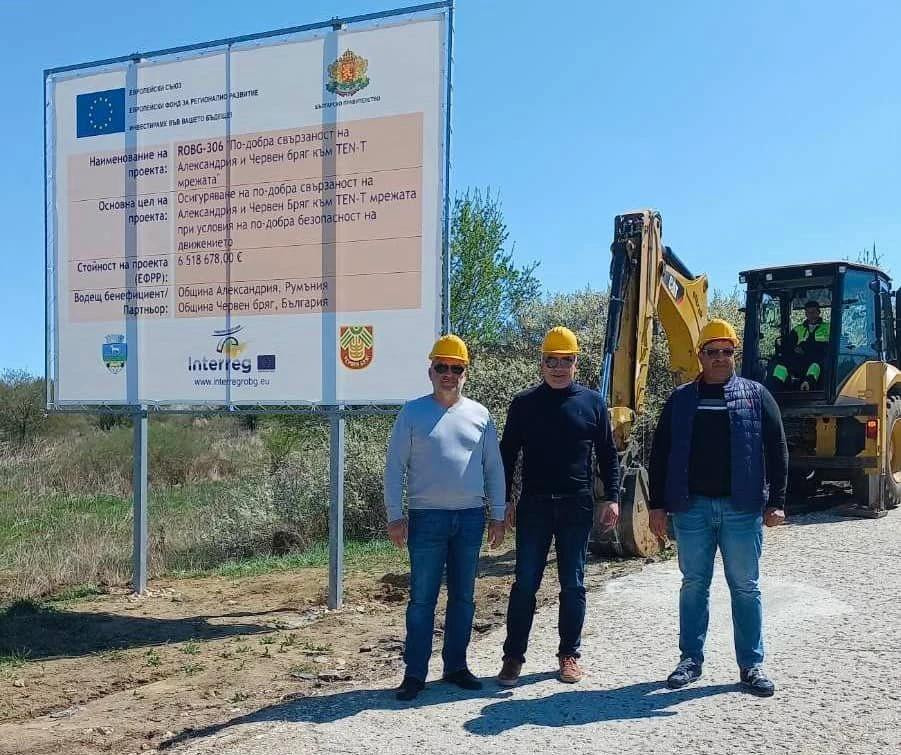
What the exercise demonstrates, above all, is that a policy once caricatured as rigid can move when the incentives are right. Whether that flexibility is a virtue or a warning depends on where one sits. From a strategic vantage, cohesion policy has shown welcome agility. From a region that expected its allocation to build a bypass or a training centre, the same agility looks like the ground shifting underfoot.