Katowice: In Poland’s old coal heartland, where the slow pivot from mining to manufacturing has been financed in no small part by European money, the rules governing that money have just been rewritten in the middle of the game. The result is one of the largest reallocations of cohesion funding in the policy’s history.
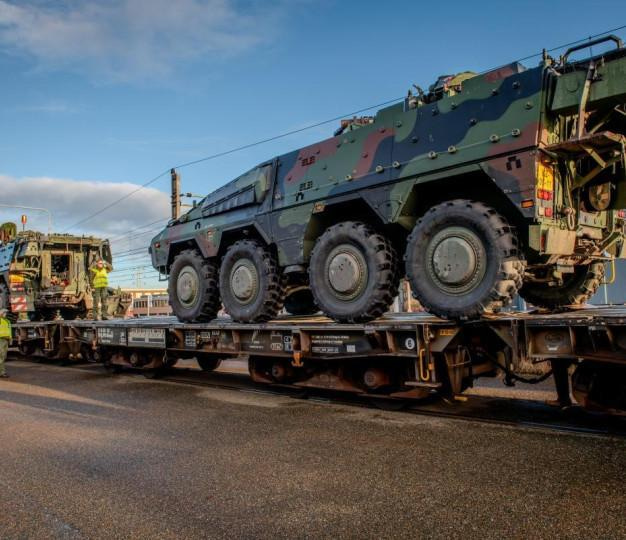
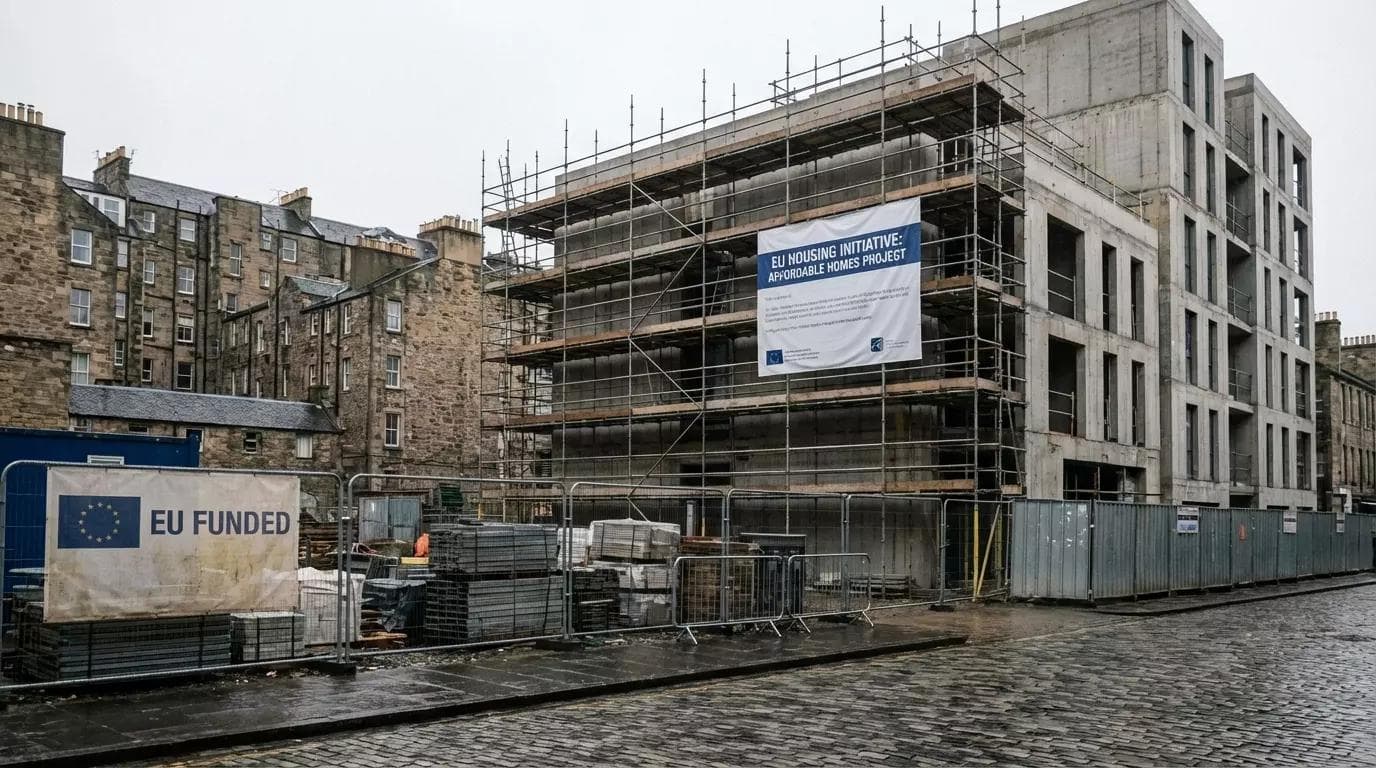
The Commission published the results of the mid-term review of cohesion policy on 25 March 2026, confirming that just under 35 billion euros had been redirected by member states and regions toward a new set of priorities. The exercise, agreed between the Council and Parliament the previous summer, allowed governments to revisit spending plans drawn up at the start of the 2021 to 2027 period and shift resources toward challenges that have moved sharply up the political agenda since: defence and security, support for regions on the Union’s eastern border, affordable housing, secure access to water, and the energy transition.
At the heart of the mechanism is a flexibility reserve corresponding to half of the funds programmed for 2026 and 2027. By placing such a large slice of remaining money into a pot that can be steered toward emerging needs, the review hands national and regional authorities unusual freedom to respond to a security environment and a cost-of-living squeeze that looked very different when the original programmes were designed. Commissioner Raffaele Fitto has been explicit that regional funds can be mobilised to help address the energy crisis, an interpretation that would have seemed unorthodox only a few years ago.
For regions like this one, the flexibility is double-edged. The freedom to fund housing or border infrastructure is welcome to authorities facing acute local pressures. But the original purpose of cohesion policy was to narrow the economic gap between richer and poorer parts of the Union, and some worry that money once earmarked for long-term regional development is being repurposed as a crisis fund. Critics in the Parliament have warned that the mid-term review risks turning cohesion into an emergency toolbox, raided whenever a new priority emerges, at the expense of the patient investment in roads, skills and infrastructure that lagging regions still need.
The defenders of the overhaul make a pragmatic case. Cohesion policy is one of the few large, flexible pools of investment the Union controls, and leaving tens of billions locked to plans drafted before the current security and affordability shocks would have been its own kind of failure. Money unspent or spent on outdated priorities, they argue, serves no region well.
The review also offers a preview of a deeper change to come. For the 2028 to 2034 budget, the Commission has proposed folding cohesion, agriculture, migration and security spending into a single framework built around national and regional partnership plans. That structure would give member-state capitals far greater control over how European funds are allocated within their borders, a prospect that alarms regional governments and city authorities who fear being sidelined. Negotiating positions from the Parliament and Council are expected toward the end of this year.
For now, the immediate effect is visible in the choices regions are making with their reallocated billions. Whether that money builds the houses, secures the water and strengthens the borders its new labels promise, or simply papers over crises while the original development gaps persist, will shape the argument over what cohesion policy is actually for.