Riga: Europe’s biggest investment pot, long devoted to closing the gap between rich and poor regions, is being quietly rewired toward tanks, barracks and military roads. Member states have already reallocated around 12 billion euros from cohesion programmes to defence.
The shift flows from the mid-term review of cohesion policy, which unlocked a flexibility reserve worth roughly half of all funds for 2026 and 2027 and attached generous incentives to a short list of new priorities. Programmes that steer money toward defence and security, eastern border regions, affordable and social housing, water resilience, the energy transition or cities can claim higher pre-financing and, in some cases, up to 100 percent EU co-financing. Devote at least 15 percent of an allocation to these themes and a programme earns bonus advances plus an extra year of eligibility, to the end of 2030.
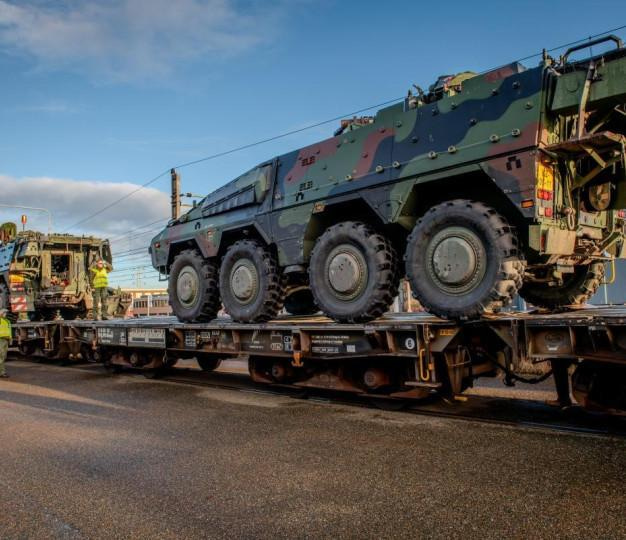
Defence has proved the most popular destination, already accounting for about a third of the reprogrammed money, much of it aimed at military mobility corridors that would move troops and equipment eastward in a crisis. For frontline states from the Baltic to the Black Sea, that is the point: cohesion money is being repurposed as a security investment in regions that feel most exposed.
The trade-offs are real and contested. Critics, including Green members of the Parliament and some regional bodies, warn that turning cohesion into an emergency toolbox erodes its founding mission of reducing disparities and hands national governments too much discretion to raid funds earmarked for poorer areas. Supporters reply that security is itself a precondition for development, and that flexibility lets regions respond to a transformed geopolitical map rather than spend against a plan written in calmer times. There are also questions of absorption. Some regions struggle to spend their existing allocations on time, and bolting on new defence and housing objectives could either accelerate disbursement or scatter it across too many goals to be effective. Auditors will be watching whether speed comes at the expense of value, and whether poorer regions end up subsidising priorities chosen in wealthier capitals.
What comes next is the harder argument over the post-2027 budget, where the Commission favours national plans that would centralise control further still. Regional authorities, wary of being sidelined, are pushing to keep a direct voice. The 12 billion already moved is a preview of that fight: cohesion policy is being asked to do more jobs at once, and not everyone agrees which should come first.