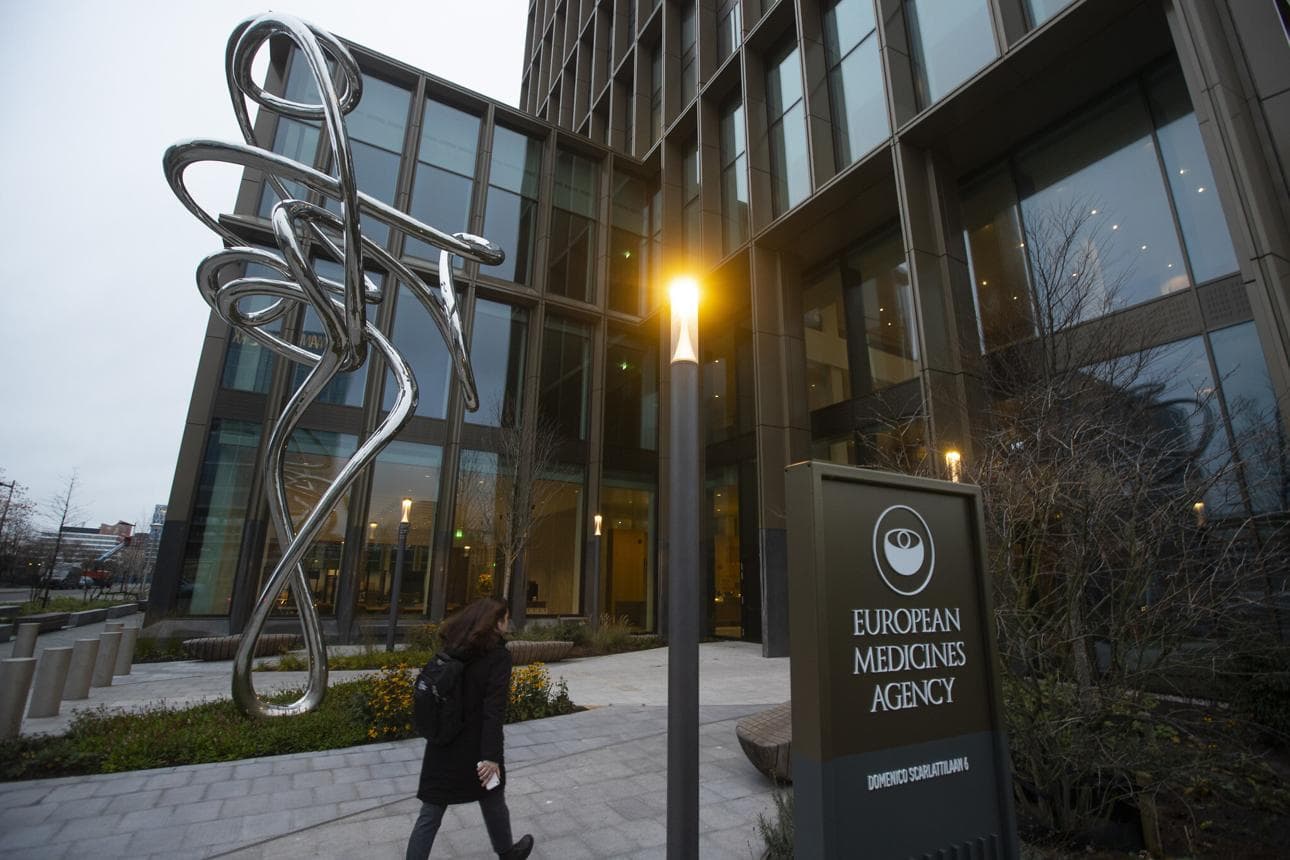
Amsterdam: From its riverside headquarters the bloc’s medicines regulator issued its latest verdict on which treatments doctors may soon prescribe. Its expert committee cleared six new products at its June meeting, a batch that spans diabetes, Parkinson’s disease and the annual fight against influenza. The recommendations move each drug a step closer to market, and each fresh medicine approval widens the shelf of options.
One decision stands out for the sheer number of people it could touch. The committee backed a once-weekly insulin for adults with type 2 diabetes, a formulation that replaces daily jabs with a single shot. For patients who dread the needle, the change promises a gentler routine and, doctors hope, steadier control of blood sugar.
The panel also endorsed a new flu vaccine aimed at people aged fifty and older, the group that fills hospital beds each winter. A separate treatment tackles the motor swings that torment patients with advanced Parkinson’s disease, offering relief when standard tablets no longer hold the tremors at bay.
Two of the six are biosimilars, near-copies of biological drugs whose patents have lapsed. These cheaper rivals matter far beyond the pharmacy counter, because they force down the price of expensive therapies and stretch strained health budgets. Every biosimilar that clears the regulator hands national systems more room to treat more people.
A positive opinion is not the final word. The recommendations now pass to the Commission, which grants the formal licence that lets the medicines reach pharmacies across the member states. That step usually follows within weeks, though national pricing talks can delay the moment a patient actually receives the drug.
The approvals land as the bloc pushes to shore up its supply of essential medicines. Lawmakers struck a deal this spring on a Critical Medicines Act meant to cut reliance on distant factories and blunt the shortages that have emptied shelves of antibiotics and painkillers. Fresh approvals mean little if the pills cannot be made close to home.
The committee meets again in July, and the queue of candidates keeps lengthening. Each session sifts promising science from the merely hopeful, weighing benefit against risk before a single prescription is written. For patients waiting on a breakthrough, the quiet work in Amsterdam decides how soon relief arrives.
Patient groups have pressed regulators to move faster without cutting corners on safety, a balance that grows harder as science accelerates. Gene therapies, cancer drugs and vaccines now crowd the pipeline, each demanding careful scrutiny of thin trial data. The committee’s steady drumbeat of approvals shows a system trying to keep pace with medicine’s quickening pulse.