August 9, 2026
LATEST
New EU Gas Market Rules Take Effect With Consumer SafeguardsDeforestation Regulation Holds Its December Deadline Despite CutsDigital Omnibus Delays Europe’s High-Risk AI Deadline to 2027Europe’s Schools Confront a Widening Basic Skills GapRule of Law Report Finds Progress but Trust Still LagsIRIS2 Gains 66 Satellites as Brussels Signs the Rollout DealNature Restoration Plans Come Due as Member States Race a DeadlineECB Rates Hold at 2.25 Percent as Frankfurt Waits on the DataEU Budget Talks Turn to Cohesion as Ireland Takes OverWildfire Response Stretches Europe’s Emergency Fleet ThinCan Europe’s Quantum Plan Match Its Big Ambitions?Armenia Edges West as Moscow’s Grip Slips AwayEurope Inherits the World’s Aid Bill It Cannot Fully PayAir Passenger Rights Get Their First Overhaul in Two DecadesErasmus Opens a 5 Billion Euro Round for Skills and MobilityCeuta Crisis Pushes the EU Toward Faster Migrant ReturnsBulky Parcels Face a Packaging Crackdown From August 12Can Europe Build Its Drone Wall Before 2030 Arrives?Indonesia’s Trade Deal With Europe Nears Its Final SignatureEurope Leans on Beijing to Keep Climate Talks Alive Before AntalyaNew EU Gas Market Rules Take Effect With Consumer SafeguardsDeforestation Regulation Holds Its December Deadline Despite CutsDigital Omnibus Delays Europe’s High-Risk AI Deadline to 2027Europe’s Schools Confront a Widening Basic Skills GapRule of Law Report Finds Progress but Trust Still LagsIRIS2 Gains 66 Satellites as Brussels Signs the Rollout DealNature Restoration Plans Come Due as Member States Race a DeadlineECB Rates Hold at 2.25 Percent as Frankfurt Waits on the DataEU Budget Talks Turn to Cohesion as Ireland Takes OverWildfire Response Stretches Europe’s Emergency Fleet ThinCan Europe’s Quantum Plan Match Its Big Ambitions?Armenia Edges West as Moscow’s Grip Slips AwayEurope Inherits the World’s Aid Bill It Cannot Fully PayAir Passenger Rights Get Their First Overhaul in Two DecadesErasmus Opens a 5 Billion Euro Round for Skills and MobilityCeuta Crisis Pushes the EU Toward Faster Migrant ReturnsBulky Parcels Face a Packaging Crackdown From August 12Can Europe Build Its Drone Wall Before 2030 Arrives?Indonesia’s Trade Deal With Europe Nears Its Final SignatureEurope Leans on Beijing to Keep Climate Talks Alive Before Antalya
August 9, 2026
LATEST
New EU Gas Market Rules Take Effect With Consumer SafeguardsDeforestation Regulation Holds Its December Deadline Despite CutsDigital Omnibus Delays Europe’s High-Risk AI Deadline to 2027Europe’s Schools Confront a Widening Basic Skills GapRule of Law Report Finds Progress but Trust Still LagsIRIS2 Gains 66 Satellites as Brussels Signs the Rollout DealNature Restoration Plans Come Due as Member States Race a DeadlineECB Rates Hold at 2.25 Percent as Frankfurt Waits on the DataEU Budget Talks Turn to Cohesion as Ireland Takes OverWildfire Response Stretches Europe’s Emergency Fleet ThinCan Europe’s Quantum Plan Match Its Big Ambitions?Armenia Edges West as Moscow’s Grip Slips AwayEurope Inherits the World’s Aid Bill It Cannot Fully PayAir Passenger Rights Get Their First Overhaul in Two DecadesErasmus Opens a 5 Billion Euro Round for Skills and MobilityCeuta Crisis Pushes the EU Toward Faster Migrant ReturnsBulky Parcels Face a Packaging Crackdown From August 12Can Europe Build Its Drone Wall Before 2030 Arrives?Indonesia’s Trade Deal With Europe Nears Its Final SignatureEurope Leans on Beijing to Keep Climate Talks Alive Before AntalyaNew EU Gas Market Rules Take Effect With Consumer SafeguardsDeforestation Regulation Holds Its December Deadline Despite CutsDigital Omnibus Delays Europe’s High-Risk AI Deadline to 2027Europe’s Schools Confront a Widening Basic Skills GapRule of Law Report Finds Progress but Trust Still LagsIRIS2 Gains 66 Satellites as Brussels Signs the Rollout DealNature Restoration Plans Come Due as Member States Race a DeadlineECB Rates Hold at 2.25 Percent as Frankfurt Waits on the DataEU Budget Talks Turn to Cohesion as Ireland Takes OverWildfire Response Stretches Europe’s Emergency Fleet ThinCan Europe’s Quantum Plan Match Its Big Ambitions?Armenia Edges West as Moscow’s Grip Slips AwayEurope Inherits the World’s Aid Bill It Cannot Fully PayAir Passenger Rights Get Their First Overhaul in Two DecadesErasmus Opens a 5 Billion Euro Round for Skills and MobilityCeuta Crisis Pushes the EU Toward Faster Migrant ReturnsBulky Parcels Face a Packaging Crackdown From August 12Can Europe Build Its Drone Wall Before 2030 Arrives?Indonesia’s Trade Deal With Europe Nears Its Final SignatureEurope Leans on Beijing to Keep Climate Talks Alive Before Antalya

Renewable Power Tops Half the Grid Yet Bills Stay High

Seville: Renewable power now supplies more than half of Europe’s electricity, a milestone that the Union’s energy regulator has confirmed even as households across sun-drenched regions like Andalusia keep paying stubbornly high bills.

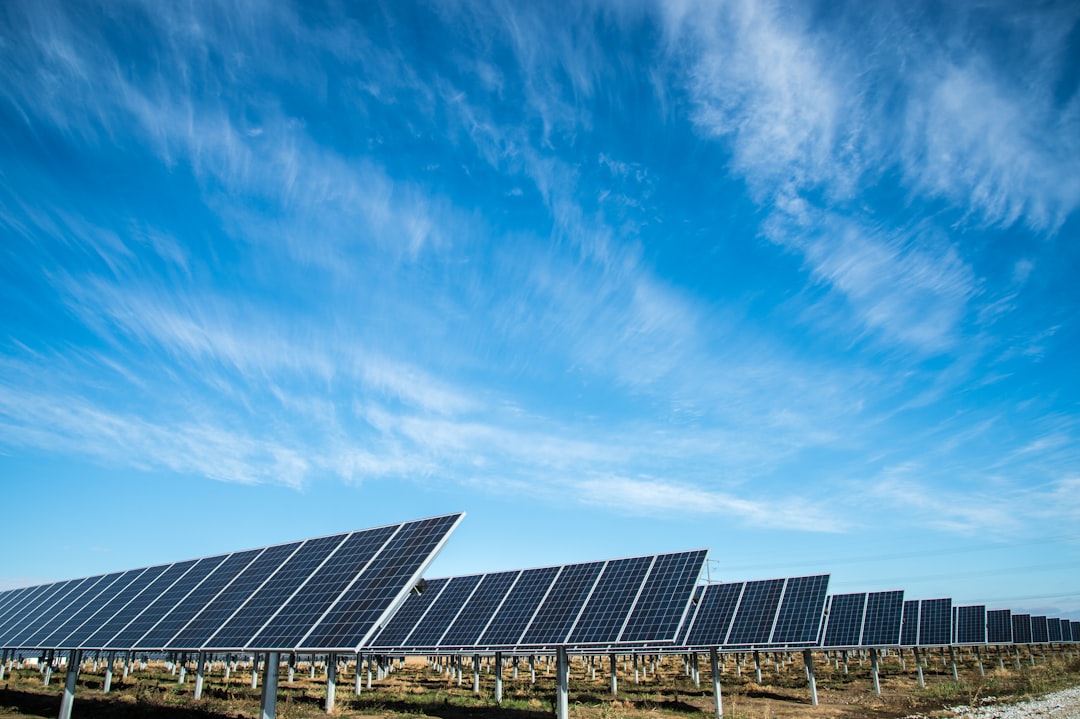
The market monitoring report from the Agency for the Cooperation of Energy Regulators marks a genuine turning point in the generation mix. Renewables reached 50 percent of the bloc’s electricity, and solar output hit record levels last year, overtaking coal for the first time. Wind and solar together have pushed the European system, on average, well ahead of the United States and China on the share of clean power flowing through the wires.

Yet the report refuses to let the celebration run unchecked. Wholesale prices have fallen, but the retail bills that reach homes and factories remain elevated, and industrial electricity in early 2025 cost roughly one and a half times the American level. Gas stayed about three times more expensive than in the United States, a gap the regulator traces to Europe’s continued reliance on costly imports.

That disconnect between a greener grid and painful prices frames the policy fight ahead. Cheap solar generation at midday does not automatically translate into cheaper evening bills, because the system still leans on gas plants to cover the hours when the sun sets and the wind drops. Until storage and flexible demand fill that gap, the price of gas will keep shaping what consumers pay, however much clean capacity comes online.

Hydrogen offers a case study in the distance between ambition and delivery. Renewable hydrogen still cost about four times as much as the conventional kind, and electrolyser capacity, though up by half, reached only a fraction of the target set for the decade. The regulator blames the cost gap and the patchy way member states have written EU rules into national law, which leaves investors uncertain about the returns on offer.

On supply security, the news reads better. Russian pipeline gas fell sharply again, and a record flow of liquefied natural gas, heaviest in the second half of the year, covered the shortfall and helped steady prices. The bloc has, for now, weathered the loss of its old eastern supplier without the shortages many feared, though at a premium that industry keeps flagging.

The regulator’s prescription centres on integration. A more connected internal market, it argues, lets cheap power move from where the sun shines or the wind blows to where demand sits, squeezing out the price spikes that fragmented national grids allow. Faster permits for cross-border lines and clearer investment signals would, on this reading, turn the clean-generation milestone into lower bills rather than a statistic.

The full analysis sits in the agency’s market monitoring reports, which track prices, flows and the slow grind toward a single energy market. Crossing the halfway mark on renewables counts as real progress, the regulator concludes, but the job of turning green electrons into affordable power is far from finished.