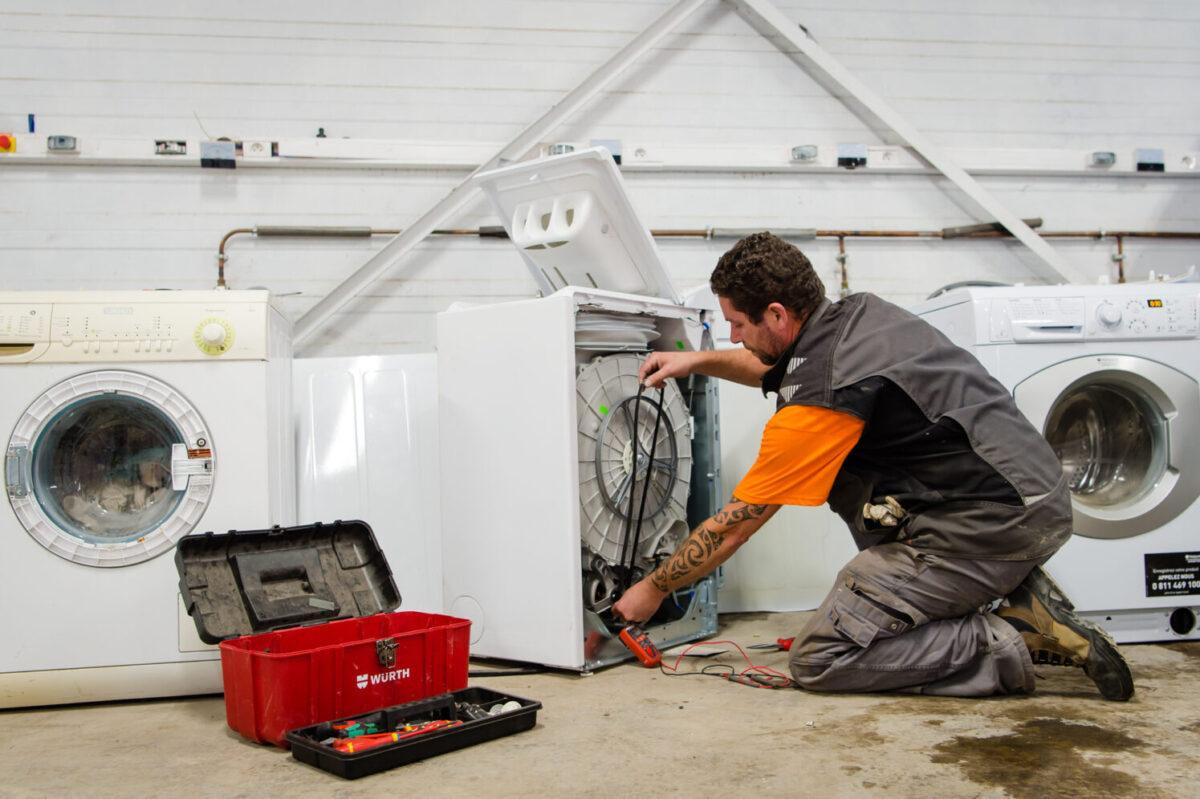
Turin: In the workshops where independent technicians coax another decade out of tired washing machines, a change in the law is about to shift the ground beneath a whole trade. From 31 July, member states must apply the Union’s directive on the repair of goods, a measure adopted in 2024 that tries to make mending an everyday choice rather than a frustrating exception. For a bloc that still throws away far more than it recovers, the deadline is a quiet test of whether circular rhetoric can become circular practice.
The directive rewrites the incentives around breakage. Manufacturers of certain products, among them washing machines, refrigerators, vacuum cleaners and smartphones, will be obliged to repair them on request, even beyond the legal guarantee and even for items bought years earlier. Where a fault is fixed during the guarantee period, that guarantee is extended by a further twelve months, nudging sellers toward repair rather than replacement. Member states are also encouraged to promote repair through information platforms and financial incentives, so that the cheaper, greener option is also the easier one.
The rule does not stand alone. It sits atop the Ecodesign for Sustainable Products Regulation, which since 2024 has let the Union set design requirements for durability and the availability of spare parts. Smartphones and tablets already carry repairability labels graded from A to E, and their makers must keep spare parts available for seven years. Together the measures aim at a culture in which a broken device prompts a call to a workshop rather than a trip to buy its replacement.
Why this matters is measured in both waste and money. Europe recycles or reuses only a modest share of the materials it consumes, and every discarded appliance represents mined metals, manufacturing energy and landfill that a repair would have spared. Households, meanwhile, stand to keep functioning goods longer instead of replacing them at full cost. Repair campaigners have pushed for these rules for years, arguing that a genuine right to repair rebalances power away from manufacturers who design products to be replaced.
Who carries the burden is where the argument sharpens. Independent repairers welcome guaranteed access to parts and information, but industry groups warn that mandatory repair obligations and long spare-part commitments raise costs that ultimately reach consumers. Some manufacturers argue that for cheap, mass-produced goods, repair can cost more than replacement, and that forcing it may simply raise prices without changing behaviour.
What happens next depends on transposition. A directive binds governments to a result but leaves the method to them, so the real test is whether national rules give the right teeth or let it fade into paperwork. The Commission has also signalled a broader Circular Economy Act, expected later in 2026, to build a single market for recycled materials. The July deadline is the first hard proof of intent.