August 9, 2026
LATEST
New EU Gas Market Rules Take Effect With Consumer SafeguardsDeforestation Regulation Holds Its December Deadline Despite CutsDigital Omnibus Delays Europe’s High-Risk AI Deadline to 2027Europe’s Schools Confront a Widening Basic Skills GapRule of Law Report Finds Progress but Trust Still LagsIRIS2 Gains 66 Satellites as Brussels Signs the Rollout DealNature Restoration Plans Come Due as Member States Race a DeadlineECB Rates Hold at 2.25 Percent as Frankfurt Waits on the DataEU Budget Talks Turn to Cohesion as Ireland Takes OverWildfire Response Stretches Europe’s Emergency Fleet ThinCan Europe’s Quantum Plan Match Its Big Ambitions?Armenia Edges West as Moscow’s Grip Slips AwayEurope Inherits the World’s Aid Bill It Cannot Fully PayAir Passenger Rights Get Their First Overhaul in Two DecadesErasmus Opens a 5 Billion Euro Round for Skills and MobilityCeuta Crisis Pushes the EU Toward Faster Migrant ReturnsBulky Parcels Face a Packaging Crackdown From August 12Can Europe Build Its Drone Wall Before 2030 Arrives?Indonesia’s Trade Deal With Europe Nears Its Final SignatureEurope Leans on Beijing to Keep Climate Talks Alive Before AntalyaNew EU Gas Market Rules Take Effect With Consumer SafeguardsDeforestation Regulation Holds Its December Deadline Despite CutsDigital Omnibus Delays Europe’s High-Risk AI Deadline to 2027Europe’s Schools Confront a Widening Basic Skills GapRule of Law Report Finds Progress but Trust Still LagsIRIS2 Gains 66 Satellites as Brussels Signs the Rollout DealNature Restoration Plans Come Due as Member States Race a DeadlineECB Rates Hold at 2.25 Percent as Frankfurt Waits on the DataEU Budget Talks Turn to Cohesion as Ireland Takes OverWildfire Response Stretches Europe’s Emergency Fleet ThinCan Europe’s Quantum Plan Match Its Big Ambitions?Armenia Edges West as Moscow’s Grip Slips AwayEurope Inherits the World’s Aid Bill It Cannot Fully PayAir Passenger Rights Get Their First Overhaul in Two DecadesErasmus Opens a 5 Billion Euro Round for Skills and MobilityCeuta Crisis Pushes the EU Toward Faster Migrant ReturnsBulky Parcels Face a Packaging Crackdown From August 12Can Europe Build Its Drone Wall Before 2030 Arrives?Indonesia’s Trade Deal With Europe Nears Its Final SignatureEurope Leans on Beijing to Keep Climate Talks Alive Before Antalya
August 9, 2026
LATEST
New EU Gas Market Rules Take Effect With Consumer SafeguardsDeforestation Regulation Holds Its December Deadline Despite CutsDigital Omnibus Delays Europe’s High-Risk AI Deadline to 2027Europe’s Schools Confront a Widening Basic Skills GapRule of Law Report Finds Progress but Trust Still LagsIRIS2 Gains 66 Satellites as Brussels Signs the Rollout DealNature Restoration Plans Come Due as Member States Race a DeadlineECB Rates Hold at 2.25 Percent as Frankfurt Waits on the DataEU Budget Talks Turn to Cohesion as Ireland Takes OverWildfire Response Stretches Europe’s Emergency Fleet ThinCan Europe’s Quantum Plan Match Its Big Ambitions?Armenia Edges West as Moscow’s Grip Slips AwayEurope Inherits the World’s Aid Bill It Cannot Fully PayAir Passenger Rights Get Their First Overhaul in Two DecadesErasmus Opens a 5 Billion Euro Round for Skills and MobilityCeuta Crisis Pushes the EU Toward Faster Migrant ReturnsBulky Parcels Face a Packaging Crackdown From August 12Can Europe Build Its Drone Wall Before 2030 Arrives?Indonesia’s Trade Deal With Europe Nears Its Final SignatureEurope Leans on Beijing to Keep Climate Talks Alive Before AntalyaNew EU Gas Market Rules Take Effect With Consumer SafeguardsDeforestation Regulation Holds Its December Deadline Despite CutsDigital Omnibus Delays Europe’s High-Risk AI Deadline to 2027Europe’s Schools Confront a Widening Basic Skills GapRule of Law Report Finds Progress but Trust Still LagsIRIS2 Gains 66 Satellites as Brussels Signs the Rollout DealNature Restoration Plans Come Due as Member States Race a DeadlineECB Rates Hold at 2.25 Percent as Frankfurt Waits on the DataEU Budget Talks Turn to Cohesion as Ireland Takes OverWildfire Response Stretches Europe’s Emergency Fleet ThinCan Europe’s Quantum Plan Match Its Big Ambitions?Armenia Edges West as Moscow’s Grip Slips AwayEurope Inherits the World’s Aid Bill It Cannot Fully PayAir Passenger Rights Get Their First Overhaul in Two DecadesErasmus Opens a 5 Billion Euro Round for Skills and MobilityCeuta Crisis Pushes the EU Toward Faster Migrant ReturnsBulky Parcels Face a Packaging Crackdown From August 12Can Europe Build Its Drone Wall Before 2030 Arrives?Indonesia’s Trade Deal With Europe Nears Its Final SignatureEurope Leans on Beijing to Keep Climate Talks Alive Before Antalya

Secure Satellites Now Shield Governments As IRIS Takes Shape

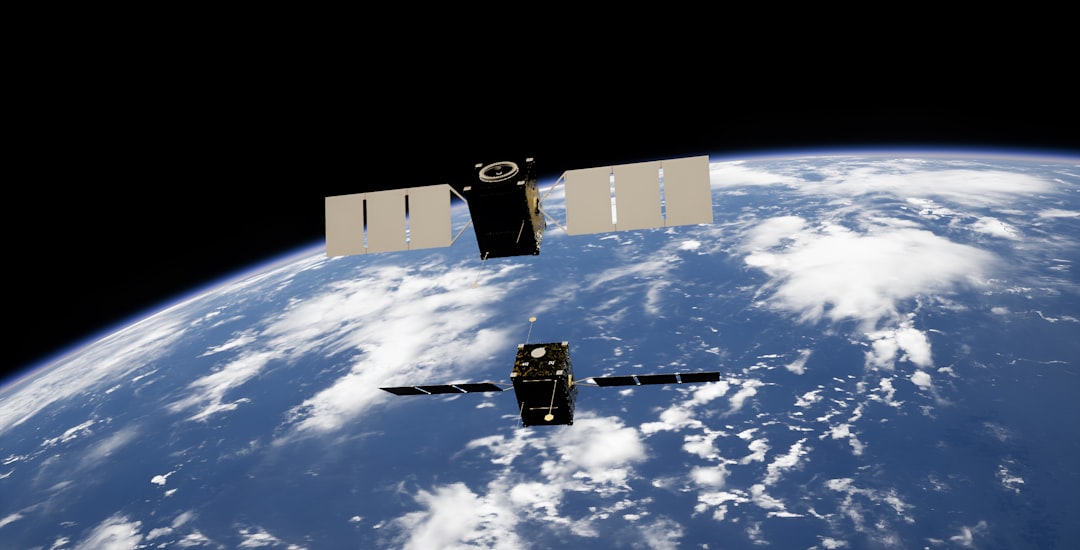
Bucharest: Europe’s pitch for sovereignty in orbit stopped being a slide deck this year and started being a service. In January the EU declared its GOVSATCOM programme operational, pooling eight satellites contributed by five member states into a shared pool of secure government communications. It is a modest constellation by the standards of the megafleets circling overhead, but its significance lies in ownership. For the first time the bloc can route sensitive traffic for armies, border guards and crisis responders through capacity it controls rather than leasing from commercial operators whose loyalties and outages lie elsewhere.

GOVSATCOM is the scaffolding for something far larger. IRIS², the multi-orbit constellation the EU intends to field, carries a price tag of 10.6 billion euros and a timeline that tests political patience. Design and development run from 2025 to 2028, deployment follows across 2029 and 2030, and full government services are not promised until the early 2030s, with the system’s working life stretching toward 2037. Coordinated by the EU Agency for the Space Programme, IRIS² is meant to give Europe a resilient, encrypted alternative to the private networks that now dominate satellite internet, an answer to the strategic exposure that recent conflicts laid bare.

The view from this Black Sea capital explains why the project resonates beyond Western boardrooms. Romania has moved to require Galileo-based authenticated positioning aboard new patrol vessels after a regional pilot, leaning on the OSNMA signal-authentication service that EUSPA delivers. The reason is jamming and spoofing, the electronic interference that has turned the Black Sea into a laboratory for hostile signal manipulation. Galileo became the first global navigation system to offer free, open and worldwide signal authentication when OSNMA went live in 2025, and for a navy operating in contested waters that assurance is not a luxury but a precondition for trusting the numbers on the screen.

Sceptics fasten on the timeline and the money. A constellation that delivers full service only in the next decade invites comparison with commercial rivals already beaming broadband to consumers today, and 10.6 billion euros is a vast commitment for a Union that bargains over every budget line. Industry voices worry that fragmented national interests and a sprawling consortium could slow deployment, the chronic affliction of grand European space ventures. Supporters retort that the entire point is autonomy, and that depending on a single foreign billionaire’s network for military and emergency communications is precisely the vulnerability IRIS² exists to cure.

For now the achievement is incremental but concrete. GOVSATCOM proves the pooling model can work, drawing scattered national assets into a common European capability. Galileo’s authentication shields users from the deception that plagues older systems, and the patrol vessels of a Black Sea fleet will navigate on signals Europe can vouch for. The grander promise of IRIS² remains years away, exposed to every risk that haunts long programmes. Yet the direction is unmistakable. Brussels has decided that secure communication and trustworthy positioning are too important to rent, and the satellites now taking shape are the down payment on that conviction.