August 9, 2026
LATEST
New EU Gas Market Rules Take Effect With Consumer SafeguardsDeforestation Regulation Holds Its December Deadline Despite CutsDigital Omnibus Delays Europe’s High-Risk AI Deadline to 2027Europe’s Schools Confront a Widening Basic Skills GapRule of Law Report Finds Progress but Trust Still LagsIRIS2 Gains 66 Satellites as Brussels Signs the Rollout DealNature Restoration Plans Come Due as Member States Race a DeadlineECB Rates Hold at 2.25 Percent as Frankfurt Waits on the DataEU Budget Talks Turn to Cohesion as Ireland Takes OverWildfire Response Stretches Europe’s Emergency Fleet ThinCan Europe’s Quantum Plan Match Its Big Ambitions?Armenia Edges West as Moscow’s Grip Slips AwayEurope Inherits the World’s Aid Bill It Cannot Fully PayAir Passenger Rights Get Their First Overhaul in Two DecadesErasmus Opens a 5 Billion Euro Round for Skills and MobilityCeuta Crisis Pushes the EU Toward Faster Migrant ReturnsBulky Parcels Face a Packaging Crackdown From August 12Can Europe Build Its Drone Wall Before 2030 Arrives?Indonesia’s Trade Deal With Europe Nears Its Final SignatureEurope Leans on Beijing to Keep Climate Talks Alive Before AntalyaNew EU Gas Market Rules Take Effect With Consumer SafeguardsDeforestation Regulation Holds Its December Deadline Despite CutsDigital Omnibus Delays Europe’s High-Risk AI Deadline to 2027Europe’s Schools Confront a Widening Basic Skills GapRule of Law Report Finds Progress but Trust Still LagsIRIS2 Gains 66 Satellites as Brussels Signs the Rollout DealNature Restoration Plans Come Due as Member States Race a DeadlineECB Rates Hold at 2.25 Percent as Frankfurt Waits on the DataEU Budget Talks Turn to Cohesion as Ireland Takes OverWildfire Response Stretches Europe’s Emergency Fleet ThinCan Europe’s Quantum Plan Match Its Big Ambitions?Armenia Edges West as Moscow’s Grip Slips AwayEurope Inherits the World’s Aid Bill It Cannot Fully PayAir Passenger Rights Get Their First Overhaul in Two DecadesErasmus Opens a 5 Billion Euro Round for Skills and MobilityCeuta Crisis Pushes the EU Toward Faster Migrant ReturnsBulky Parcels Face a Packaging Crackdown From August 12Can Europe Build Its Drone Wall Before 2030 Arrives?Indonesia’s Trade Deal With Europe Nears Its Final SignatureEurope Leans on Beijing to Keep Climate Talks Alive Before Antalya
August 9, 2026
LATEST
New EU Gas Market Rules Take Effect With Consumer SafeguardsDeforestation Regulation Holds Its December Deadline Despite CutsDigital Omnibus Delays Europe’s High-Risk AI Deadline to 2027Europe’s Schools Confront a Widening Basic Skills GapRule of Law Report Finds Progress but Trust Still LagsIRIS2 Gains 66 Satellites as Brussels Signs the Rollout DealNature Restoration Plans Come Due as Member States Race a DeadlineECB Rates Hold at 2.25 Percent as Frankfurt Waits on the DataEU Budget Talks Turn to Cohesion as Ireland Takes OverWildfire Response Stretches Europe’s Emergency Fleet ThinCan Europe’s Quantum Plan Match Its Big Ambitions?Armenia Edges West as Moscow’s Grip Slips AwayEurope Inherits the World’s Aid Bill It Cannot Fully PayAir Passenger Rights Get Their First Overhaul in Two DecadesErasmus Opens a 5 Billion Euro Round for Skills and MobilityCeuta Crisis Pushes the EU Toward Faster Migrant ReturnsBulky Parcels Face a Packaging Crackdown From August 12Can Europe Build Its Drone Wall Before 2030 Arrives?Indonesia’s Trade Deal With Europe Nears Its Final SignatureEurope Leans on Beijing to Keep Climate Talks Alive Before AntalyaNew EU Gas Market Rules Take Effect With Consumer SafeguardsDeforestation Regulation Holds Its December Deadline Despite CutsDigital Omnibus Delays Europe’s High-Risk AI Deadline to 2027Europe’s Schools Confront a Widening Basic Skills GapRule of Law Report Finds Progress but Trust Still LagsIRIS2 Gains 66 Satellites as Brussels Signs the Rollout DealNature Restoration Plans Come Due as Member States Race a DeadlineECB Rates Hold at 2.25 Percent as Frankfurt Waits on the DataEU Budget Talks Turn to Cohesion as Ireland Takes OverWildfire Response Stretches Europe’s Emergency Fleet ThinCan Europe’s Quantum Plan Match Its Big Ambitions?Armenia Edges West as Moscow’s Grip Slips AwayEurope Inherits the World’s Aid Bill It Cannot Fully PayAir Passenger Rights Get Their First Overhaul in Two DecadesErasmus Opens a 5 Billion Euro Round for Skills and MobilityCeuta Crisis Pushes the EU Toward Faster Migrant ReturnsBulky Parcels Face a Packaging Crackdown From August 12Can Europe Build Its Drone Wall Before 2030 Arrives?Indonesia’s Trade Deal With Europe Nears Its Final SignatureEurope Leans on Beijing to Keep Climate Talks Alive Before Antalya

Shrinking Budgets Force A Rethink Of How Europe Delivers Aid

Brussels: The need has rarely been greater and the money has rarely felt smaller. As conflicts grind on from Sudan to the Middle East, the European Union is confronting a humanitarian arithmetic that no longer adds up, and it has begun reworking how it delivers relief in a world where the biggest donors are pulling back.

The Commission opened the year by setting out an initial humanitarian budget of around 1.9 billion euros, a substantial sum that nonetheless has to stretch across a global caseload of well over two hundred million people who need assistance. The gap between those two numbers is the heart of the problem. Even as the EU has positioned itself as one of the steadiest contributors, the retreat of other major funders has widened the shortfall faster than any single budget line can close it, leaving aid agencies to triage between crises that are all, by any humane measure, urgent.

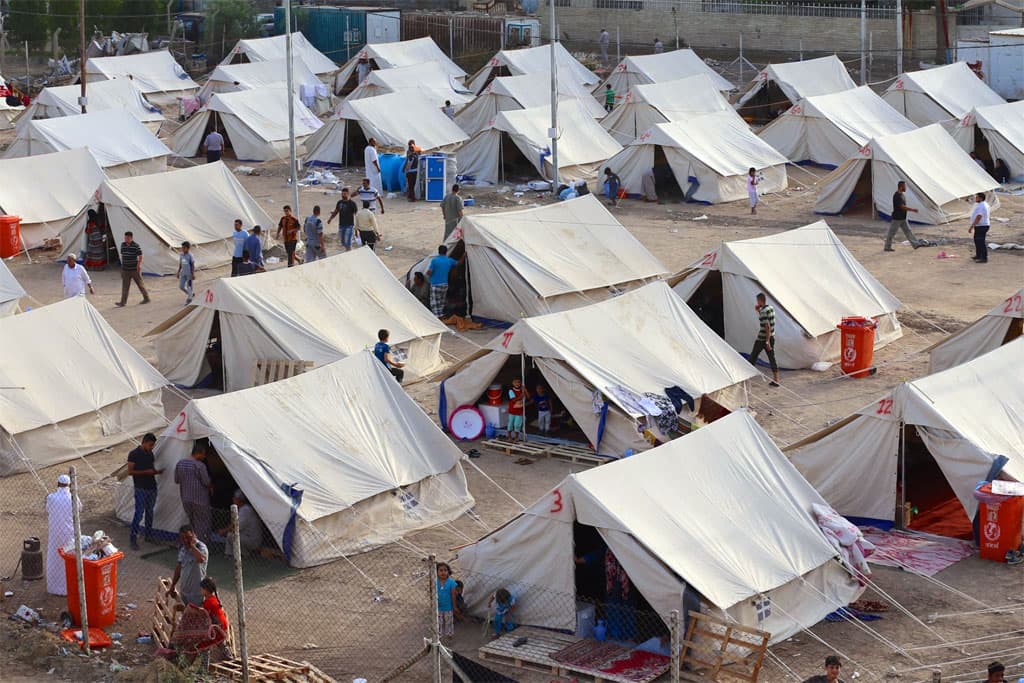
The strain is visible in how the available money is being parcelled out. A package of several hundred million euros has been directed to the war-torn Middle East, with funds earmarked for food, health, shelter, protection and education across Palestine and neighbouring states hosting displaced people. Separate commitments have flowed to West and Central Africa, and to Egypt, which is sheltering well over a million refugees and asylum seekers from Sudan and Gaza. Each allocation is defensible on its own terms; together they illustrate a budget being spread thinner with every new emergency.

That pressure has pushed the Commission to argue that the model itself needs reform. Officials have begun making the case that European humanitarian aid must adapt to the realities of today’s crises, which are more numerous, more protracted and more expensive than the system was built to handle. The reform conversation ranges over how to make funding more predictable, how to lean on local responders who can work more cheaply and closer to the affected, and how to brace for disasters before they strike rather than scrambling after the fact.

Preparedness is the other half of the equation, and it runs through the bloc’s civil-protection machinery as much as its overseas aid. The same logic that says it is cheaper to stockpile and to plan applies whether the threat is a wildfire on Europe’s own southern flank or a flood in a distant partner country. Pre-positioned supplies, regional disaster-preparedness programmes and faster decision-making are all being pushed as ways to wring more protection from each euro.

None of it resolves the underlying squeeze. Reform can improve how efficiently aid is spent, but it cannot conjure the funds that departing donors have withdrawn, and the people waiting in camps outside Khartoum or in the ruins of Gaza do not experience an efficiency gain as a meal. The EU’s bet is that by spending smarter, acting earlier and spreading risk to local partners, it can hold the line on its humanitarian commitments at a moment when the easy era of expanding budgets is plainly over.