August 9, 2026
LATEST
New EU Gas Market Rules Take Effect With Consumer SafeguardsDeforestation Regulation Holds Its December Deadline Despite CutsDigital Omnibus Delays Europe’s High-Risk AI Deadline to 2027Europe’s Schools Confront a Widening Basic Skills GapRule of Law Report Finds Progress but Trust Still LagsIRIS2 Gains 66 Satellites as Brussels Signs the Rollout DealNature Restoration Plans Come Due as Member States Race a DeadlineECB Rates Hold at 2.25 Percent as Frankfurt Waits on the DataEU Budget Talks Turn to Cohesion as Ireland Takes OverWildfire Response Stretches Europe’s Emergency Fleet ThinCan Europe’s Quantum Plan Match Its Big Ambitions?Armenia Edges West as Moscow’s Grip Slips AwayEurope Inherits the World’s Aid Bill It Cannot Fully PayAir Passenger Rights Get Their First Overhaul in Two DecadesErasmus Opens a 5 Billion Euro Round for Skills and MobilityCeuta Crisis Pushes the EU Toward Faster Migrant ReturnsBulky Parcels Face a Packaging Crackdown From August 12Can Europe Build Its Drone Wall Before 2030 Arrives?Indonesia’s Trade Deal With Europe Nears Its Final SignatureEurope Leans on Beijing to Keep Climate Talks Alive Before AntalyaNew EU Gas Market Rules Take Effect With Consumer SafeguardsDeforestation Regulation Holds Its December Deadline Despite CutsDigital Omnibus Delays Europe’s High-Risk AI Deadline to 2027Europe’s Schools Confront a Widening Basic Skills GapRule of Law Report Finds Progress but Trust Still LagsIRIS2 Gains 66 Satellites as Brussels Signs the Rollout DealNature Restoration Plans Come Due as Member States Race a DeadlineECB Rates Hold at 2.25 Percent as Frankfurt Waits on the DataEU Budget Talks Turn to Cohesion as Ireland Takes OverWildfire Response Stretches Europe’s Emergency Fleet ThinCan Europe’s Quantum Plan Match Its Big Ambitions?Armenia Edges West as Moscow’s Grip Slips AwayEurope Inherits the World’s Aid Bill It Cannot Fully PayAir Passenger Rights Get Their First Overhaul in Two DecadesErasmus Opens a 5 Billion Euro Round for Skills and MobilityCeuta Crisis Pushes the EU Toward Faster Migrant ReturnsBulky Parcels Face a Packaging Crackdown From August 12Can Europe Build Its Drone Wall Before 2030 Arrives?Indonesia’s Trade Deal With Europe Nears Its Final SignatureEurope Leans on Beijing to Keep Climate Talks Alive Before Antalya
August 9, 2026
LATEST
New EU Gas Market Rules Take Effect With Consumer SafeguardsDeforestation Regulation Holds Its December Deadline Despite CutsDigital Omnibus Delays Europe’s High-Risk AI Deadline to 2027Europe’s Schools Confront a Widening Basic Skills GapRule of Law Report Finds Progress but Trust Still LagsIRIS2 Gains 66 Satellites as Brussels Signs the Rollout DealNature Restoration Plans Come Due as Member States Race a DeadlineECB Rates Hold at 2.25 Percent as Frankfurt Waits on the DataEU Budget Talks Turn to Cohesion as Ireland Takes OverWildfire Response Stretches Europe’s Emergency Fleet ThinCan Europe’s Quantum Plan Match Its Big Ambitions?Armenia Edges West as Moscow’s Grip Slips AwayEurope Inherits the World’s Aid Bill It Cannot Fully PayAir Passenger Rights Get Their First Overhaul in Two DecadesErasmus Opens a 5 Billion Euro Round for Skills and MobilityCeuta Crisis Pushes the EU Toward Faster Migrant ReturnsBulky Parcels Face a Packaging Crackdown From August 12Can Europe Build Its Drone Wall Before 2030 Arrives?Indonesia’s Trade Deal With Europe Nears Its Final SignatureEurope Leans on Beijing to Keep Climate Talks Alive Before AntalyaNew EU Gas Market Rules Take Effect With Consumer SafeguardsDeforestation Regulation Holds Its December Deadline Despite CutsDigital Omnibus Delays Europe’s High-Risk AI Deadline to 2027Europe’s Schools Confront a Widening Basic Skills GapRule of Law Report Finds Progress but Trust Still LagsIRIS2 Gains 66 Satellites as Brussels Signs the Rollout DealNature Restoration Plans Come Due as Member States Race a DeadlineECB Rates Hold at 2.25 Percent as Frankfurt Waits on the DataEU Budget Talks Turn to Cohesion as Ireland Takes OverWildfire Response Stretches Europe’s Emergency Fleet ThinCan Europe’s Quantum Plan Match Its Big Ambitions?Armenia Edges West as Moscow’s Grip Slips AwayEurope Inherits the World’s Aid Bill It Cannot Fully PayAir Passenger Rights Get Their First Overhaul in Two DecadesErasmus Opens a 5 Billion Euro Round for Skills and MobilityCeuta Crisis Pushes the EU Toward Faster Migrant ReturnsBulky Parcels Face a Packaging Crackdown From August 12Can Europe Build Its Drone Wall Before 2030 Arrives?Indonesia’s Trade Deal With Europe Nears Its Final SignatureEurope Leans on Beijing to Keep Climate Talks Alive Before Antalya

Smokers Face Higher Bills As Europe Fights Over Tobacco Tax

Bucharest: A proposal to drag Europe’s tobacco taxes upward and to pull a whole new generation of nicotine products into the net is colliding with the one procedural fact that governs tax in the Union: nothing moves without unanimity. The Commission tabled its revision of the Tobacco Taxation Directive in July last year, and almost a year on the negotiation in Council remains unresolved, with Romania among the governments least enthusiastic about the bill being written in its capital’s name.

The substance is ambitious. The current framework, unchanged since 2011, sets minimum excise rates that have been overtaken by inflation and by widening price gaps between member states. Under the revision, the floor would rise sharply. Six countries, Denmark, Ireland, Finland, Belgium, the Netherlands and France, already sit above the proposed thresholds. The rest would have to lift their minimum rates, on average by around half. For lower-tax markets in the Union’s east and south, that is not a tweak but a structural jump in the shelf price of a pack.

Just as consequential is the expansion of scope. For the first time the directive would reach heated-tobacco products, e-liquids and nicotine pouches, the fast-growing categories that have until now occupied a patchwork of national rules or no excise at all. The Commission frames the move as the tax arm of Europe’s Beating Cancer Plan, closing the gap between traditional cigarettes and the newer products that marketing has positioned as cleaner alternatives.

The politics are where it stalls. Thirteen governments, among them Austria, Belgium, Bulgaria, Denmark, Spain, the Netherlands and Ireland, have signed a letter backing the reform. Arrayed against them, Italy, Greece, Romania and Luxembourg have voiced open opposition, and because tax files require every capital to agree, any one of them can hold the line. The objections blend public-health scepticism with harder economic worries about cross-border shopping, jobs in tobacco-growing regions and the durability of national revenue streams.

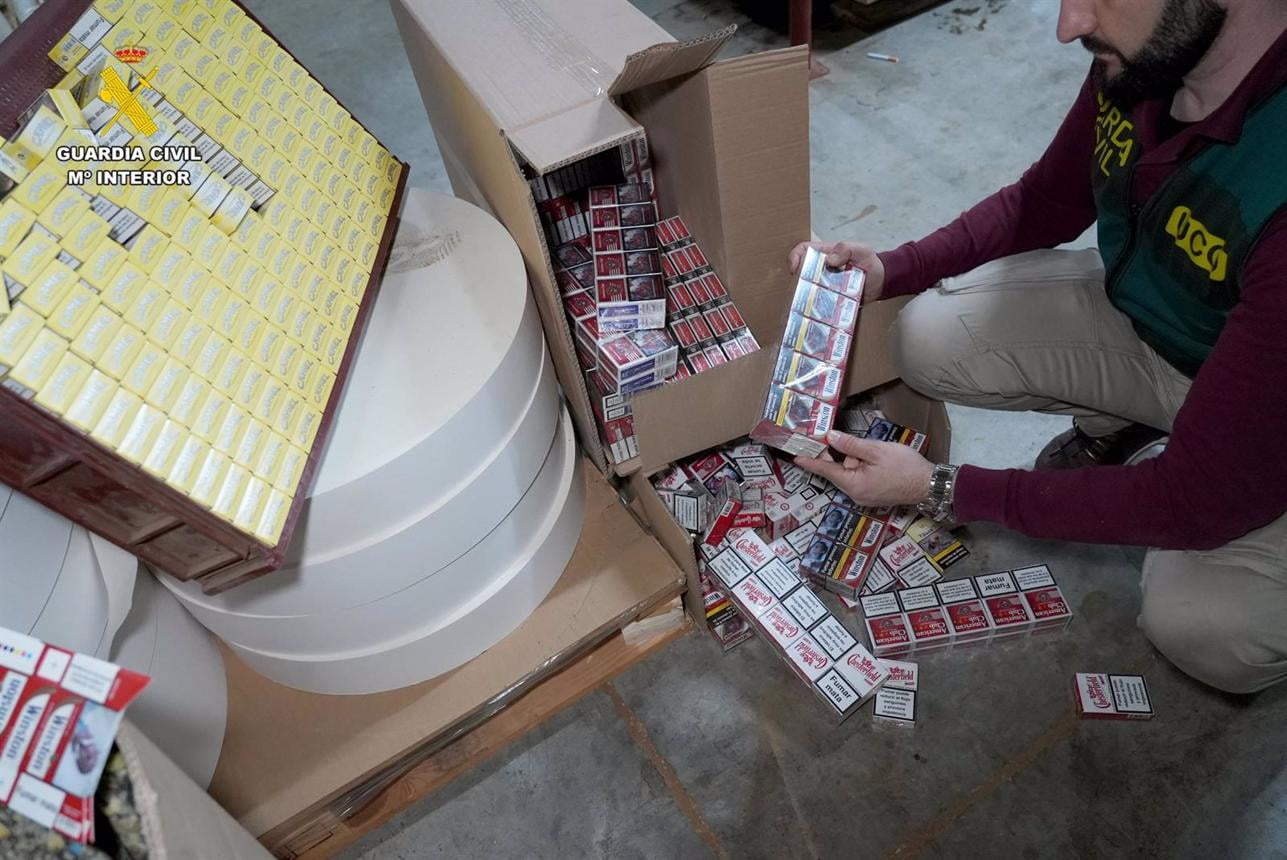
An advisory opinion circulated this spring sharpened the case for caution. It warned that abrupt or excessive excise increases can backfire, pushing buyers toward illicit supply, eroding the very revenues the higher rates are meant to raise and ultimately weakening the health outcomes that justify the policy. Reform, it argued, has to be proportionate and predictable, phased in rather than imposed in a single shock.

Underlying the dispute is a quieter fight about money. A slice of tobacco excise is earmarked to feed the Union’s own budget, which gives Brussels a direct stake in seeing rates rise and gives reluctant capitals another reason to resist surrendering control over a reliable domestic tax. Until the four holdouts move, or are persuaded by transition periods and carve-outs, the higher bills remain a proposal rather than a price. What is not in doubt is the direction of travel. The pressure to tax nicotine more heavily, and to tax all of its forms alike, is not going away, even if the unanimity rule keeps it parked for now.