Toulouse: For two seasons now the single line item that has done most to squeeze European farm incomes has not been seed, fuel or labour but fertiliser. Prices that spiked with the energy shock never fully retreated, and a reliance on imported supply left growers exposed to every twist in global gas markets and trade routes. When agriculture ministers met at the end of May, that vulnerability sat at the centre of the agenda.
The Commission arrived with an action plan built around a blunt recognition: short-term relief and long-term independence have to be pursued at once. On the immediate side, the package points to roughly four hundred million euros in targeted support, alongside measures to ease farmers’ cash-flow pressures. The mechanism is less a new pot of money than a loosening of the existing one. Member states would gain greater flexibility in how they manage their national strategic plans under the common agricultural policy, with unused funds redirected into liquidity schemes and the possibility of advancing payments so that money reaches farms before the next planting decision rather than after it.
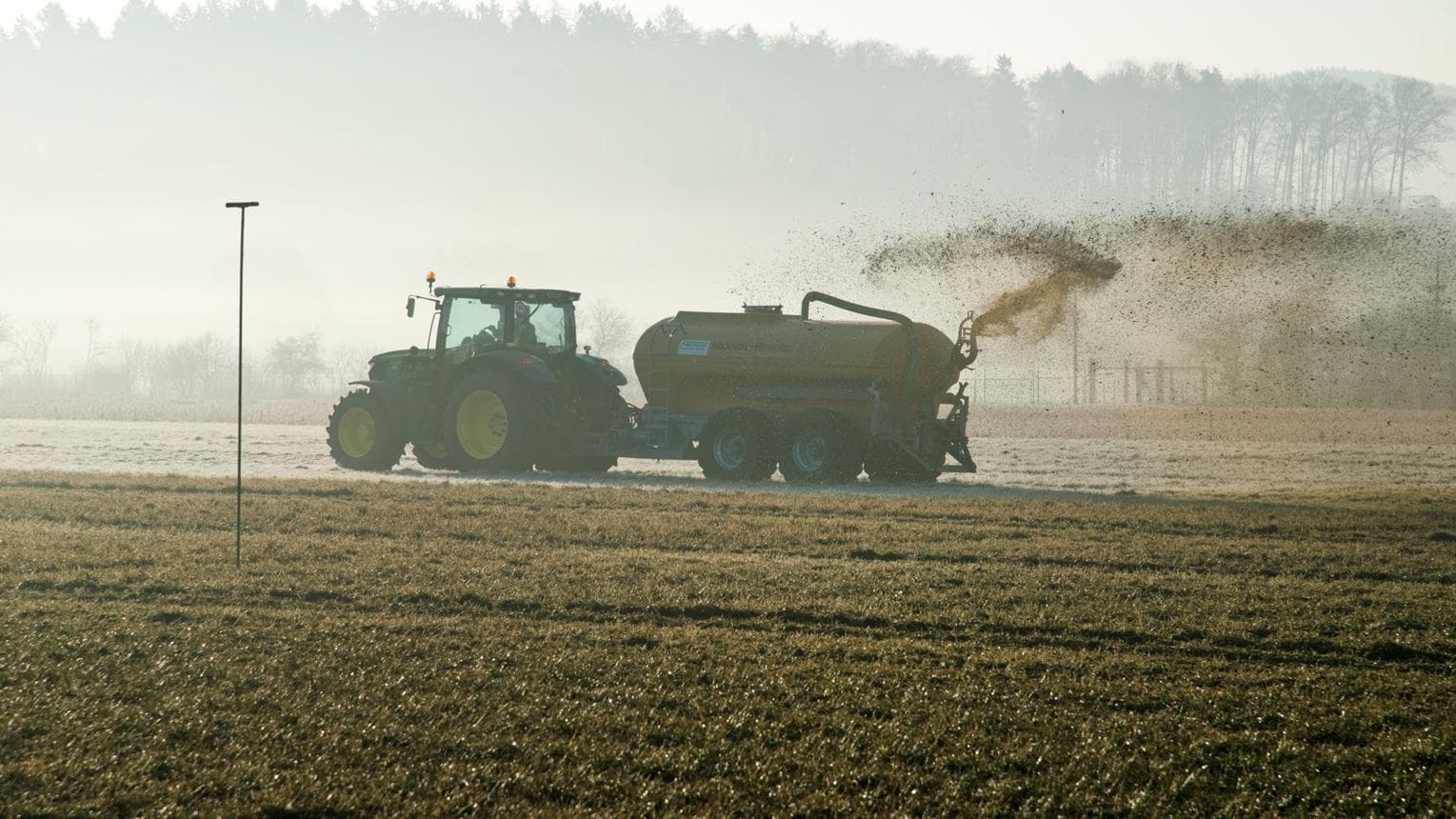
The longer-term ambition is to wean the sector off synthetic and imported product altogether. Here the plan leans on making it easier to develop and deploy European alternatives, particularly organic and bio-based fertilisers that can be produced closer to where they are used. The logic is strategic as much as environmental. A bloc that imports a large share of a critical input, and the gas to make it, has handed leverage to suppliers and to the geopolitics that move them.
Ministers broadly welcomed the direction, while framing it in the language of autonomy that now colours almost every farm debate. Securing domestic capacity to produce and use fertiliser, several argued, is inseparable from food security itself, and from the competitiveness of producers who cannot simply pass higher costs down a price-sensitive chain. The worry running beneath the warm words is that affordability for shoppers and viability for farmers are pulling in opposite directions, with input costs the hinge between them.
The flexibility on offer is not without its critics. Redirecting strategic-plan money toward liquidity is, in effect, spending tomorrow’s structural funds on today’s emergency, and some fear it crowds out the investment in modernisation the sector also badly needs. Advancing payments helps a farm through a hard spring but does nothing to lower the underlying bill. And bio-based alternatives, promising as they are, cannot yet substitute at the scale and reliability conventional fertiliser delivers.
That tension frames the path ahead. The action plan buys time and signals intent, but the test will be whether the promised flexibility actually moves cash quickly to the farms that need it, and whether the push toward European supply translates into capacity rather than communiqués. The broader reform of the policy after 2027, and the budget fight that will shape it, looms over everything. For now the message from the council is that the bloc has noticed how exposed its fields have become, and has reached first for the tools already in its hands.