August 9, 2026
LATEST
New EU Gas Market Rules Take Effect With Consumer SafeguardsDeforestation Regulation Holds Its December Deadline Despite CutsDigital Omnibus Delays Europe’s High-Risk AI Deadline to 2027Europe’s Schools Confront a Widening Basic Skills GapRule of Law Report Finds Progress but Trust Still LagsIRIS2 Gains 66 Satellites as Brussels Signs the Rollout DealNature Restoration Plans Come Due as Member States Race a DeadlineECB Rates Hold at 2.25 Percent as Frankfurt Waits on the DataEU Budget Talks Turn to Cohesion as Ireland Takes OverWildfire Response Stretches Europe’s Emergency Fleet ThinCan Europe’s Quantum Plan Match Its Big Ambitions?Armenia Edges West as Moscow’s Grip Slips AwayEurope Inherits the World’s Aid Bill It Cannot Fully PayAir Passenger Rights Get Their First Overhaul in Two DecadesErasmus Opens a 5 Billion Euro Round for Skills and MobilityCeuta Crisis Pushes the EU Toward Faster Migrant ReturnsBulky Parcels Face a Packaging Crackdown From August 12Can Europe Build Its Drone Wall Before 2030 Arrives?Indonesia’s Trade Deal With Europe Nears Its Final SignatureEurope Leans on Beijing to Keep Climate Talks Alive Before AntalyaNew EU Gas Market Rules Take Effect With Consumer SafeguardsDeforestation Regulation Holds Its December Deadline Despite CutsDigital Omnibus Delays Europe’s High-Risk AI Deadline to 2027Europe’s Schools Confront a Widening Basic Skills GapRule of Law Report Finds Progress but Trust Still LagsIRIS2 Gains 66 Satellites as Brussels Signs the Rollout DealNature Restoration Plans Come Due as Member States Race a DeadlineECB Rates Hold at 2.25 Percent as Frankfurt Waits on the DataEU Budget Talks Turn to Cohesion as Ireland Takes OverWildfire Response Stretches Europe’s Emergency Fleet ThinCan Europe’s Quantum Plan Match Its Big Ambitions?Armenia Edges West as Moscow’s Grip Slips AwayEurope Inherits the World’s Aid Bill It Cannot Fully PayAir Passenger Rights Get Their First Overhaul in Two DecadesErasmus Opens a 5 Billion Euro Round for Skills and MobilityCeuta Crisis Pushes the EU Toward Faster Migrant ReturnsBulky Parcels Face a Packaging Crackdown From August 12Can Europe Build Its Drone Wall Before 2030 Arrives?Indonesia’s Trade Deal With Europe Nears Its Final SignatureEurope Leans on Beijing to Keep Climate Talks Alive Before Antalya
August 9, 2026
LATEST
New EU Gas Market Rules Take Effect With Consumer SafeguardsDeforestation Regulation Holds Its December Deadline Despite CutsDigital Omnibus Delays Europe’s High-Risk AI Deadline to 2027Europe’s Schools Confront a Widening Basic Skills GapRule of Law Report Finds Progress but Trust Still LagsIRIS2 Gains 66 Satellites as Brussels Signs the Rollout DealNature Restoration Plans Come Due as Member States Race a DeadlineECB Rates Hold at 2.25 Percent as Frankfurt Waits on the DataEU Budget Talks Turn to Cohesion as Ireland Takes OverWildfire Response Stretches Europe’s Emergency Fleet ThinCan Europe’s Quantum Plan Match Its Big Ambitions?Armenia Edges West as Moscow’s Grip Slips AwayEurope Inherits the World’s Aid Bill It Cannot Fully PayAir Passenger Rights Get Their First Overhaul in Two DecadesErasmus Opens a 5 Billion Euro Round for Skills and MobilityCeuta Crisis Pushes the EU Toward Faster Migrant ReturnsBulky Parcels Face a Packaging Crackdown From August 12Can Europe Build Its Drone Wall Before 2030 Arrives?Indonesia’s Trade Deal With Europe Nears Its Final SignatureEurope Leans on Beijing to Keep Climate Talks Alive Before AntalyaNew EU Gas Market Rules Take Effect With Consumer SafeguardsDeforestation Regulation Holds Its December Deadline Despite CutsDigital Omnibus Delays Europe’s High-Risk AI Deadline to 2027Europe’s Schools Confront a Widening Basic Skills GapRule of Law Report Finds Progress but Trust Still LagsIRIS2 Gains 66 Satellites as Brussels Signs the Rollout DealNature Restoration Plans Come Due as Member States Race a DeadlineECB Rates Hold at 2.25 Percent as Frankfurt Waits on the DataEU Budget Talks Turn to Cohesion as Ireland Takes OverWildfire Response Stretches Europe’s Emergency Fleet ThinCan Europe’s Quantum Plan Match Its Big Ambitions?Armenia Edges West as Moscow’s Grip Slips AwayEurope Inherits the World’s Aid Bill It Cannot Fully PayAir Passenger Rights Get Their First Overhaul in Two DecadesErasmus Opens a 5 Billion Euro Round for Skills and MobilityCeuta Crisis Pushes the EU Toward Faster Migrant ReturnsBulky Parcels Face a Packaging Crackdown From August 12Can Europe Build Its Drone Wall Before 2030 Arrives?Indonesia’s Trade Deal With Europe Nears Its Final SignatureEurope Leans on Beijing to Keep Climate Talks Alive Before Antalya

Spain Draws A Warning Over Lax Industrial Accident Safeguards

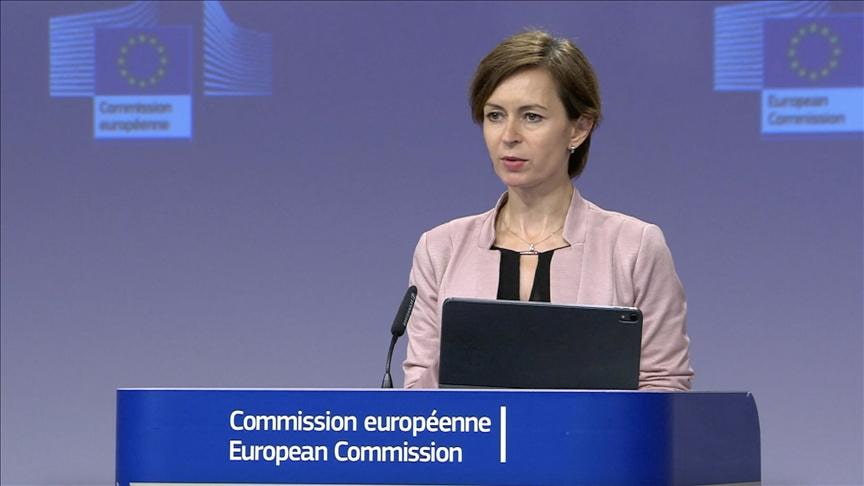
Tarragona: Few pieces of European law are written in the language of catastrophe quite as plainly as the rules governing dangerous industrial sites, and this month the Commission reminded one member state that those rules are not optional. In its June package of infringement decisions, published in the first week of the month, Brussels sent Spain a reasoned opinion for failing to transpose correctly the directive that exists to prevent major accidents involving hazardous substances. It is the legal equivalent of a final written warning before the matter heads to court.

The directive in question covers a vast and largely invisible industrial estate: more than twelve thousand installations across the Union where chemicals are produced, processed or stored in quantities large enough to threaten surrounding communities if something goes wrong. Refineries, petrochemical complexes and fuel depots sit at its core. The framework grew out of decades of disasters that taught Europe a grim lesson about what happens when storage tanks, safety reporting and emergency planning are treated as paperwork rather than protection. Each site is meant to document its risks, inform nearby residents and prepare for the worst.

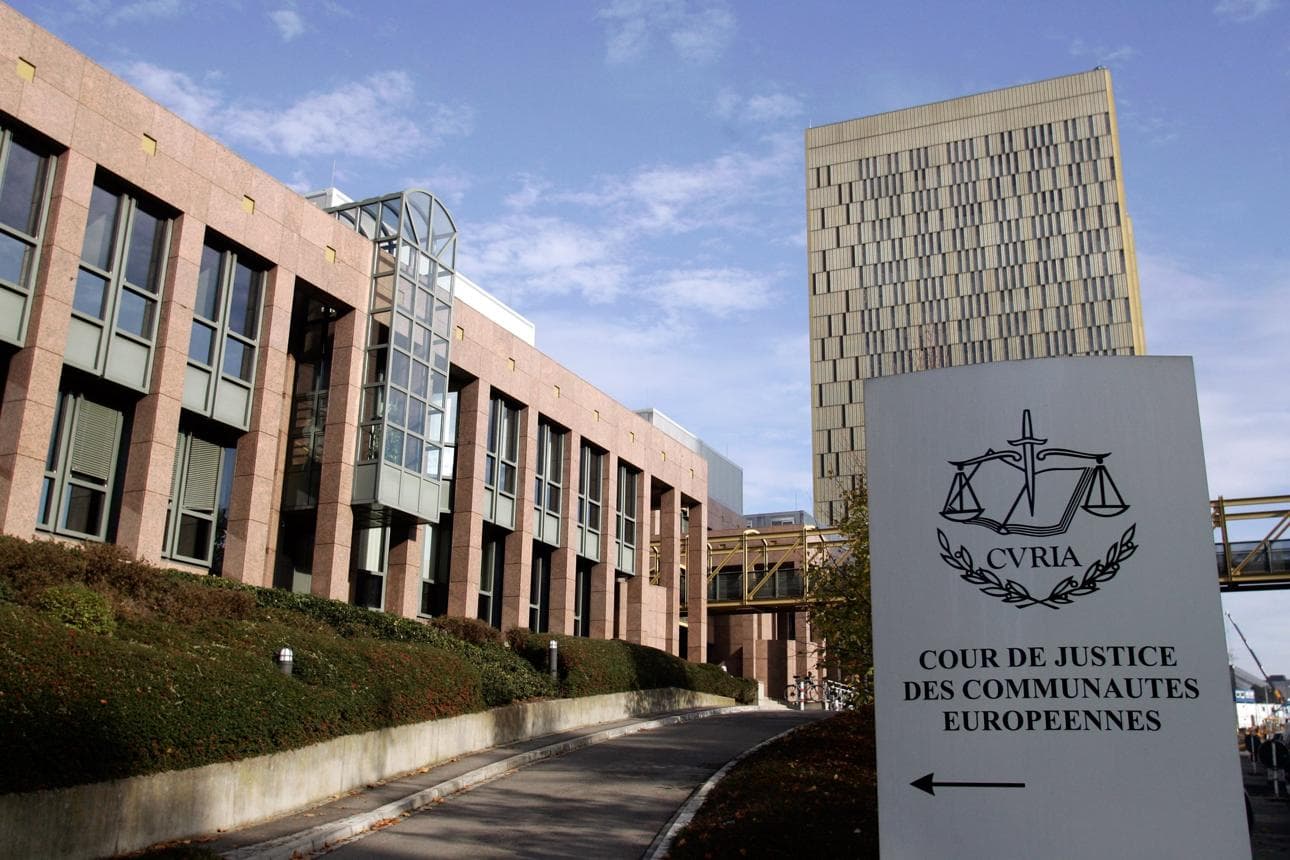
The Commission’s complaint is not that Spain ignored the directive but that it wrote it into national law imperfectly, leaving gaps that could blunt the protections in practice. That distinction matters. A directive only works if every clause survives the journey into domestic statute, and a missing or weakened provision can quietly remove a safeguard that residents never knew they relied on. Madrid now has two months to respond and to close the gaps, failing which the Commission can refer the case to the Court of Justice, where financial penalties become a real possibility.

Spain was not alone in the environmental section of the package. The same round kept up long-running pressure on Austria over access to justice in environmental matters, a saga stretching back more than a decade. There the issue is whether campaign groups can challenge official decisions that affect the environment, a right anchored in the Aarhus Convention that the Commission treats as a cornerstone of what it calls the environmental rule of law. Vienna has received letters of formal notice and a reasoned opinion across several years without fully satisfying Brussels.

Read together, the two cases illustrate how environmental enforcement actually works in the Union. It rarely produces dramatic headlines; instead it grinds forward through a sequence of letters, opinions and deadlines, each escalating the legal stakes a notch. The system depends on the Commission acting as a patient guardian of the treaties, willing to pursue technical transposition failures years after the original deadline has passed.

Industry tends to view this machinery as bureaucratic pedantry. Communities living downwind of a chemical plant or beside a fuel terminal are likely to see it differently. The value of the safety directive lies precisely in the boring details Spain has been told to fix, the reporting thresholds and planning obligations that only ever matter on the day an accident threatens to unfold. The Commission’s warning is a reminder that prevention, unglamorous as it is, remains cheaper than the alternative.