August 9, 2026
LATEST
New EU Gas Market Rules Take Effect With Consumer SafeguardsDeforestation Regulation Holds Its December Deadline Despite CutsDigital Omnibus Delays Europe’s High-Risk AI Deadline to 2027Europe’s Schools Confront a Widening Basic Skills GapRule of Law Report Finds Progress but Trust Still LagsIRIS2 Gains 66 Satellites as Brussels Signs the Rollout DealNature Restoration Plans Come Due as Member States Race a DeadlineECB Rates Hold at 2.25 Percent as Frankfurt Waits on the DataEU Budget Talks Turn to Cohesion as Ireland Takes OverWildfire Response Stretches Europe’s Emergency Fleet ThinCan Europe’s Quantum Plan Match Its Big Ambitions?Armenia Edges West as Moscow’s Grip Slips AwayEurope Inherits the World’s Aid Bill It Cannot Fully PayAir Passenger Rights Get Their First Overhaul in Two DecadesErasmus Opens a 5 Billion Euro Round for Skills and MobilityCeuta Crisis Pushes the EU Toward Faster Migrant ReturnsBulky Parcels Face a Packaging Crackdown From August 12Can Europe Build Its Drone Wall Before 2030 Arrives?Indonesia’s Trade Deal With Europe Nears Its Final SignatureEurope Leans on Beijing to Keep Climate Talks Alive Before AntalyaNew EU Gas Market Rules Take Effect With Consumer SafeguardsDeforestation Regulation Holds Its December Deadline Despite CutsDigital Omnibus Delays Europe’s High-Risk AI Deadline to 2027Europe’s Schools Confront a Widening Basic Skills GapRule of Law Report Finds Progress but Trust Still LagsIRIS2 Gains 66 Satellites as Brussels Signs the Rollout DealNature Restoration Plans Come Due as Member States Race a DeadlineECB Rates Hold at 2.25 Percent as Frankfurt Waits on the DataEU Budget Talks Turn to Cohesion as Ireland Takes OverWildfire Response Stretches Europe’s Emergency Fleet ThinCan Europe’s Quantum Plan Match Its Big Ambitions?Armenia Edges West as Moscow’s Grip Slips AwayEurope Inherits the World’s Aid Bill It Cannot Fully PayAir Passenger Rights Get Their First Overhaul in Two DecadesErasmus Opens a 5 Billion Euro Round for Skills and MobilityCeuta Crisis Pushes the EU Toward Faster Migrant ReturnsBulky Parcels Face a Packaging Crackdown From August 12Can Europe Build Its Drone Wall Before 2030 Arrives?Indonesia’s Trade Deal With Europe Nears Its Final SignatureEurope Leans on Beijing to Keep Climate Talks Alive Before Antalya
August 9, 2026
LATEST
New EU Gas Market Rules Take Effect With Consumer SafeguardsDeforestation Regulation Holds Its December Deadline Despite CutsDigital Omnibus Delays Europe’s High-Risk AI Deadline to 2027Europe’s Schools Confront a Widening Basic Skills GapRule of Law Report Finds Progress but Trust Still LagsIRIS2 Gains 66 Satellites as Brussels Signs the Rollout DealNature Restoration Plans Come Due as Member States Race a DeadlineECB Rates Hold at 2.25 Percent as Frankfurt Waits on the DataEU Budget Talks Turn to Cohesion as Ireland Takes OverWildfire Response Stretches Europe’s Emergency Fleet ThinCan Europe’s Quantum Plan Match Its Big Ambitions?Armenia Edges West as Moscow’s Grip Slips AwayEurope Inherits the World’s Aid Bill It Cannot Fully PayAir Passenger Rights Get Their First Overhaul in Two DecadesErasmus Opens a 5 Billion Euro Round for Skills and MobilityCeuta Crisis Pushes the EU Toward Faster Migrant ReturnsBulky Parcels Face a Packaging Crackdown From August 12Can Europe Build Its Drone Wall Before 2030 Arrives?Indonesia’s Trade Deal With Europe Nears Its Final SignatureEurope Leans on Beijing to Keep Climate Talks Alive Before AntalyaNew EU Gas Market Rules Take Effect With Consumer SafeguardsDeforestation Regulation Holds Its December Deadline Despite CutsDigital Omnibus Delays Europe’s High-Risk AI Deadline to 2027Europe’s Schools Confront a Widening Basic Skills GapRule of Law Report Finds Progress but Trust Still LagsIRIS2 Gains 66 Satellites as Brussels Signs the Rollout DealNature Restoration Plans Come Due as Member States Race a DeadlineECB Rates Hold at 2.25 Percent as Frankfurt Waits on the DataEU Budget Talks Turn to Cohesion as Ireland Takes OverWildfire Response Stretches Europe’s Emergency Fleet ThinCan Europe’s Quantum Plan Match Its Big Ambitions?Armenia Edges West as Moscow’s Grip Slips AwayEurope Inherits the World’s Aid Bill It Cannot Fully PayAir Passenger Rights Get Their First Overhaul in Two DecadesErasmus Opens a 5 Billion Euro Round for Skills and MobilityCeuta Crisis Pushes the EU Toward Faster Migrant ReturnsBulky Parcels Face a Packaging Crackdown From August 12Can Europe Build Its Drone Wall Before 2030 Arrives?Indonesia’s Trade Deal With Europe Nears Its Final SignatureEurope Leans on Beijing to Keep Climate Talks Alive Before Antalya

Supervisors Stage a Geopolitical Shock Test for Europe’s Banks

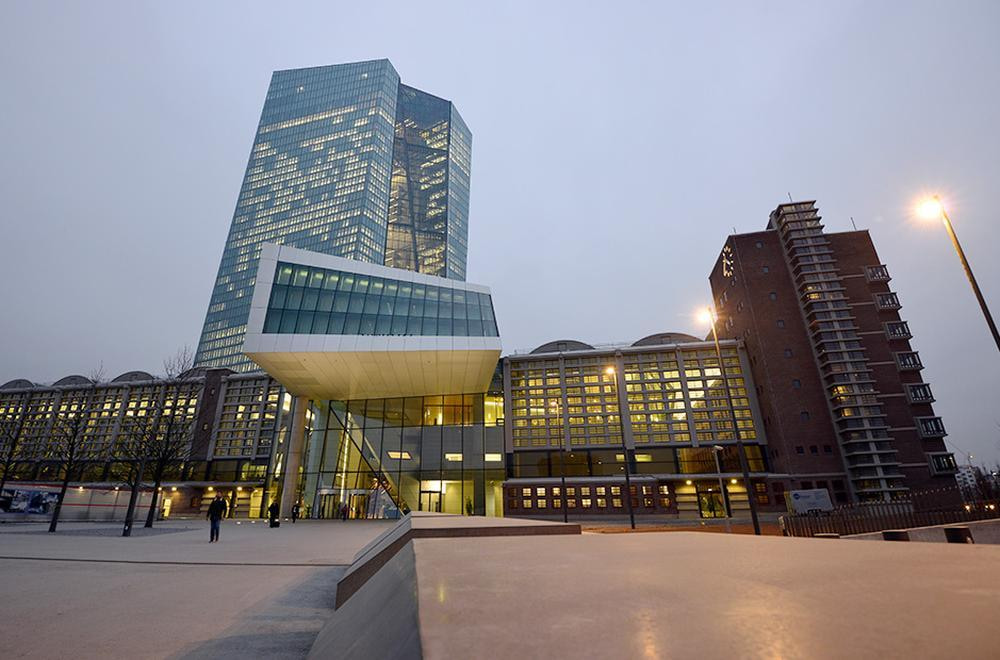
Amsterdam: Europe’s bank supervisors are running an unusual experiment this year, and its findings are due within weeks. Rather than repeat the familiar drill in which regulators impose a common adverse scenario on lenders, the European Central Bank is asking 110 directly supervised banks to design their own nightmare. In this reverse stress test, each bank is handed a predetermined loss outcome and must describe the geopolitical rupture, be it a trade war, a regional conflict or a sudden capital-flow reversal, that would produce it. Aggregate conclusions are expected over the summer.

The exercise reflects how sharply the risk landscape has tilted. Traditional stress tests probe recessions, property crashes and interest-rate spikes. They are less suited to capturing the messy, correlated damage that flows from sanctions, severed supply chains or an energy shock, where market losses, funding strains and operational disruption arrive together. By forcing banks to imagine the path to a fixed level of pain, supervisors hope to expose blind spots that a standardised scenario would miss.

The backdrop is reassuring on paper. Last year’s EU-wide stress test, covering 64 banks across 17 countries and roughly three-quarters of the bloc’s banking assets, concluded that the system could absorb a severe downturn. Even after modelled losses of 547 billion euros, aggregate core capital fell by 370 basis points to around 12 percent, a level regulators judged comfortable. Industry bodies seized on the result as proof that a decade of rebuilding buffers had paid off.

Yet capital ratios say little about whether a bank has thought through a geopolitical seizure. That is the gap the reverse test is meant to probe, and the answers banks submit will shape supervisory conversations about concentration, hedging and contingency funding long after the headline numbers fade.

Attention is already shifting to the next full exercise. The European Banking Authority has published draft methodology for its 2027 EU-wide stress test, which will cover 63 banks including 47 from the euro area. The proposals lean toward a simpler design and, for the first time, a more deliberate treatment of climate-related risk, acknowledging that transition costs and physical damage belong in any serious picture of future solvency.

For depositors and taxpayers the practical question is whether these drills change behaviour rather than merely document resilience. Supervisors can demand that banks strengthen governance, diversify funding or raise provisions where a scenario reveals fragility, and the reverse test gives them a sharper basis to do so. The summer readout will not name winners and losers in the way a pass-or-fail exam does. It will instead offer a map of where Europe’s largest lenders believe their own defences would buckle, which is arguably the more useful thing to know.