August 9, 2026
LATEST
New EU Gas Market Rules Take Effect With Consumer SafeguardsDeforestation Regulation Holds Its December Deadline Despite CutsDigital Omnibus Delays Europe’s High-Risk AI Deadline to 2027Europe’s Schools Confront a Widening Basic Skills GapRule of Law Report Finds Progress but Trust Still LagsIRIS2 Gains 66 Satellites as Brussels Signs the Rollout DealNature Restoration Plans Come Due as Member States Race a DeadlineECB Rates Hold at 2.25 Percent as Frankfurt Waits on the DataEU Budget Talks Turn to Cohesion as Ireland Takes OverWildfire Response Stretches Europe’s Emergency Fleet ThinCan Europe’s Quantum Plan Match Its Big Ambitions?Armenia Edges West as Moscow’s Grip Slips AwayEurope Inherits the World’s Aid Bill It Cannot Fully PayAir Passenger Rights Get Their First Overhaul in Two DecadesErasmus Opens a 5 Billion Euro Round for Skills and MobilityCeuta Crisis Pushes the EU Toward Faster Migrant ReturnsBulky Parcels Face a Packaging Crackdown From August 12Can Europe Build Its Drone Wall Before 2030 Arrives?Indonesia’s Trade Deal With Europe Nears Its Final SignatureEurope Leans on Beijing to Keep Climate Talks Alive Before AntalyaNew EU Gas Market Rules Take Effect With Consumer SafeguardsDeforestation Regulation Holds Its December Deadline Despite CutsDigital Omnibus Delays Europe’s High-Risk AI Deadline to 2027Europe’s Schools Confront a Widening Basic Skills GapRule of Law Report Finds Progress but Trust Still LagsIRIS2 Gains 66 Satellites as Brussels Signs the Rollout DealNature Restoration Plans Come Due as Member States Race a DeadlineECB Rates Hold at 2.25 Percent as Frankfurt Waits on the DataEU Budget Talks Turn to Cohesion as Ireland Takes OverWildfire Response Stretches Europe’s Emergency Fleet ThinCan Europe’s Quantum Plan Match Its Big Ambitions?Armenia Edges West as Moscow’s Grip Slips AwayEurope Inherits the World’s Aid Bill It Cannot Fully PayAir Passenger Rights Get Their First Overhaul in Two DecadesErasmus Opens a 5 Billion Euro Round for Skills and MobilityCeuta Crisis Pushes the EU Toward Faster Migrant ReturnsBulky Parcels Face a Packaging Crackdown From August 12Can Europe Build Its Drone Wall Before 2030 Arrives?Indonesia’s Trade Deal With Europe Nears Its Final SignatureEurope Leans on Beijing to Keep Climate Talks Alive Before Antalya
August 9, 2026
LATEST
New EU Gas Market Rules Take Effect With Consumer SafeguardsDeforestation Regulation Holds Its December Deadline Despite CutsDigital Omnibus Delays Europe’s High-Risk AI Deadline to 2027Europe’s Schools Confront a Widening Basic Skills GapRule of Law Report Finds Progress but Trust Still LagsIRIS2 Gains 66 Satellites as Brussels Signs the Rollout DealNature Restoration Plans Come Due as Member States Race a DeadlineECB Rates Hold at 2.25 Percent as Frankfurt Waits on the DataEU Budget Talks Turn to Cohesion as Ireland Takes OverWildfire Response Stretches Europe’s Emergency Fleet ThinCan Europe’s Quantum Plan Match Its Big Ambitions?Armenia Edges West as Moscow’s Grip Slips AwayEurope Inherits the World’s Aid Bill It Cannot Fully PayAir Passenger Rights Get Their First Overhaul in Two DecadesErasmus Opens a 5 Billion Euro Round for Skills and MobilityCeuta Crisis Pushes the EU Toward Faster Migrant ReturnsBulky Parcels Face a Packaging Crackdown From August 12Can Europe Build Its Drone Wall Before 2030 Arrives?Indonesia’s Trade Deal With Europe Nears Its Final SignatureEurope Leans on Beijing to Keep Climate Talks Alive Before AntalyaNew EU Gas Market Rules Take Effect With Consumer SafeguardsDeforestation Regulation Holds Its December Deadline Despite CutsDigital Omnibus Delays Europe’s High-Risk AI Deadline to 2027Europe’s Schools Confront a Widening Basic Skills GapRule of Law Report Finds Progress but Trust Still LagsIRIS2 Gains 66 Satellites as Brussels Signs the Rollout DealNature Restoration Plans Come Due as Member States Race a DeadlineECB Rates Hold at 2.25 Percent as Frankfurt Waits on the DataEU Budget Talks Turn to Cohesion as Ireland Takes OverWildfire Response Stretches Europe’s Emergency Fleet ThinCan Europe’s Quantum Plan Match Its Big Ambitions?Armenia Edges West as Moscow’s Grip Slips AwayEurope Inherits the World’s Aid Bill It Cannot Fully PayAir Passenger Rights Get Their First Overhaul in Two DecadesErasmus Opens a 5 Billion Euro Round for Skills and MobilityCeuta Crisis Pushes the EU Toward Faster Migrant ReturnsBulky Parcels Face a Packaging Crackdown From August 12Can Europe Build Its Drone Wall Before 2030 Arrives?Indonesia’s Trade Deal With Europe Nears Its Final SignatureEurope Leans on Beijing to Keep Climate Talks Alive Before Antalya

Tobacco Tax Overhaul Pulls Vapes Into the Minimum Rates

Sofia: A long-delayed revision of the Union’s tobacco tax rules is grinding through Council negotiations, and finance ministries in high-consumption states like Bulgaria are weighing what tighter minimum rates would mean for prices and public health.

The overhaul stems from a Commission proposal to modernise the Tobacco Taxation Directive, tabled alongside changes to the wider excise framework. The aim is to restore the bite of EU-wide minimum rates that inflation has eroded, and to widen their reach so that newer products no longer escape the net. Under the plan, the revised rules would apply from 2028, with a transitional period to cushion the steepest increases.

The tobacco tax debate now turns squarely on vapes and heated products. For years, e-cigarettes, heated tobacco and nicotine pouches sat in a grey zone, taxed lightly or not at all in some member states, which handed them a price advantage over traditional cigarettes. The proposal drags these categories into the excise system and sets minimum rates for them, a move that supporters frame as closing a loophole and critics call an overreach into harm-reduction tools.

National positions split along familiar lines. States with high smoking rates and modest excise floors face the largest jumps, and their governments worry about the burden on lower-income households and the pull of cross-border shopping. Wealthier members with already high duties press for ambitious minimums, arguing that a patchwork of rates fuels smuggling and undercuts the health goals the directive is meant to serve.

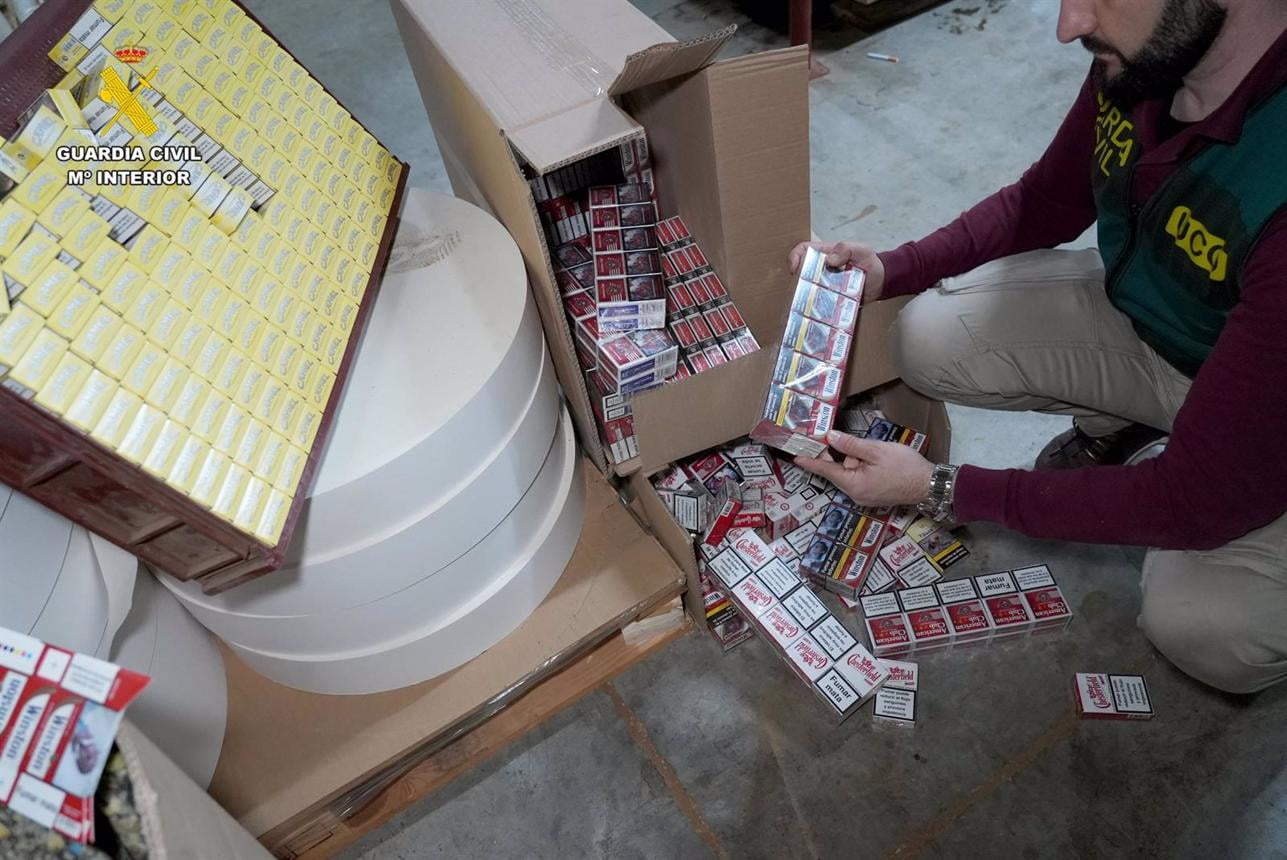
Illicit trade shadows every part of the discussion. Analysts warn that sharp, sudden increases can push price-sensitive smokers toward the black market, where untaxed cigarettes flow across porous borders. Proponents counter that the directive pairs higher rates with an automatic adjustment mechanism tied to inflation, which would keep the real value of the tax steady and avoid the periodic shocks that hand smugglers an opening.

The revenue stakes run high. Tobacco excise fills national treasuries with substantial sums, so ministers guard their room to set rates above any EU floor. The Commission insists the reform leaves that freedom intact while lifting the bottom, ensuring that no member state can undercut its neighbours with rock-bottom duties that lure buyers and distort the internal market.

Progress remains slow because tax files demand unanimity. Every government holds a veto, which turns the negotiation into a search for a package that even reluctant capitals can accept. Successive presidencies have circulated compromise texts, trimming the ambition on rates or stretching the timeline to bring holdouts on board, and the file is likely to consume many more months of technical haggling.

The Commission’s reasoning and the shape of the proposed rates appear on its tobacco taxation pages. Whatever emerges from Council, the direction looks set, with vapes and heated products moving from the fringes of the tax system toward its centre, and minimum rates climbing to catch up with a decade of lost ground.