Dublin: The European Union’s long-promised modernisation of tobacco taxation is once again stuck, caught between a Parliament that wants to press ahead and a Council that cannot agree to move at all. On 3 June the Parliament’s Economic and Monetary Affairs Committee adopted its position on the revised Tobacco Taxation Directive by 32 votes to 21, with two abstentions, but in a deliberately scaled-back form that strips out some of the steeper increases floated earlier in the process. On the very same day the file was pulled from the agenda of the Economic and Financial Affairs Council, and when finance ministers met on 12 June they did not discuss it. The dossier now rests with the Irish presidency, which inherits a familiar problem.
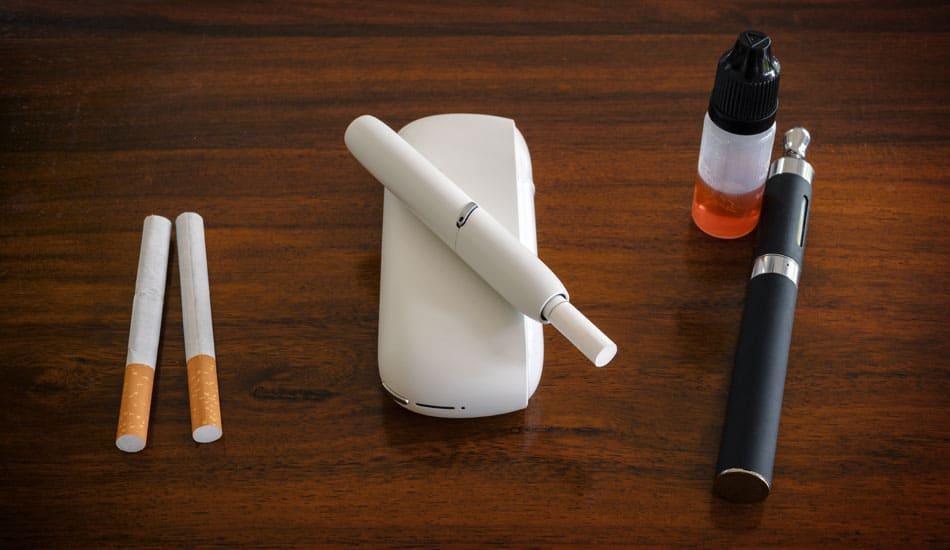
The roots of the deadlock are structural. Taxation is one of the few areas where EU law still requires unanimity in the Council, handing every member state an effective veto. The Commission proposed overhauling the 2011 directive in July 2025, arguing that minimum excise rates set more than a decade ago have been overtaken by inflation and, more importantly, by a market that barely existed when the rules were written. Heated tobacco products, disposable vapes and nicotine pouches now occupy shelf space that cigarettes once monopolised, yet they sit awkwardly inside a legal framework designed for conventional tobacco.
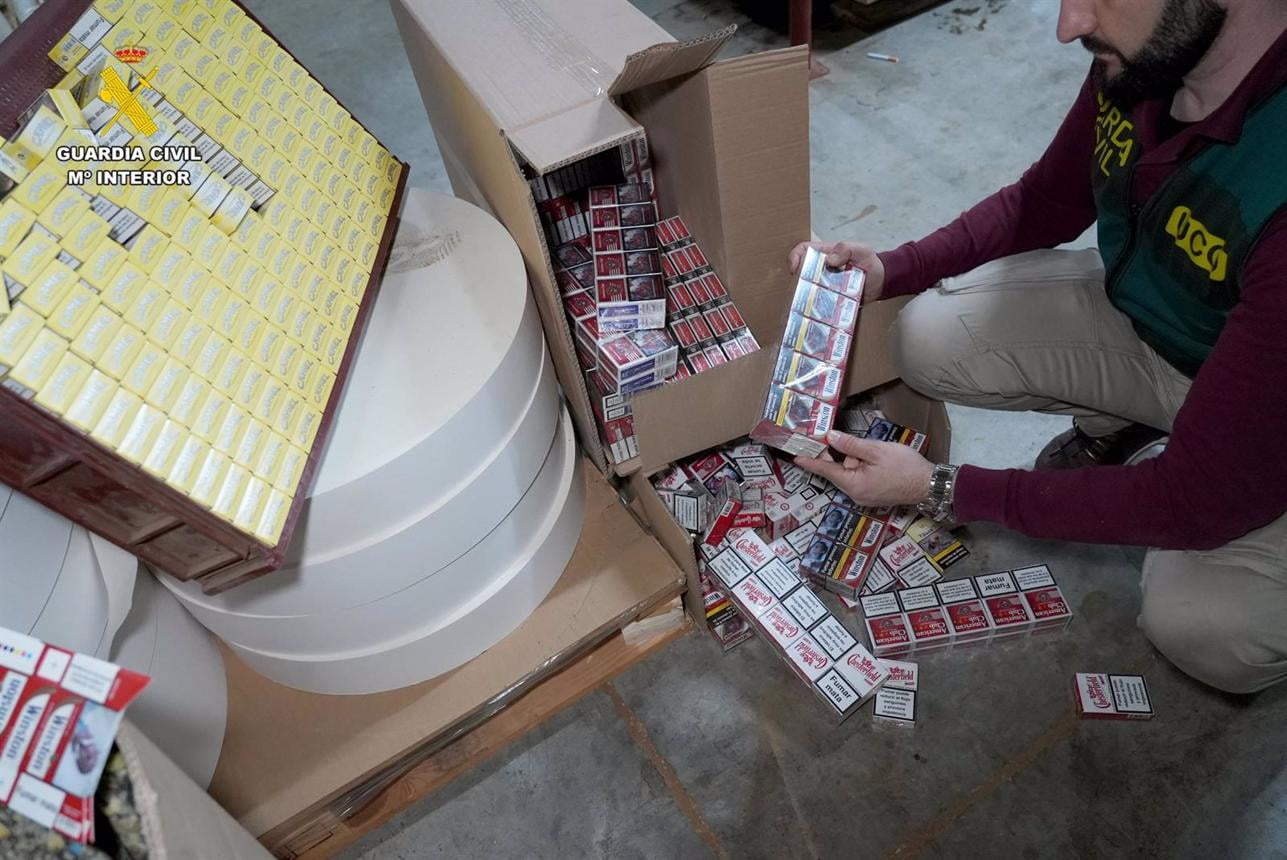
The political fault lines are predictable but stubborn. Higher-tax northern states see harmonised minimum rates as a public-health win and a way to curb cross-border bootlegging. Lower-tax members in the south and east warn that sharp increases would fuel smuggling, squeeze lower-income smokers and hand revenue to illicit traders rather than treasuries. Producing countries lobby to shield heated-tobacco categories from the toughest treatment. Because none of these positions has shifted decisively, the unanimity threshold turns disagreement into paralysis.
Why it matters reaches beyond ashtrays and excise stamps. Tobacco duties are a meaningful revenue source for national budgets and a central instrument of health policy, and the gap between what newer nicotine products are taxed and what cigarettes pay is widening every year the directive stays frozen. Campaigners argue that under-taxed vapes are drawing in younger users; industry groups counter that punitive rates would push consumers toward unregulated supply.
What happens next is uncertain. The Irish presidency can keep the file alive technically, but without a credible path to unanimity it cannot force a result, and the Parliament’s committee text means little until ministers engage. For now the revision joins a long list of tax dossiers that command broad rhetorical support and yet cannot clear the Council’s highest procedural bar.