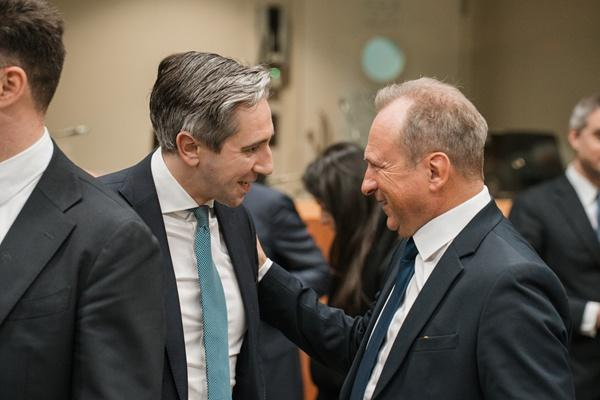
Cork: The revised Tobacco Taxation Directive was due to reach finance ministers on 9 November 2026, when the Economic and Financial Affairs Council planned to seek political agreement on the tobacco taxation package. Simon Harris of Ireland chaired the session, and the item was scheduled for the afternoon in public. The sources reviewed do not report the outcome, so the result of the discussion remains unconfirmed.
The Commission presented the proposal on 16 July 2025 as a recast of the Tobacco Taxation Directive, which dates from 2010. It raises the EU minimum excise rates and adjusts the minimum to the general price level in each member state. The advisory published on 6 November gives no specific euro or percentage minimums, so the size of the increases still has to come from the legislative text.
The proposal also widens the scope. Under the revised Tobacco Taxation Directive, e-cigarettes, heated tobacco and nicotine pouches would fall under common EU rules for the first time, and raw tobacco would move under the Excise Movement and Control System. The Commission says the rules would apply from 2028, with a four-year transitional period for some products.
Public health explains much of the push. The Commission cites that 24 percent of the EU population smokes and that the Beating Cancer Plan aims for tobacco use below 5 percent by 2040. It also notes that the average national rate already exceeds twice the current EU minimum, and that new products account for 13 percent of the EU tobacco market by value.
Industry has already set out its objections. Tobacco Europe welcomes separate categories for the new products but argues that the minimum rates are too high. It warns of lower revenue, more illicit trade in lower-income member states and less national tax sovereignty, and it asks for increases in line with inflation and income growth. The advisory does not report positions from individual governments.
Tax files need unanimity in the Council, which gives any single capital the power to block the Tobacco Taxation Directive or to demand longer transition periods. That rule is the main reason this file has taken so long to move. Ministers must also balance health goals against budget revenue and against the risk that higher prices push consumers to cross-border or illegal supply.
The same agenda covered the economic impact of Russia’s war against Ukraine, simplification, the Stability and Growth Pact and the Recovery and Resilience Facility, so the tobacco item competed for attention with larger fiscal questions. Ministers also had a briefing on financial services proposals under any other business.
Whatever happened in the room, the next steps will show the real position. If ministers reached political agreement, lawyers will finalise the text and the Parliament will give its opinion. If they did not, the Tobacco Taxation Directive will stay on the Presidency’s list of unfinished business as 2026 closes.