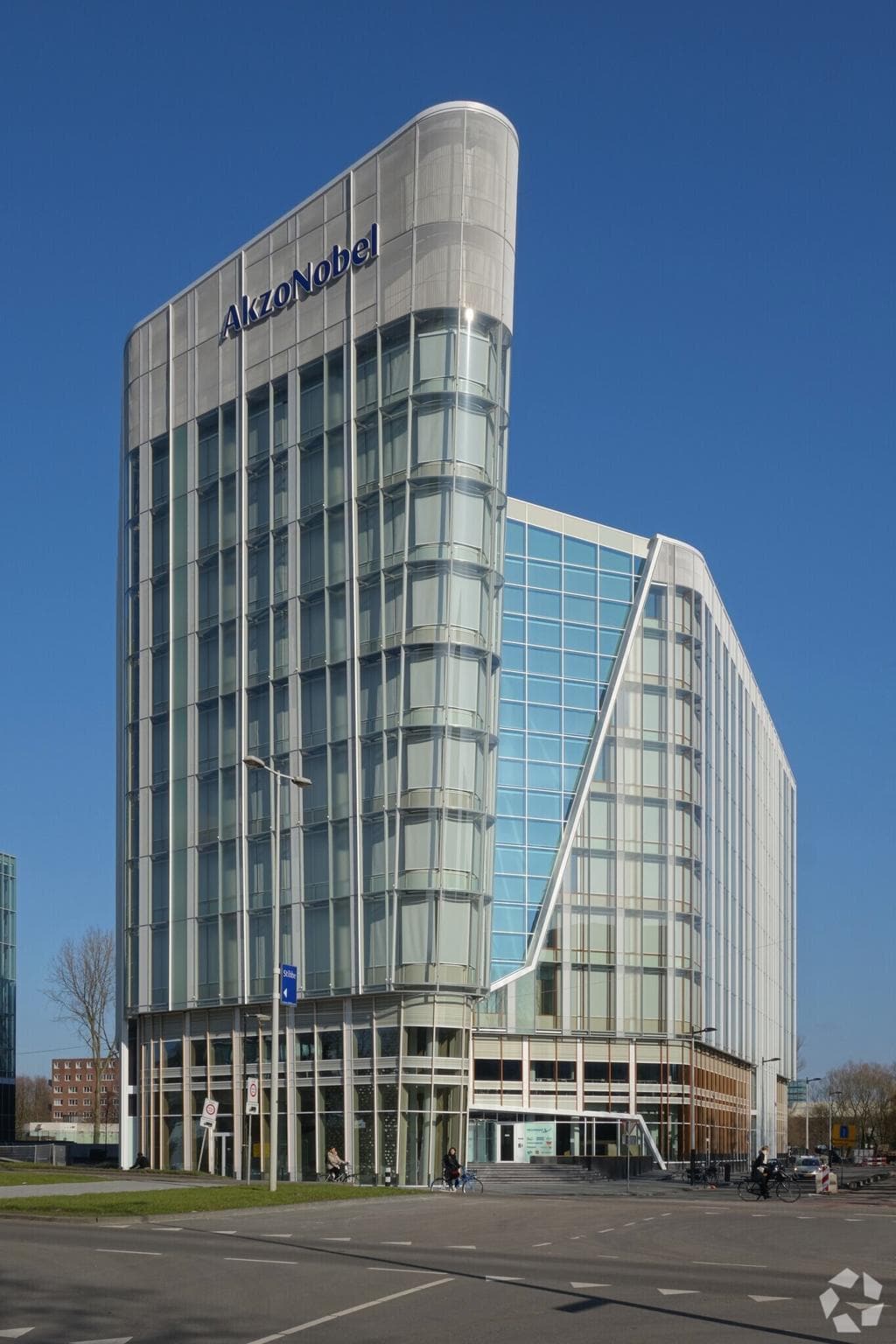
Amsterdam: The company behind Dulux and Sikkens paints has cleared a procedural milestone on its way to becoming one of the largest coatings groups on the planet, and now the hardest gatekeeper still lies ahead. AkzoNobel confirmed in late June that United States securities regulators had approved the registration paperwork for its planned merger of equals with the American refinish specialist Axalta Coating Systems, and that a parallel disclosure document had been filed with the Dutch financial authority ahead of a share listing in Amsterdam. Shareholders will vote in the coming months, but the deal cannot close until Europe’s competition enforcers have had their say.
That review matters because paints and coatings are not a single market but a patchwork of them. AkzoNobel is a heavyweight in decorative paints for households and in protective and marine coatings applied to ships, bridges and pipelines. Axalta’s strength lies in the coatings sprayed onto new vehicles and, above all, in the refinish products that body shops use to repair damaged cars. Where those lines overlap, and where the combined group would hold an unusually large slice of a national or regional market, the Commission’s merger unit will hunt for evidence that customers could face higher prices or fewer alternatives once a rival is absorbed.
European merger control follows a familiar rhythm. A formal notification opens a first-phase examination lasting several weeks, during which officials survey competitors, distributors and industrial buyers. If the answers raise concerns, the case moves into a deeper second-phase investigation that can stretch across months and often ends with the companies offering remedies. In coatings deals that usually means divesting specific brands, plants or distribution contracts so a viable competitor inherits the business the merger would otherwise erase. The parties expect scrutiny, noting in their own filings that a required approval could be delayed or granted only on terms they did not originally anticipate.
The stakes run beyond two balance sheets. Car makers and their repair networks depend on a competitive supply of refinish coatings, and shipowners and builders rely on a handful of protective-coating suppliers with the scale to serve global contracts. Consolidation at the top can sharpen efficiency and research budgets, but it also thins the field of independent suppliers that keep prices honest. Regulators will weigh the promise of a stronger European champion against the risk that fewer players leave buyers with less room to negotiate.
None of this is unusual for a deal of this size, and the companies insist the combination will create value without harming customers. What the coming review will test is whether that confidence survives contact with the market evidence. Accept the case with modest divestitures and the merged group could emerge as a formidable global force within quarters. Dig in, and the timetable the two boards have sketched could slip well into next year, a reminder that in Europe even a friendly union of equals answers to the referee before it answers to shareholders.