Valencia: The Union Civil Protection Mechanism would lose 35% of its proposed funding for 2028 to 2034 under the budget compromise that the Irish Council presidency presented on 10 October 2026. Funding would fall from the €10.7 billion that the European Commission proposed to €6.9 billion, a reduction of €3.8 billion that members of the European Parliament now want reversed.
Members of the Parliament’s intergroup on resilience, disaster management and civil protection issued their criticism on 13 October. They argue that the cut to the Union Civil Protection Mechanism arrives just as wildfires, floods and storms ask more of the system every year. Leire Pajín, a Spanish member of the S&D group, said the EU should invest in preparedness and prevention rather than only bear the effects of disasters.
The proposed reduction is not confined to the Union Civil Protection Mechanism itself. Funding for solidarity measures after natural disasters would drop by 55%, from €20.1 billion to €9.1 billion. Together, the two lines cover the tools that the EU uses to pool rescue equipment, send teams across borders and help stricken regions rebuild after a disaster.
Parliament’s own position is stronger than the Commission’s. Its environment and health committees requested €12.4 billion for the Union Civil Protection Mechanism, and the intergroup now asks for at least €10.7 billion. That makes the Commission’s original number the floor of the parliamentary demand rather than the ceiling, and it sets up a clash with a presidency text that sits far below both.
The Union Civil Protection Mechanism coordinates assistance when a country’s own capacity is overwhelmed. A government facing a large fire or flood can request aircraft, firefighters or pumping equipment from partners, and the shared rescEU reserve holds capacity that no single state would buy alone. Supporters argue that pooling costs less than 27 separate stockpiles, and that each euro spent on prevention reduces reconstruction bills later.
Critics of larger spending answer that national governments carry the first line of response and that tight budgets force hard choices. The Irish text reflects that argument, since it trims several lines to reach an overall budget about 8% below the Commission’s proposal. Civil protection simply took one of the larger percentage cuts.
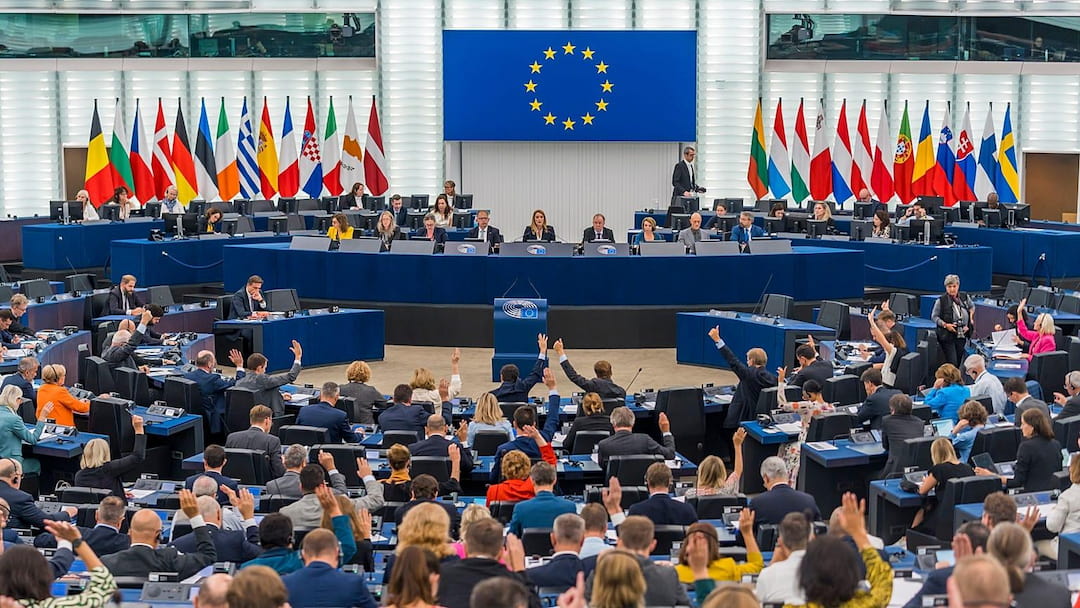
The wider budget fight is far from settled. The European Council no longer appears to rule out an agreement after the end of 2026, which gives advocates more time to lobby. For Parliament, which must consent to the final deal, the Union Civil Protection Mechanism has become a test of whether prevention can compete with defence and competitiveness for scarce money.