Bucharest: In the kiosks and specialist shops that have multiplied across the Romanian capital over the past five years, the price of a vaping refill or a packet of heated-tobacco sticks owes far more to where it is sold than to any common European floor. That patchwork is what the Commission now wants to end, and the proposal to do it has reached a delicate stage in both the Council and the European Parliament.
The revision of the Tobacco Taxation Directive, tabled by the Commission on 16 July 2025 alongside changes to the horizontal Excise Duty Directive, would for the first time bring e-cigarettes, heated tobacco and nicotine pouches within the scope of EU-wide minimum excise duties. These products have grown into a substantial market while sitting almost entirely outside the harmonised tax framework that has governed cigarettes and rolling tobacco for decades, leaving member states to tax them as they please or barely at all.
The Commission’s case rests on two arguments. The first is fiscal coherence: the existing minimum rates, unchanged for over a decade and never indexed to inflation, have lost much of their bite because most member states already tax conventional tobacco well above the floor, leaving the EU minimum largely symbolic. The second is public health, the contention that newer nicotine products should not enjoy a permanent tax advantage that makes them cheaper than the cigarettes they are often marketed as replacing, particularly given concern about uptake among younger consumers.
The politics are predictably fraught. Tobacco taxation requires unanimity in the Council, the same high bar that has stalled more ambitious EU tax files, and member states diverge sharply on how hard to tax products that some governments view primarily as harm-reduction tools and others as a gateway to be discouraged. The Danish presidency prepared a first compromise text in December 2025, and in the European Parliament a draft report appeared in March 2026, with the responsible commissioner publicly pressing for higher duties on the most addictive products. Lower-income member states, including several in central and eastern Europe where affordability shapes consumption patterns more directly, have historically resisted rapid increases that they fear would fuel cross-border smuggling and illicit trade.
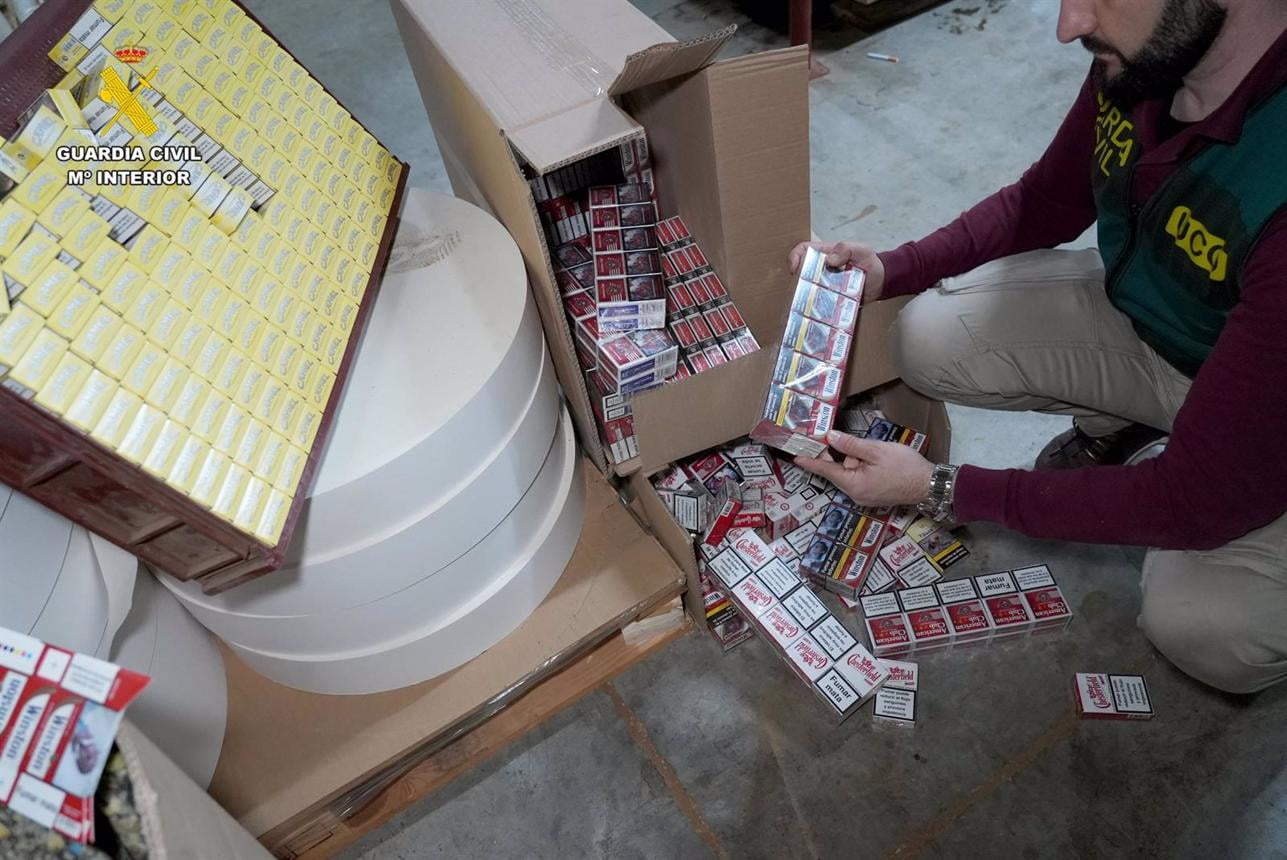
That smuggling concern is not abstract for a country like Romania, which sits on one of the EU’s external frontiers and has long contended with contraband flowing across it. National finance officials tend to argue that excise rises must be calibrated against the realistic risk of pushing consumers toward an untaxed black market, a dynamic that can erode the very revenue a higher rate is meant to capture, while also undermining the health rationale by putting unregulated products into circulation.
The revised directive, if agreed, would apply from 2028, with a four-year transitional period built in to ease the introduction of new rates for the products being taxed for the first time. That timeline reflects both the technical complexity of defining and measuring novel nicotine products for tax purposes and the political reality that unanimity is easier to reach when the pain is deferred and phased.
For the shopkeepers of Bucharest, the practical question is when, not whether, the price gap between a vape and a cigarette begins to narrow under a common European rule. For the negotiators, the harder question is whether twenty-seven governments with sharply different views on nicotine can agree a single floor at all, or whether tobacco joins the long list of EU tax ambitions that founder on the unanimity rock.