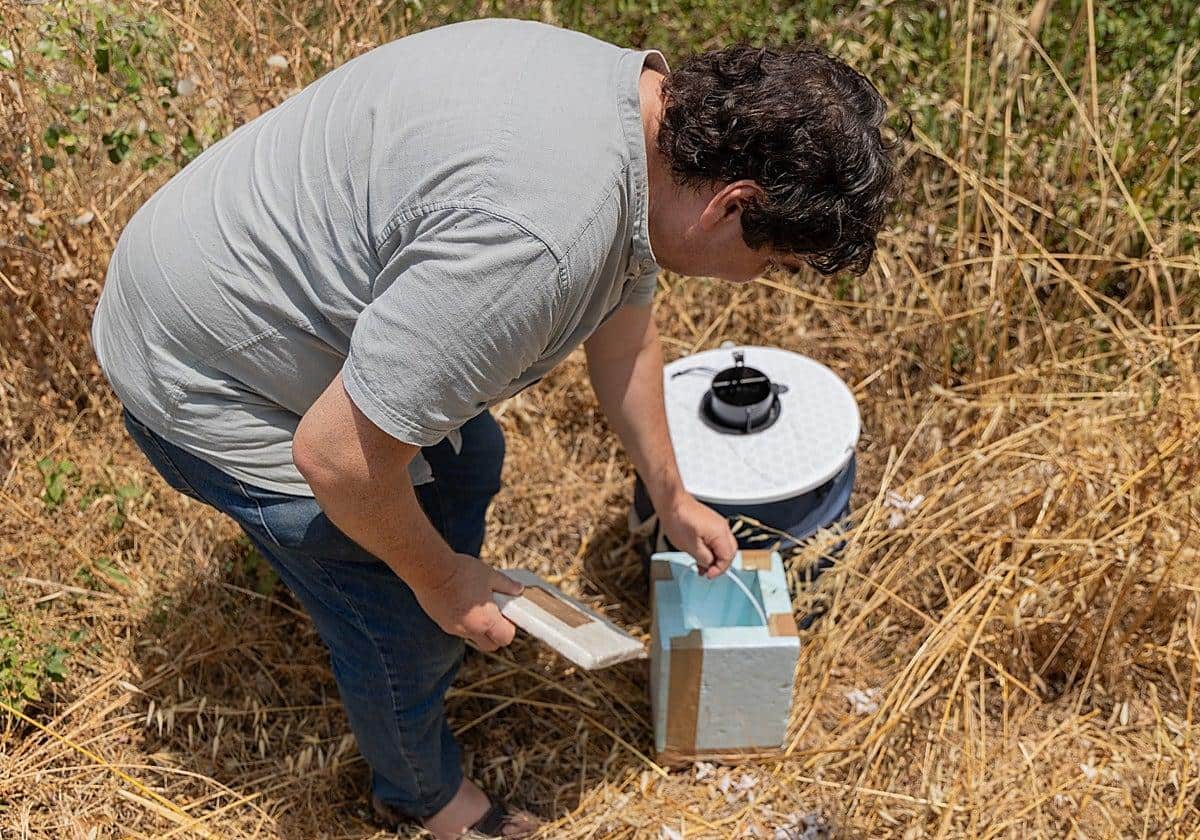
Padua: Public health teams across southern Europe are trapping mosquitoes and testing blood donations earlier than usual this summer, after the European Centre for Disease Prevention and Control flagged rising West Nile virus activity in its latest threat reports.
The agency’s communicable disease bulletin for the week of 6 to 10 July listed West Nile among the infections it tracks most closely, alongside other mosquito-borne threats such as chikungunya. Warm springs and long, hot summers let the Culex mosquitoes that carry the virus breed for more of the year, and they push the risk zone steadily northward from its old strongholds in the Po Valley and the Balkans.
West Nile rarely makes people seriously ill. Most who catch it feel nothing at all, and only a small share develop fever or, in rare cases, dangerous inflammation of the brain. That mild profile hides a real problem for blood services, because an infected donor can pass the virus on without knowing it. National authorities therefore suspend or screen donations in affected districts once the season starts.
The ECDC coordinates a surveillance network that pools case counts from every member state, so a cluster in one region triggers alerts in neighbouring ones. Local teams respond by cutting stagnant water where larvae grow, spraying breeding sites, and urging residents to empty flowerpots and gutters that collect rain.
Doctors say the harder task is public awareness. There is no vaccine and no specific cure for people, so prevention rests on avoiding bites. Health ministries repeat familiar advice about repellent, screens, and long sleeves at dusk, yet the message competes with the ordinary rhythms of a European summer spent outdoors.
Climate change sits behind the trend. Milder winters let mosquito eggs survive, and hotter summers speed the virus as it multiplies inside the insect. Researchers who model the spread expect the season to lengthen and the map to widen, which is why surveillance now reaches areas that saw no cases a decade ago.
Veterinary services watch too, because horses fall ill with West Nile and birds carry it along migration routes. That link between animal and human health shapes the response, and it feeds the case for the joint monitoring the agency has built.
For now the numbers stay modest, but officials treat early detection as the cheapest defence. Catching the first infected mosquito pool buys time to warn hospitals, protect the blood supply, and target control before the peak weeks of August arrive.