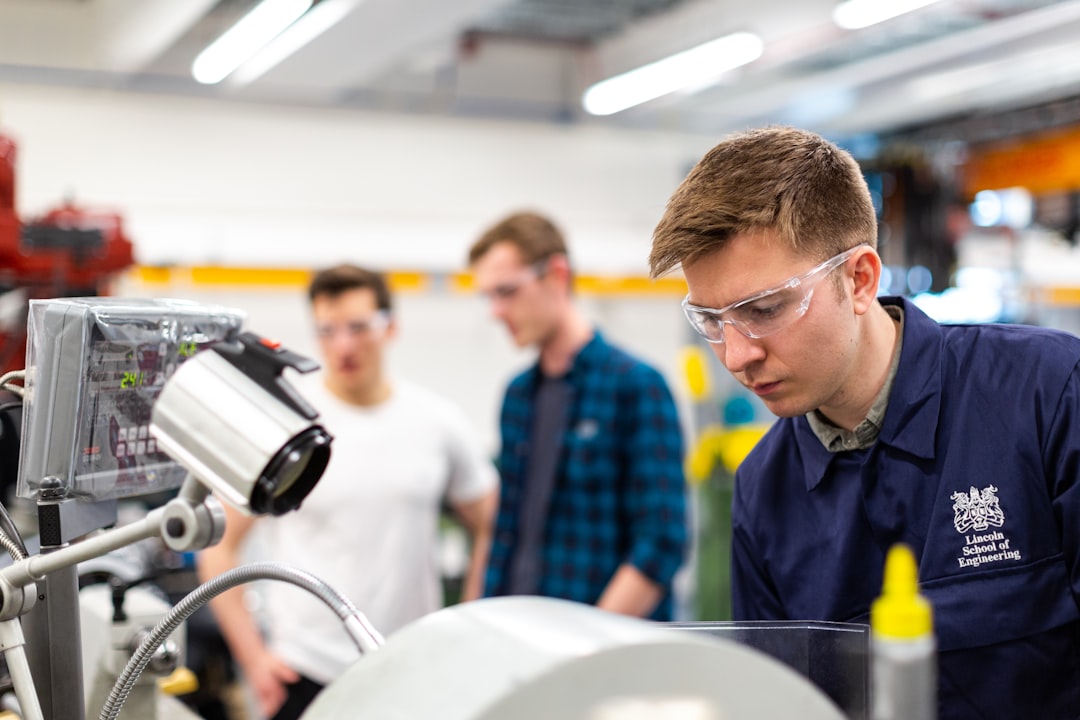
Delft: In the lecture halls of one of Europe’s storied technical universities, the worry is not a shortage of demand for engineers but a shortage of the students to become them. The same anxiety runs through the Union’s education ministries, and it animates the STEM Education Strategic Plan, an initiative now moving from paper into practice with a first wave of funding calls launched by early this year.
The plan responds to an uncomfortable trend. Performance in science, technology, engineering and mathematics has been slipping in European schools, even as the bloc stakes its competitiveness on advanced manufacturing, clean technology and digital industries that all run on technical talent. The strategy, a flagship of the wider Union of Skills agenda, sets out to reverse the decline and, just as pointedly, to pull more students, especially girls and young women, toward technical study and careers where they remain underrepresented.
Its ambitions are organised around three verbs. The plan aims to anchor STEM as a strategic pillar of education policy, to widen and strengthen the talent pipeline, and to lift the barriers that keep women out of technical fields. Translated into action, that means a STEM competence framework spanning every stage of education, pilots that pair companies with young would-be entrepreneurs through mentoring, and skills foundries in strategic sectors that try to connect classrooms with the industries hunting for graduates.
Higher education sits at the centre of the design. One of the most closely watched components is work toward a European degree for engineers, a joint qualification meant to span bachelor, master and doctoral levels and to travel cleanly across borders. The idea draws on the European Universities alliances and on specialist skills academies, and it promises something graduates have long wanted: a credential recognised everywhere in the Union without the laborious comparison of national diplomas. For a city built around engineering education, the prospect of a common European engineering degree is more than administrative housekeeping.
Money is following the rhetoric, though in measured amounts. Several calls for proposals have already opened to fund the plan’s actions, and bodies linked to the bloc’s innovation ecosystem have put substantial sums on the table to strengthen cooperation between universities and to seed STEM ventures. The scale is modest next to the size of the challenge, and the plan leans heavily on coordinating national systems rather than replacing them, since education remains a competence guarded jealously by member states.
That reliance on coordination is both the strategy’s strength and its limit. The Commission can convene, fund pilots and set frameworks, but it cannot order a member state to rewrite its school curriculum or to train more maths teachers. The plan’s success will therefore depend on whether national governments treat it as a genuine priority or as a brochure. Educators warn that the deeper bottleneck, a shortage of qualified teachers in technical subjects, will not yield to project funding alone.
The stakes are framed in stark economic terms. Officials argue that without a far larger and more diverse pool of technically trained graduates, the Union’s plans for industrial revival and technological autonomy rest on a foundation it does not have. The strategy is a bet that the pipeline can be widened in time. The students now choosing their subjects will determine whether the bet pays off.