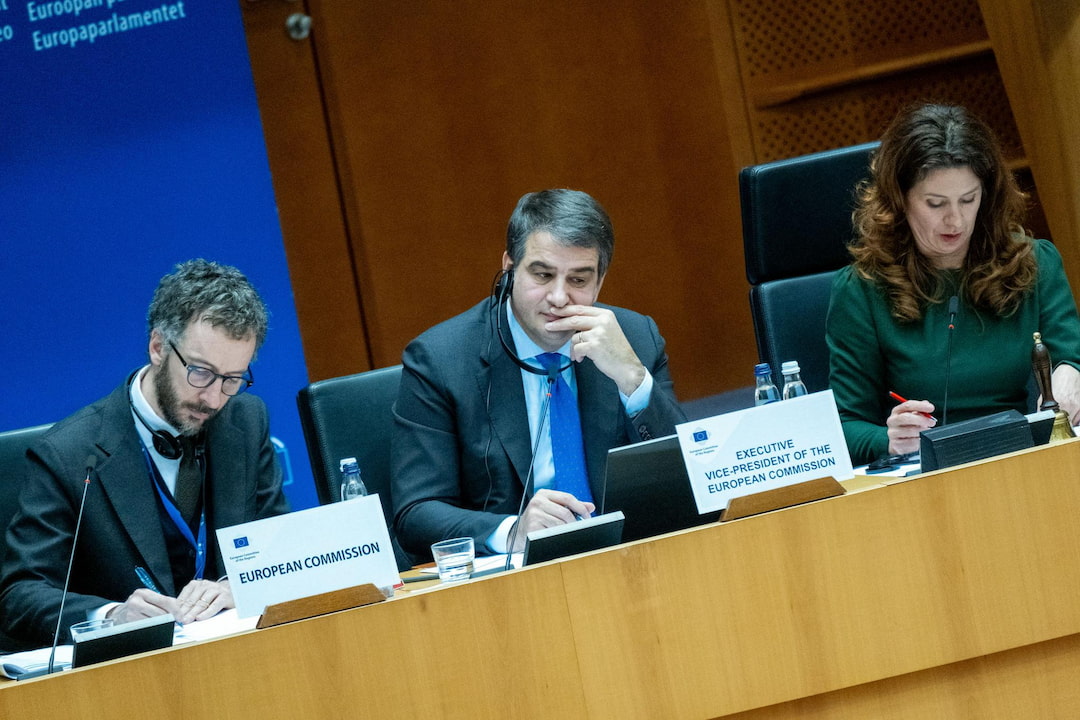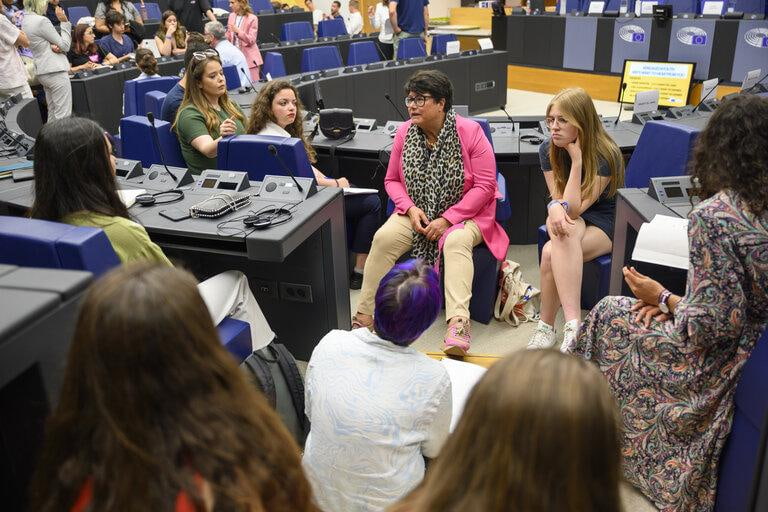
Ljubljana: Youth civic participation has risen sharply across the European Union, according to a Flash Eurobarometer on youth and democracy that the European Commission published on 29 October 2026. The survey finds that 75 percent of young people aged 15 to 30 took part in activities of organisations in the past twelve months, up from 64 percent in 2024.
Fieldwork ran from 19 June to 1 July 2026 and covered 26,806 people in all 27 member states, who answered through web interviews. Sports clubs attracted the most participants at 26 percent, while youth clubs followed at 20 percent. The poll also shows 55 percent joined an initiative for societal change, compared with 48 percent two years earlier.
Cross-border experience is climbing fast as well. Some 60 percent of respondents had taken part in activities in another EU country, such as study, cultural or sports exchanges or volunteering, which is 17 points more than in 2024. Another 75 percent said that EU action affects their daily lives, a result that supports the argument for exchange programmes.
Young Europeans also set out what they expect from the Union. Preserving peace ranks first at 33 percent, ahead of fighting poverty and inequality at 32 percent and creating more job opportunities at 31 percent. When asked about youth policy, 40 percent named job opportunities and the cost of living as the top priority, while 32 percent wanted a say in decisions and 32 percent wanted financial support for youth programmes.
The findings on being heard are revealing. Respondents judged voting the most effective way to make their voices count at 33 percent, and social media came close behind at 32 percent. Those figures show that youth civic participation moves through both formal and digital channels, and policymakers cannot rely on one route alone.
The Commission links the poll to its campaign called Protect What Matters, Our Democracy. A European Citizens’ Panel on democratic resilience, in which one third of participants are aged 16 to 29, is preparing recommendations. Officials say the results will also feed reflection on the EU Youth Strategy after 2027.
Teachers and youth workers read the data as evidence that programmes work when they stay accessible. Local clubs, volunteering schemes and exchanges give young people a route into public life, and youth civic participation grows where such opportunities exist close to home and at low cost. Policymakers now treat youth civic participation as a result worth tracking each year.
For education and culture ministries, the message is practical. Funding for youth organisations, sports clubs and exchange schemes appears to produce engagement, and young people want jobs and housing costs addressed alongside democratic voice. If the trend holds, youth civic participation could become a measurable target in the next generation of EU youth policy.