August 9, 2026
LATEST
New EU Gas Market Rules Take Effect With Consumer SafeguardsDeforestation Regulation Holds Its December Deadline Despite CutsDigital Omnibus Delays Europe’s High-Risk AI Deadline to 2027Europe’s Schools Confront a Widening Basic Skills GapRule of Law Report Finds Progress but Trust Still LagsIRIS2 Gains 66 Satellites as Brussels Signs the Rollout DealNature Restoration Plans Come Due as Member States Race a DeadlineECB Rates Hold at 2.25 Percent as Frankfurt Waits on the DataEU Budget Talks Turn to Cohesion as Ireland Takes OverWildfire Response Stretches Europe’s Emergency Fleet ThinCan Europe’s Quantum Plan Match Its Big Ambitions?Armenia Edges West as Moscow’s Grip Slips AwayEurope Inherits the World’s Aid Bill It Cannot Fully PayAir Passenger Rights Get Their First Overhaul in Two DecadesErasmus Opens a 5 Billion Euro Round for Skills and MobilityCeuta Crisis Pushes the EU Toward Faster Migrant ReturnsBulky Parcels Face a Packaging Crackdown From August 12Can Europe Build Its Drone Wall Before 2030 Arrives?Indonesia’s Trade Deal With Europe Nears Its Final SignatureEurope Leans on Beijing to Keep Climate Talks Alive Before AntalyaNew EU Gas Market Rules Take Effect With Consumer SafeguardsDeforestation Regulation Holds Its December Deadline Despite CutsDigital Omnibus Delays Europe’s High-Risk AI Deadline to 2027Europe’s Schools Confront a Widening Basic Skills GapRule of Law Report Finds Progress but Trust Still LagsIRIS2 Gains 66 Satellites as Brussels Signs the Rollout DealNature Restoration Plans Come Due as Member States Race a DeadlineECB Rates Hold at 2.25 Percent as Frankfurt Waits on the DataEU Budget Talks Turn to Cohesion as Ireland Takes OverWildfire Response Stretches Europe’s Emergency Fleet ThinCan Europe’s Quantum Plan Match Its Big Ambitions?Armenia Edges West as Moscow’s Grip Slips AwayEurope Inherits the World’s Aid Bill It Cannot Fully PayAir Passenger Rights Get Their First Overhaul in Two DecadesErasmus Opens a 5 Billion Euro Round for Skills and MobilityCeuta Crisis Pushes the EU Toward Faster Migrant ReturnsBulky Parcels Face a Packaging Crackdown From August 12Can Europe Build Its Drone Wall Before 2030 Arrives?Indonesia’s Trade Deal With Europe Nears Its Final SignatureEurope Leans on Beijing to Keep Climate Talks Alive Before Antalya
August 9, 2026
LATEST
New EU Gas Market Rules Take Effect With Consumer SafeguardsDeforestation Regulation Holds Its December Deadline Despite CutsDigital Omnibus Delays Europe’s High-Risk AI Deadline to 2027Europe’s Schools Confront a Widening Basic Skills GapRule of Law Report Finds Progress but Trust Still LagsIRIS2 Gains 66 Satellites as Brussels Signs the Rollout DealNature Restoration Plans Come Due as Member States Race a DeadlineECB Rates Hold at 2.25 Percent as Frankfurt Waits on the DataEU Budget Talks Turn to Cohesion as Ireland Takes OverWildfire Response Stretches Europe’s Emergency Fleet ThinCan Europe’s Quantum Plan Match Its Big Ambitions?Armenia Edges West as Moscow’s Grip Slips AwayEurope Inherits the World’s Aid Bill It Cannot Fully PayAir Passenger Rights Get Their First Overhaul in Two DecadesErasmus Opens a 5 Billion Euro Round for Skills and MobilityCeuta Crisis Pushes the EU Toward Faster Migrant ReturnsBulky Parcels Face a Packaging Crackdown From August 12Can Europe Build Its Drone Wall Before 2030 Arrives?Indonesia’s Trade Deal With Europe Nears Its Final SignatureEurope Leans on Beijing to Keep Climate Talks Alive Before AntalyaNew EU Gas Market Rules Take Effect With Consumer SafeguardsDeforestation Regulation Holds Its December Deadline Despite CutsDigital Omnibus Delays Europe’s High-Risk AI Deadline to 2027Europe’s Schools Confront a Widening Basic Skills GapRule of Law Report Finds Progress but Trust Still LagsIRIS2 Gains 66 Satellites as Brussels Signs the Rollout DealNature Restoration Plans Come Due as Member States Race a DeadlineECB Rates Hold at 2.25 Percent as Frankfurt Waits on the DataEU Budget Talks Turn to Cohesion as Ireland Takes OverWildfire Response Stretches Europe’s Emergency Fleet ThinCan Europe’s Quantum Plan Match Its Big Ambitions?Armenia Edges West as Moscow’s Grip Slips AwayEurope Inherits the World’s Aid Bill It Cannot Fully PayAir Passenger Rights Get Their First Overhaul in Two DecadesErasmus Opens a 5 Billion Euro Round for Skills and MobilityCeuta Crisis Pushes the EU Toward Faster Migrant ReturnsBulky Parcels Face a Packaging Crackdown From August 12Can Europe Build Its Drone Wall Before 2030 Arrives?Indonesia’s Trade Deal With Europe Nears Its Final SignatureEurope Leans on Beijing to Keep Climate Talks Alive Before Antalya

Air Passenger Rights Get A Rewrite After A 13-Year Deadlock

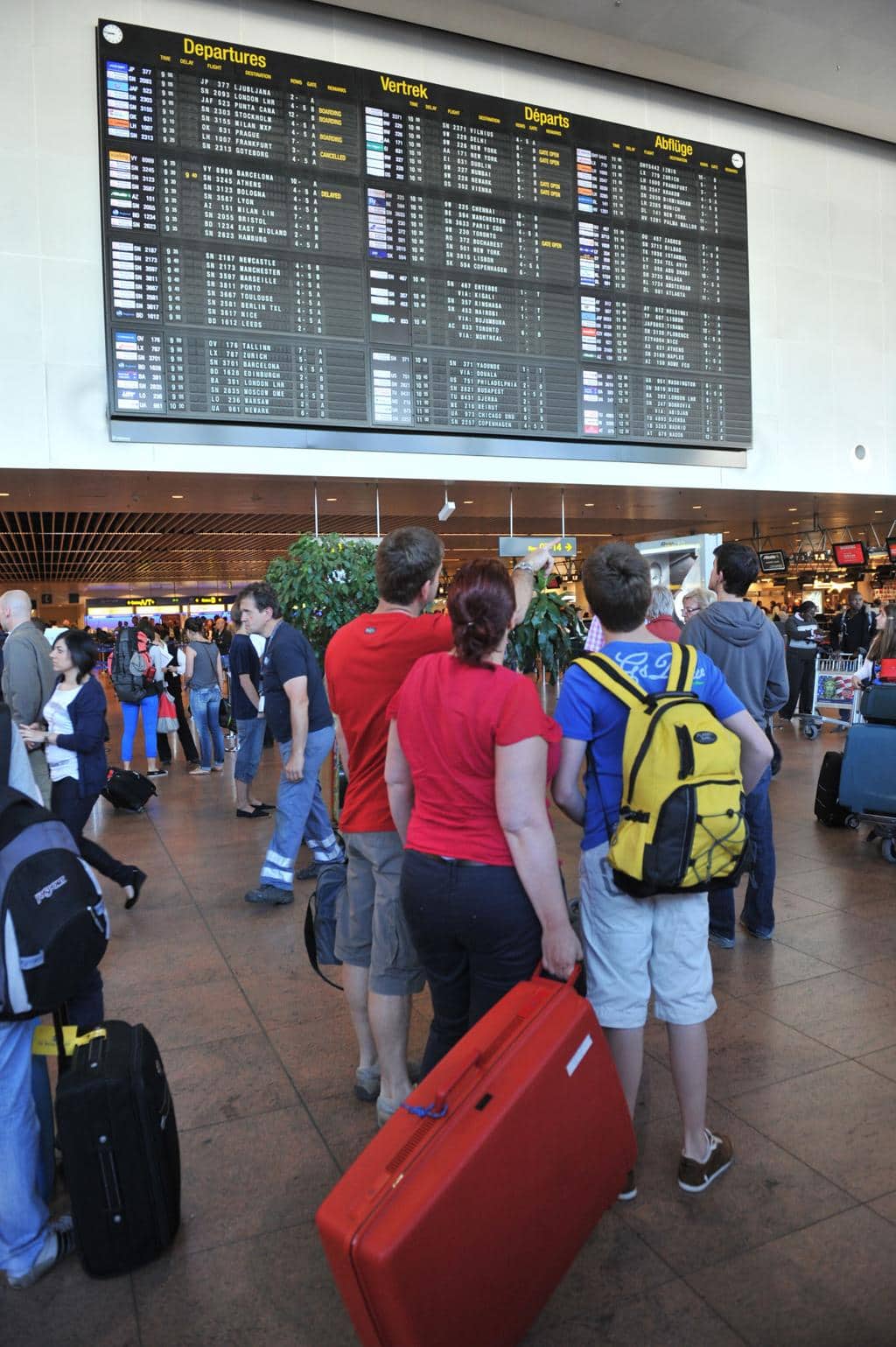
Madrid: After more than thirteen years of legislative deadlock, the European Union has finally agreed to overhaul the rules that govern what airlines owe their passengers when journeys go wrong. The political agreement struck between the Council and the European Parliament on 15 June 2026 closes one of the longest-running standoffs in EU consumer law, a file first reopened in 2013 and repeatedly stranded by disagreement between member states and lawmakers over where to set the threshold for compensation.

The headline result is that the threshold did not move. Passengers will still be entitled to compensation when a flight is delayed by three hours or more, or is cancelled, with payouts ranging from 250 to 600 euros depending on distance. Airlines and several governments had pushed to lift the trigger to four or even five hours, arguing that a higher bar would let carriers absorb minor disruptions without cancelling flights outright. Parliament refused, and the existing levels established under the original Regulation 261 survive intact. For a file that many observers expected to collapse again in early June, holding the line counts as the central political outcome.

What changes is the machinery around the entitlement. Under the new rules, an airline must inform passengers electronically within 96 hours of arrival whenever a delay could qualify for compensation, and must spell out clearly how to file a claim. Carriers will have to acknowledge a claim immediately and then respond within 30 days, either paying out or providing a documented justification for refusal. The reform attacks a long-standing complaint that the right to compensation existed on paper but was smothered in practice by silence, attrition and complex forms that deterred all but the most persistent travellers.

The agreement also introduces several protections that did not exist before. The practice of denying boarding to a passenger who skipped an earlier leg of a ticket, the so-called no-show clause, will be prohibited. Air fares will have to be displayed by default with an allowance for one piece of hand baggage included, so that travellers can compare prices across airlines without discovering hidden surcharges deeper in the booking process. Families gain the right to sit together at no extra cost, and passengers with reduced mobility receive stronger guarantees of assistance.

The reform is not a clean win for consumer advocates on every point. Critics note that the deal trims some entitlements at the margins and that the 96-hour notification window still places the initial burden on airlines that have historically been slow to volunteer information. Carriers, for their part, warn that the tighter claims deadlines will raise administrative costs that ultimately surface in ticket prices. Whether the new transparency rules genuinely simplify comparison shopping or merely shift the location of fees will depend on how national enforcement bodies police them.

The timeline now runs through the summer. The text still requires formal approval, with a plenary vote expected in July, after which the rules would apply twelve months after entry into force. That lag gives airlines a year to rebuild their claims systems and repricing displays, and gives enforcement authorities time to prepare. For the roughly one billion passengers who pass through EU airports each year, the practical test will not be the legal text but whether a delayed traveller in 2027 finds it meaningfully easier to be paid what the law already promised.