Brussels: A shopping habit that funnels billions of small packages into European homes has lost its biggest tax advantage. On 1 July 2026 the European Union abolished the rule that allowed consignments worth up to €150 to enter the bloc free of customs duty, and put a flat parcel duty of €3 in its place.
The change ends the so-called de minimis relief, a decades-old convenience that predates the rise of platforms such as Shein and Temu. The Commission counted more than four billion low-value parcels crossing the EU border in a single year, the overwhelming majority shipped from China, and argued that the volume had outgrown the logic of the exemption.
Why the exemption ended
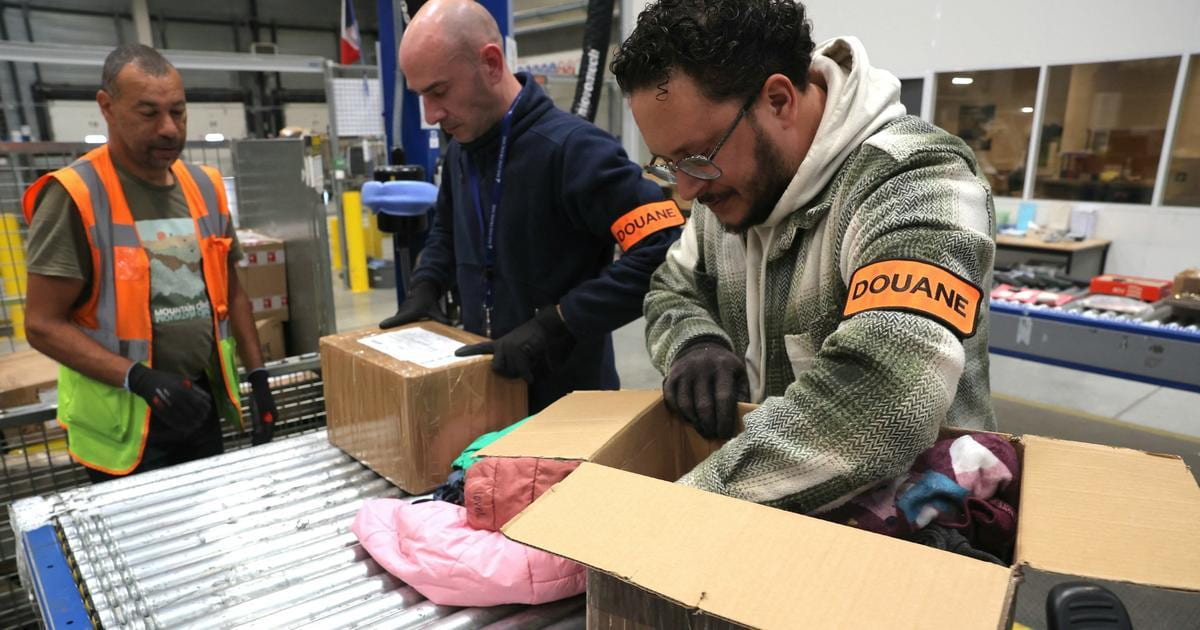
Two worries drove the decision. The first concerns safety. Customs officers report that many cheap consignments carry goods that fail EU product rules, from toys with loose parts to electronics that ignore electrical standards. The second concerns fairness. A European retailer that sews a shirt or assembles a gadget inside the single market pays duty on its inputs, while a distant seller shipping the finished item direct to a customer paid nothing.
The Commission set out its reasoning in the announcement of the measure, framing the levy as a way to protect consumers and restore a level playing field rather than to raise revenue.
What changes for sellers
The mechanics matter. The €3 charge applies per item, based on tariff classification, not on the number of pieces in a box. It falls on the business side of the transaction, meaning the seller, the importer, or their customs representative, and not on the shopper who opens the door to the courier. In principle a buyer sees no new line on the receipt, though few expect platforms to absorb the cost quietly.
The duty is temporary. Brussels designed it as a bridge that runs until 1 July 2028, when a broader overhaul of the Customs Union takes effect and hands collection duties to a new central authority. Officials describe the flat rate as a rough instrument, chosen for speed because a full value-based system could not be built in time.
Member states pushed for the move for months. Finance ministers agreed the €3 figure earlier in the year, and several capitals had already threatened national fees when the talks stalled. France and others wanted the charge higher, while a handful of smaller states worried about the burden on postal operators. The compromise reflects that tension.
The commercial stakes are large. Ultra-cheap marketplaces built their European growth on the ability to ship single items at prices that undercut local shops, and the exemption quietly subsidised that model. A €3 charge will not sink a €40 order, but it bites hardest on the sub-€10 impulse purchases that define the category. Analysts expect sellers to bundle orders, raise minimum-basket thresholds, or move stock into EU warehouses to spread the cost.
Enforcement is the open question. Customs systems already strain under the parcel flood, and a per-item duty demands accurate declarations from sellers with every incentive to undervalue their goods. The Commission is betting that new data-sharing tools and the coming customs authority can close the gap. Until then, the €3 parcel duty stands as both a fiscal fix and a test of whether Europe can police the smallest corners of its vast import trade.