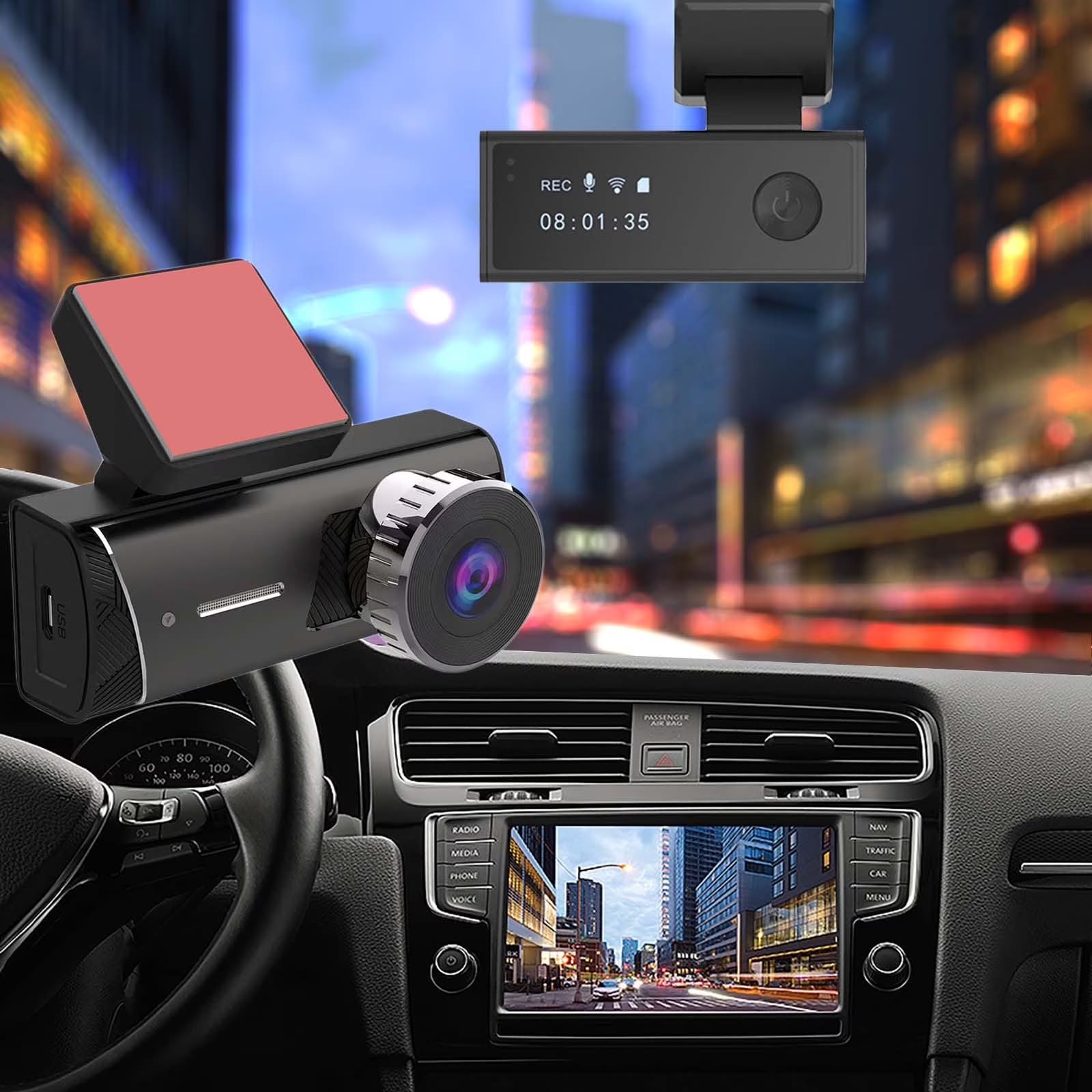
Brussels: From 7 July, every new car and van built for the European market carries a small infrared camera trained not on the road but on the person driving. The second phase of the European Union’s General Safety Regulation turned that lens into law, making advanced car safety technology a standard fitting rather than a premium extra across the bloc.
The shift matters because it moves Europe from encouraging manufacturers to protect occupants toward compelling them to prevent crashes in the first place. Regulators built the rules on a simple premise: most collisions still trace back to a moment of human inattention, and cheap sensors can now catch that moment before it becomes fatal.
What the new rules require
The headline feature is a driver drowsiness and distraction warning system. Cameras pointed at the driver read eye movement, blink rate and head position, then sound an alert when attention drifts. The system flags a driver who looks away from the road for 3.5 seconds above 50 kilometres per hour, or for six seconds at lower speeds, according to the technical thresholds set out in the regulation.
Automatic emergency braking now has to detect cyclists and pedestrians, not just the vehicle ahead. Manufacturers must also widen areas of safety glass, improve the driver’s forward field of vision, and meet tougher testing standards for worn tyres. Each requirement targets a specific slice of the casualty figures that European road authorities publish every year.
The Commission stresses that the driver-monitoring cameras process images inside the vehicle and do not record or transmit footage, a design choice meant to blunt the privacy objections that greeted the proposal. Full details of the measures sit in the Commission’s own announcement, Safer cars, safer roads.
The evidence behind the mandate
Safety analysts expect the package to save more than 25,000 lives and prevent at least 140,000 serious injuries over the coming years. Those projections rest on the assumption that fleets turn over gradually, so the benefit accumulates as older cars leave the road and compliant models replace them.
The regulation builds directly on the first phase from 2024, which introduced intelligent speed assistance. That earlier system nudges drivers toward the limit rather than forcing a slowdown, and the same restraint shapes the new distraction warnings. Europe corrects the driver; it does not seize control of the car.
Critics warn that a camera watching every driver normalises constant monitoring, and privacy advocates question how future software updates might repurpose the hardware. Supporters counter that the toll of road deaths justifies the intrusion, and that a local-only camera differs sharply from surveillance that leaves the vehicle.
Consumer groups also welcome the move for a quieter reason. Advanced driver aids once sat behind expensive trim levels, so wealthier buyers enjoyed protection that families on tighter budgets could not reach. Making the technology mandatory strips out that divide and turns a luxury feature into a right that every new buyer gets by default.
Carmakers, for their part, have spent years preparing. Most already fit versions of these systems to meet crash-test ratings that reward strong safety scores, so the regulation formalises a direction the industry had chosen for commercial reasons. The harder question is whether drivers learn to trust the alerts rather than switch them off at the first irritated beep.
The deeper significance lies in precedent. By mandating detection and warning technology on affordable family cars, the Union has set a floor for car safety that carmakers selling into Europe cannot ignore. Manufacturers rarely build one specification for Europe and another for the rest of the world, so the rules drafted in Brussels will quietly shape vehicles far beyond the continent’s borders.