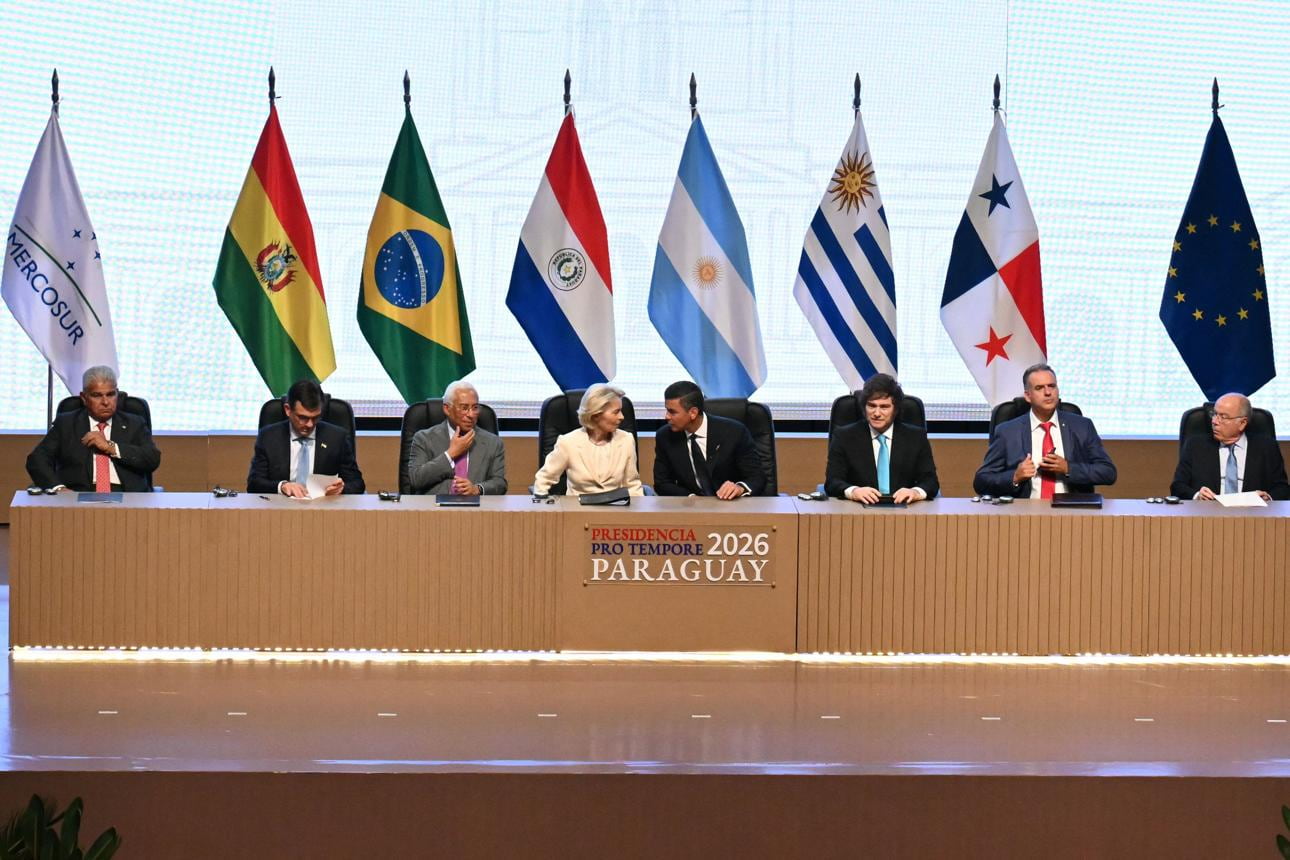
Berlin: Germany wants to become the first European Union country to ratify the Mercosur deal, a signal of how far Berlin’s trade instincts have shifted as the bloc hunts for new markets. Foreign Minister Johann Wadephul made the pledge at the Mercosur summit in Asuncion, promising national ratification within a month and putting Germany at the front of a queue that most of Europe has yet to join.
The agreement links the EU to Argentina, Brazil, Paraguay and Uruguay in one of the largest trade zones the bloc has ever built. The Council cleared the signature on 9 January 2026, and the two sides signed the pact in January. The Mercosur deal now moves into the slow and contested phase of ratification.
A deal split to move faster
To speed things along, negotiators split the pact into two tracks. The interim trade agreement covers tariffs and market access, areas where the EU holds exclusive competence, so it needs only the Council and the Parliament. It began to apply provisionally from 1 May 2026. The broader partnership agreement touches national powers and therefore needs every member state’s parliament, a process that can drag on for years.
That structure explains Germany’s eagerness. Berlin’s carmakers, chemical firms and machinery exporters stand to gain from lower South American tariffs, and a fast ratification lets the government show that Europe can still close big deals. The Mercosur bloc, for its part, moved quickly, with all four founding members completing their own ratifications by March.
Opposition and legal doubt
Not everyone shares Berlin’s enthusiasm. France has led resistance for years, backed by farmers who fear a wave of cheaper beef, poultry and sugar produced under looser environmental and animal-welfare rules. Farm unions across several capitals warn that the deal exposes European producers to competition they cannot match on cost.
The legal ground is shaky too. In January the Parliament voted, by a narrow 334 to 324, to ask the European Court of Justice whether the interim agreement may apply before full ratification. A ruling against provisional application would upend the careful sequencing that let trade start flowing in May.
The politics cut in more than one direction. Supporters cast the deal as a strategic hedge, a way to secure critical minerals, food and export markets while the United States turns protectionist and China guards its own supply chains. Opponents see a bargain struck at the expense of Europe’s own farmers and its climate credibility.
History adds weight to the moment. Negotiators took a quarter of a century to reach this text, through repeated collapses over farm access and environmental clauses. That long gestation makes the ratification fight feel less like a formality and more like the real battleground, where a deal two decades in the making could still stall at the last national vote.
Germany’s sprint will test whether momentum can carry the pact through 27 national debates. If Berlin ratifies within weeks, it hands Brussels a powerful example and pressures wavering capitals to follow. If France and its allies dig in, the Mercosur deal could spend years half-alive, its trade pillar running while its political core waits for a verdict that may never fully arrive.