August 10, 2026
LATEST
Five Joint Defence Projects Launch Europe’s Military ShieldElectrification Plan Aims to Make Europe First Electro ContinentHorizon Europe Budget Fight Heats Up as Ministers Push BackGoogle’s DMA Fine Sets Off a Transatlantic Tariff ClashTwenty New University Alliances Join Erasmus for Two YearsForeign Subsidies Case Puts Temu in the EU’s SightsVan Tachographs Now Mandatory for Cross-Border FleetsStress Test Exposes Gaps in Euro Area Bank DefencesEurope Bets on a Gulf Partnership Before the Riyadh SummitWhy the Atlantic Route Now Runs Through MauritaniaKyiv and Chisinau Advance as the EU Accession Talks Gather PaceEurope’s New Digital Border System Beds In After a Rocky RolloutBrussels Mounts Its Largest Wildfire Response as the Fires SpreadRetail Spending Slipped in June, Wrong-Footing EconomistsHeatwave Warning Puts Brussels on Alert for Vulnerable GroupsKANAL’s 230 Million Euro Museum Sets a November Opening DatePension Savings Rules Get a Reset as the EU Scraps the 1% CapMedicine Shortages Move to the Heart of Europe’s Pharma ResetJapan Becomes Europe’s Closest Security Partner in AsiaCan Europe’s New Zealand Deal Anchor It in the Pacific?Five Joint Defence Projects Launch Europe’s Military ShieldElectrification Plan Aims to Make Europe First Electro ContinentHorizon Europe Budget Fight Heats Up as Ministers Push BackGoogle’s DMA Fine Sets Off a Transatlantic Tariff ClashTwenty New University Alliances Join Erasmus for Two YearsForeign Subsidies Case Puts Temu in the EU’s SightsVan Tachographs Now Mandatory for Cross-Border FleetsStress Test Exposes Gaps in Euro Area Bank DefencesEurope Bets on a Gulf Partnership Before the Riyadh SummitWhy the Atlantic Route Now Runs Through MauritaniaKyiv and Chisinau Advance as the EU Accession Talks Gather PaceEurope’s New Digital Border System Beds In After a Rocky RolloutBrussels Mounts Its Largest Wildfire Response as the Fires SpreadRetail Spending Slipped in June, Wrong-Footing EconomistsHeatwave Warning Puts Brussels on Alert for Vulnerable GroupsKANAL’s 230 Million Euro Museum Sets a November Opening DatePension Savings Rules Get a Reset as the EU Scraps the 1% CapMedicine Shortages Move to the Heart of Europe’s Pharma ResetJapan Becomes Europe’s Closest Security Partner in AsiaCan Europe’s New Zealand Deal Anchor It in the Pacific?
August 10, 2026
LATEST
Five Joint Defence Projects Launch Europe’s Military ShieldElectrification Plan Aims to Make Europe First Electro ContinentHorizon Europe Budget Fight Heats Up as Ministers Push BackGoogle’s DMA Fine Sets Off a Transatlantic Tariff ClashTwenty New University Alliances Join Erasmus for Two YearsForeign Subsidies Case Puts Temu in the EU’s SightsVan Tachographs Now Mandatory for Cross-Border FleetsStress Test Exposes Gaps in Euro Area Bank DefencesEurope Bets on a Gulf Partnership Before the Riyadh SummitWhy the Atlantic Route Now Runs Through MauritaniaKyiv and Chisinau Advance as the EU Accession Talks Gather PaceEurope’s New Digital Border System Beds In After a Rocky RolloutBrussels Mounts Its Largest Wildfire Response as the Fires SpreadRetail Spending Slipped in June, Wrong-Footing EconomistsHeatwave Warning Puts Brussels on Alert for Vulnerable GroupsKANAL’s 230 Million Euro Museum Sets a November Opening DatePension Savings Rules Get a Reset as the EU Scraps the 1% CapMedicine Shortages Move to the Heart of Europe’s Pharma ResetJapan Becomes Europe’s Closest Security Partner in AsiaCan Europe’s New Zealand Deal Anchor It in the Pacific?Five Joint Defence Projects Launch Europe’s Military ShieldElectrification Plan Aims to Make Europe First Electro ContinentHorizon Europe Budget Fight Heats Up as Ministers Push BackGoogle’s DMA Fine Sets Off a Transatlantic Tariff ClashTwenty New University Alliances Join Erasmus for Two YearsForeign Subsidies Case Puts Temu in the EU’s SightsVan Tachographs Now Mandatory for Cross-Border FleetsStress Test Exposes Gaps in Euro Area Bank DefencesEurope Bets on a Gulf Partnership Before the Riyadh SummitWhy the Atlantic Route Now Runs Through MauritaniaKyiv and Chisinau Advance as the EU Accession Talks Gather PaceEurope’s New Digital Border System Beds In After a Rocky RolloutBrussels Mounts Its Largest Wildfire Response as the Fires SpreadRetail Spending Slipped in June, Wrong-Footing EconomistsHeatwave Warning Puts Brussels on Alert for Vulnerable GroupsKANAL’s 230 Million Euro Museum Sets a November Opening DatePension Savings Rules Get a Reset as the EU Scraps the 1% CapMedicine Shortages Move to the Heart of Europe’s Pharma ResetJapan Becomes Europe’s Closest Security Partner in AsiaCan Europe’s New Zealand Deal Anchor It in the Pacific?

Europe’s Biotech Act Bets Big on Faster Clinical Trials

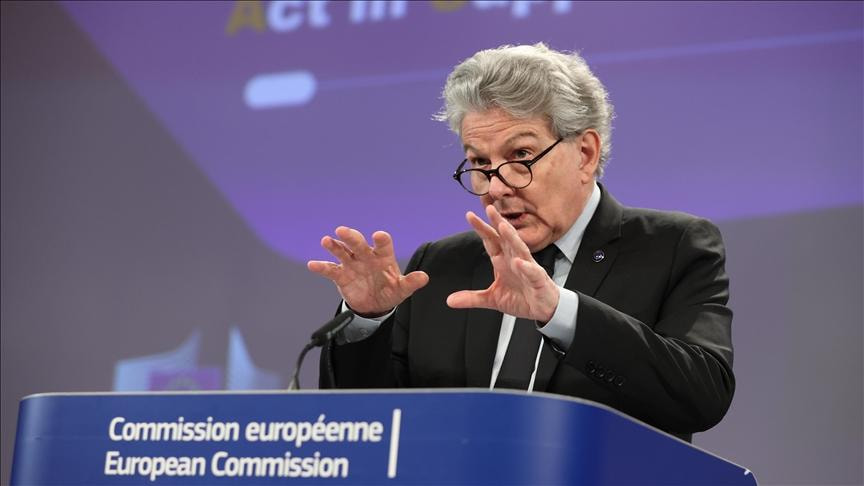
Brussels: The Biotech Act has quietly become the most consequential test of whether Europe can turn its scientific strength into commercial muscle. Proposed by the European Commission on 16 December 2025, the law sits at the centre of the wider Strategy for European Life Sciences, which aims to make the Union the most attractive place in the world for life sciences by 2030.

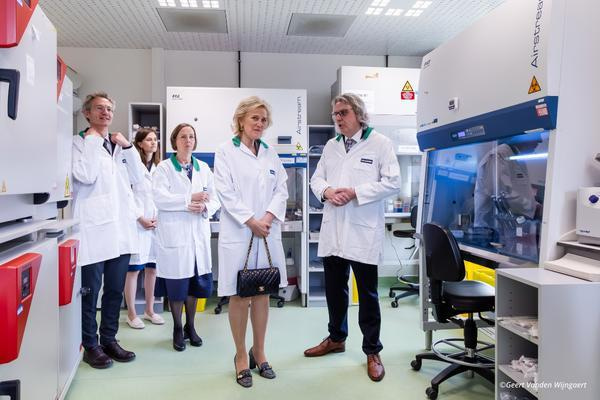
The ambition is concrete rather than rhetorical. European laboratories publish world-class research, yet founders routinely raise their later funding rounds in the United States and list their companies there too. The Biotech Act tries to close that gap by attacking the delays and paperwork that push innovators offshore.

What the law actually changes

The clearest wins involve time. For multinational clinical trials, the Commission wants end-to-end authorisation to fall from 75 days to 47 days when regulators need no further information. Assessment periods for substantial modifications would shrink from 64 days to 33 days on the same basis. For a small company burning cash while it waits, weeks matter as much as money.

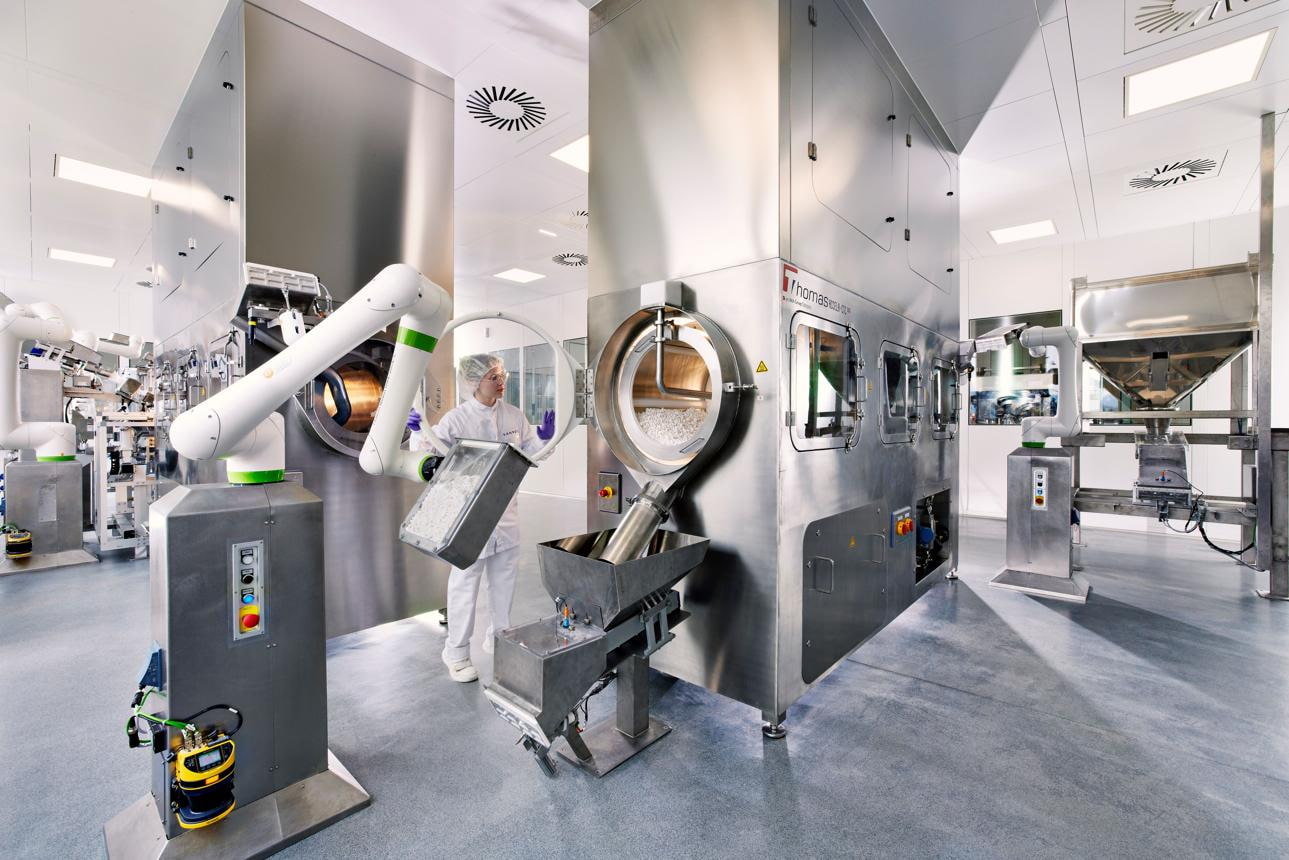
The Act also creates strategic project designations that unlock fast-track permitting and extra funding, and it offers twelve-month extensions to supplementary protection certificates for qualifying biotech and advanced therapy medicines. That last provision rewards firms that keep manufacturing and development inside Europe rather than exporting both.

Money arrives alongside the rulebook. On the day it published the proposal, the Commission joined the European Investment Bank Group to launch BioTechEU, which aims to mobilise ten billion euros in public and private investment across 2026 and 2027. The figure signals that Brussels sees financing, not just regulation, as the binding constraint.

Why the timing counts

The proposal now moves through the Council and the Parliament, and member states began weighing it in earnest over the summer. Industry groups broadly welcome the direction while warning that a second Biotech Act, expected late in 2026 and focused on industrial biotechnology and biomanufacturing, could muddy the picture if its scope overlaps with the first.

Sceptics raise a fair point. Faster trials and longer protection help developers, but they do little on their own to fix fragmented national health systems, uneven reimbursement, or the shortage of late-stage capital that scale-ups need. A shorter authorisation clock means little if a promising therapy still cannot find European investors willing to fund a pivotal study.

Supporters counter that speed compounds. Each saved week lowers the cost of capital, and a predictable timeline makes Europe easier to plan around than a patchwork of national quirks. If the Union can pair the Biotech Act with deeper capital markets, the argument runs, it finally gives its scientists a reason to build at home.

The stakes reach beyond any single sector. Biotechnology underpins new medicines, greener chemicals, and more resilient food systems, so a stronger European base carries strategic weight in a world where supply chains have become instruments of pressure. The Commission frames the law partly as economic security, not merely industrial policy.

For now the Biotech Act remains a proposal, and its final shape will depend on the horse-trading ahead. The direction, though, is unmistakable. Europe has decided that being good at science is no longer enough, and it wants the factories, the trials, and the payoffs to stay on the continent that paid for the research.