August 9, 2026
LATEST
New EU Gas Market Rules Take Effect With Consumer SafeguardsDeforestation Regulation Holds Its December Deadline Despite CutsDigital Omnibus Delays Europe’s High-Risk AI Deadline to 2027Europe’s Schools Confront a Widening Basic Skills GapRule of Law Report Finds Progress but Trust Still LagsIRIS2 Gains 66 Satellites as Brussels Signs the Rollout DealNature Restoration Plans Come Due as Member States Race a DeadlineECB Rates Hold at 2.25 Percent as Frankfurt Waits on the DataEU Budget Talks Turn to Cohesion as Ireland Takes OverWildfire Response Stretches Europe’s Emergency Fleet ThinCan Europe’s Quantum Plan Match Its Big Ambitions?Armenia Edges West as Moscow’s Grip Slips AwayEurope Inherits the World’s Aid Bill It Cannot Fully PayAir Passenger Rights Get Their First Overhaul in Two DecadesErasmus Opens a 5 Billion Euro Round for Skills and MobilityCeuta Crisis Pushes the EU Toward Faster Migrant ReturnsBulky Parcels Face a Packaging Crackdown From August 12Can Europe Build Its Drone Wall Before 2030 Arrives?Indonesia’s Trade Deal With Europe Nears Its Final SignatureEurope Leans on Beijing to Keep Climate Talks Alive Before AntalyaNew EU Gas Market Rules Take Effect With Consumer SafeguardsDeforestation Regulation Holds Its December Deadline Despite CutsDigital Omnibus Delays Europe’s High-Risk AI Deadline to 2027Europe’s Schools Confront a Widening Basic Skills GapRule of Law Report Finds Progress but Trust Still LagsIRIS2 Gains 66 Satellites as Brussels Signs the Rollout DealNature Restoration Plans Come Due as Member States Race a DeadlineECB Rates Hold at 2.25 Percent as Frankfurt Waits on the DataEU Budget Talks Turn to Cohesion as Ireland Takes OverWildfire Response Stretches Europe’s Emergency Fleet ThinCan Europe’s Quantum Plan Match Its Big Ambitions?Armenia Edges West as Moscow’s Grip Slips AwayEurope Inherits the World’s Aid Bill It Cannot Fully PayAir Passenger Rights Get Their First Overhaul in Two DecadesErasmus Opens a 5 Billion Euro Round for Skills and MobilityCeuta Crisis Pushes the EU Toward Faster Migrant ReturnsBulky Parcels Face a Packaging Crackdown From August 12Can Europe Build Its Drone Wall Before 2030 Arrives?Indonesia’s Trade Deal With Europe Nears Its Final SignatureEurope Leans on Beijing to Keep Climate Talks Alive Before Antalya
August 9, 2026
LATEST
New EU Gas Market Rules Take Effect With Consumer SafeguardsDeforestation Regulation Holds Its December Deadline Despite CutsDigital Omnibus Delays Europe’s High-Risk AI Deadline to 2027Europe’s Schools Confront a Widening Basic Skills GapRule of Law Report Finds Progress but Trust Still LagsIRIS2 Gains 66 Satellites as Brussels Signs the Rollout DealNature Restoration Plans Come Due as Member States Race a DeadlineECB Rates Hold at 2.25 Percent as Frankfurt Waits on the DataEU Budget Talks Turn to Cohesion as Ireland Takes OverWildfire Response Stretches Europe’s Emergency Fleet ThinCan Europe’s Quantum Plan Match Its Big Ambitions?Armenia Edges West as Moscow’s Grip Slips AwayEurope Inherits the World’s Aid Bill It Cannot Fully PayAir Passenger Rights Get Their First Overhaul in Two DecadesErasmus Opens a 5 Billion Euro Round for Skills and MobilityCeuta Crisis Pushes the EU Toward Faster Migrant ReturnsBulky Parcels Face a Packaging Crackdown From August 12Can Europe Build Its Drone Wall Before 2030 Arrives?Indonesia’s Trade Deal With Europe Nears Its Final SignatureEurope Leans on Beijing to Keep Climate Talks Alive Before AntalyaNew EU Gas Market Rules Take Effect With Consumer SafeguardsDeforestation Regulation Holds Its December Deadline Despite CutsDigital Omnibus Delays Europe’s High-Risk AI Deadline to 2027Europe’s Schools Confront a Widening Basic Skills GapRule of Law Report Finds Progress but Trust Still LagsIRIS2 Gains 66 Satellites as Brussels Signs the Rollout DealNature Restoration Plans Come Due as Member States Race a DeadlineECB Rates Hold at 2.25 Percent as Frankfurt Waits on the DataEU Budget Talks Turn to Cohesion as Ireland Takes OverWildfire Response Stretches Europe’s Emergency Fleet ThinCan Europe’s Quantum Plan Match Its Big Ambitions?Armenia Edges West as Moscow’s Grip Slips AwayEurope Inherits the World’s Aid Bill It Cannot Fully PayAir Passenger Rights Get Their First Overhaul in Two DecadesErasmus Opens a 5 Billion Euro Round for Skills and MobilityCeuta Crisis Pushes the EU Toward Faster Migrant ReturnsBulky Parcels Face a Packaging Crackdown From August 12Can Europe Build Its Drone Wall Before 2030 Arrives?Indonesia’s Trade Deal With Europe Nears Its Final SignatureEurope Leans on Beijing to Keep Climate Talks Alive Before Antalya

One Ticket Across Europe Tests The Railways That Resist It

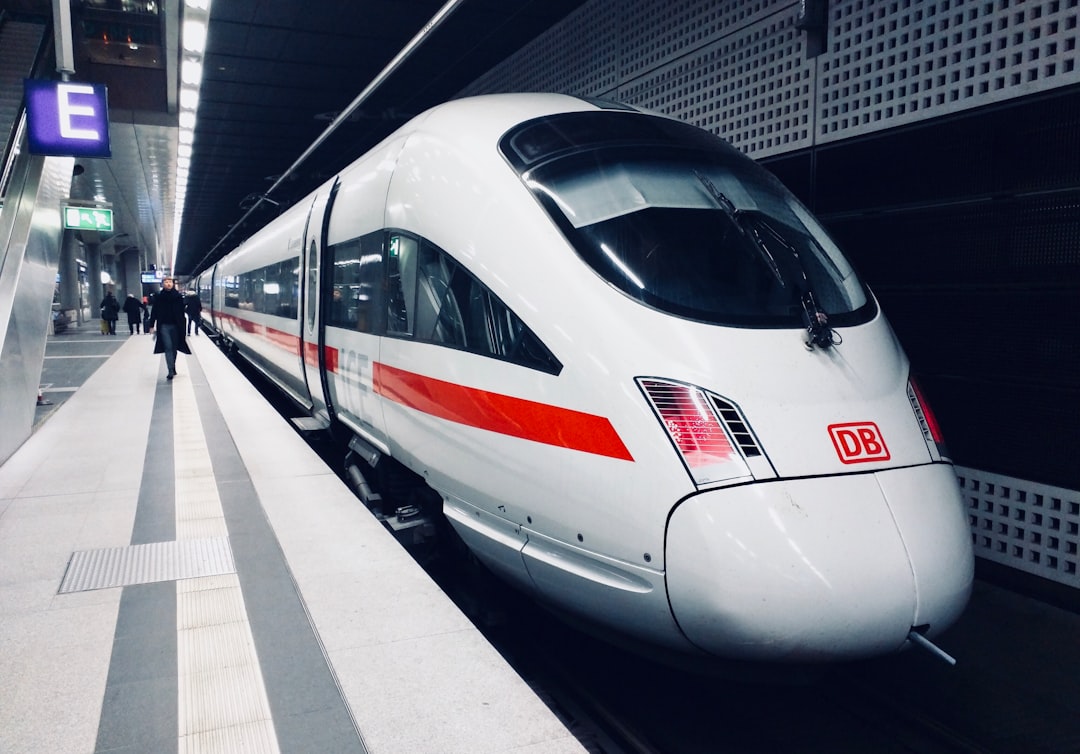
Vienna: Anyone who has tried to plan a cross-border train journey through Europe knows the peculiar frustration of it. The trains themselves run; the booking systems do not talk to each other. A traveller heading from one capital to another through a third country can find themselves juggling separate tickets on separate websites, with no protection if a delay on the first leg causes them to miss the second. The European Commission’s new passenger package, unveiled in May, is an attempt to fix the part of rail travel that has nothing to do with track and everything to do with software.

The proposal bundles three regulations aimed at the same goal: letting passengers buy a single ticket for a multi-leg journey across different operators, and keeping their rights intact when something goes wrong in the middle. If a connection is missed because an earlier train ran late, the passenger should not be left stranded and out of pocket simply because two companies sold the journey separately. On paper it is the kind of consumer-friendly tidying that the single market was supposed to deliver decades ago, and the political appeal of seamless green travel is obvious at a moment when the bloc is trying to coax people out of short-haul flights.

The railways themselves are not applauding. The industry’s main lobby has dismissed the plan as “unjustified regulatory interventionism”, warning that mandatory rules forcing operators to distribute one another’s tickets could push prices up rather than down and discourage the very investment the Commission wants to see. Their argument is not merely defensive. Distribution is where railways make and protect their margins, and compelling a national operator to sell a competitor’s seats, and to shoulder liability for delays it did not cause, redistributes both revenue and risk in ways the incumbents find threatening.

Beneath that commercial dispute sits a deeper structural problem. Europe’s railways grew up as national monopolies, each with its own ticketing logic, pricing culture and commercial incentives. Stitching them into a single passenger experience means overriding decades of accumulated fragmentation, and the operators that benefit from that fragmentation have little reason to dismantle it voluntarily. This is precisely why the Commission reaches for regulation: left to the market, the incentives point toward walled gardens, not interoperability. The question is whether Brussels can mandate cooperation without smothering the competition that was supposed to make rail cheaper in the first place.

The timing sharpens the stakes. A separate regulation on rail infrastructure capacity takes effect this month, reshaping how cross-border operators secure paths across national networks, and the two reforms together amount to the most serious push in years to make the European railway behave like a continental system rather than a patchwork of domestic ones. If the booking rules succeed, they could do for trains what budget airlines and aggregator websites did for flying: collapse the friction that keeps casual travellers away. If they fail, they risk loading new obligations onto operators while delivering little to passengers.

There is a credible worry that mandated distribution, poorly designed, ends up raising fares to cover the new liabilities, the opposite of what travellers were promised. Yet the status quo is hard to defend. The current arrangement protects operators from the consequences of their own incompatibility and quietly transfers the cost of that incompatibility onto the passenger, who absorbs the missed connections and the lost money. Some rebalancing is overdue, even if the railways are right that a clumsy rulebook could do harm.

The package now enters the slow machinery of negotiation between Parliament and member states, where industry objections will be weighed against a public that increasingly expects to book a train as easily as a flight. The outcome will say a good deal about whether Europe’s much-discussed rail revival is a genuine project or a slogan that stops at the ticket counter. For now, the trains are ready to cross the continent. It is the tickets that remain stuck at the border.